Understanding Teacup Poodle Breeders: Key Insights


Animal Species Profile
Prelude to the Animal Species
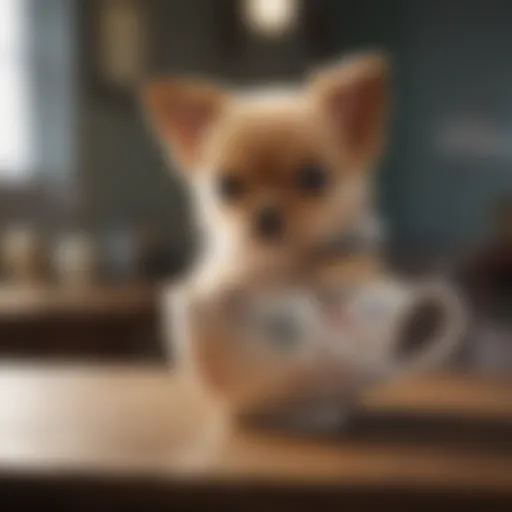
The teacup poodle is a delightful and diminutive member of the poodle family, a breed often celebrated for its intelligence and trainability. While traditional poodles come in three recognized sizes—standard, miniature, and toy—the teacup variation has emerged as a petite companion that captures the hearts of many prospective dog owners. Bred to be small and affectionate, these little dogs often weigh under five pounds and stand around nine to thirteen inches tall.
Physical Characteristics and Appearance
Teacup poodles possess the signature curly coat of all poodles, which can come in various colors, including white, black, apricot, and chocolate. Their petite stature is complemented by expressive dark eyes, a long snout, and ears that frame their face beautifully. These dogs also boast a lively and alert demeanor, making them not just cute, but also engaging companions. The unique physical attributes make them appealing to those seeking a portable pet.
Natural Habitat and Distribution
Being a domesticated breed, teacup poodles do not have a natural habitat in the wild like their larger counterparts. Instead, they thrive in human homes, where they are treated as family members. Originating from the standard poodle, which has German and French roots, teacup poodles have become popular worldwide due to their adaptability to various living conditions, whether in apartments or houses with yards.
Behavior and Social Interactions
As a breed, teacup poodles are known for their lively personalities. They often show a keen desire to interact with humans and can be very affectionate towards their owners. With high intelligence, they can pick up on commands quickly, but they also require socialization and training to mitigate any behavioral concerns. Their small size does not hinder their ability to engage actively with their environment; rather, it adds to their charm as they explore their surroundings with curiosity and playfulness.
"Teacup poodles thrive on companionship and tune into the emotions of their owners, making them sensitive and caring pets."
Summary
In getting to know the teacup poodle, one can see that this breed is much more than just a tiny companion. From their engaging behavior to their unique appeal, teacup poodles bring a wealth of joy to households. However, prospective owners should keep in mind that, like any breed, they require commitment and understanding to foster a healthy and fulfilling relationship.
Preamble to Teacup Poodles
Teacup Poodles have emerged as a popular choice for dog lovers around the globe. Despite their small size, these pint-sized pooches pack quite a punch in terms of personality and charm. This section aims to provide a solid grounding on Teacup Poodles, emphasizing key aspects such as their growing appeal, the defining characteristics of the teacup size, and considerations for potential owners.
The Rise in Popularity of Teacup Poodles
In recent years, the trend of keeping smaller dog breeds has surged. Teacup Poodles, in particular, have burgeoned in popularity for various reasons. One major factor is their adaptability. Living in smaller spaces, such as apartments or condos, can be a tight squeeze, but these little bundles of joy fit right in without fuss. A smaller dog often means less exercise is required, which aligns well with the busy lifestyles many people find themselves leading today.
Furthermore, Teacup Poodles offer a delightful mix of intelligence and affection. Their endearing nature, coupled with a high level of trainability, makes them the apple of many pet owners' eyes. They have that uncanny ability to form a loving bond with humans, making them a desirable addition to families and individuals alike. However, it is crucial to remember that their tiny stature can lead to specific health issues, which brings us to the next point.
"Owning a Teacup Poodle isn't just about having a cute pet; it's about understanding the unique challenges that come with their size."
As their popularity soars, it becomes critical for prospective owners to understand the role of ethical breeding practices. Not all breeders are created equal, and it’s vital to sift through the noise to find a responsible one. This ensures that the Teacup Poodles are not only adorable but also healthy and well-adjusted.
Defining the Teacup Size
The term 'teacup' creates a vivid image, but it is important to grasp what it truly means in relation to Poodles. Generally, Teacup Poodles are those who weigh under 4 pounds when fully grown. This is considerably smaller than their Standard counterparts, who can tip the scales at 45-70 pounds.
The size classification maintains stringent boundaries, as breeding Poodles to achieve such a diminutive size can lead to health complications. From the outset, miniaturizing a breed requires precise breeding strategies and a careful eye on health patterns. Keeping a close watch on the lineage of these pups ensures that they maintain not only their cuteness but also their overall well-being.
In summary, the Teacup Poodle size, while appealing, is much more than just a measurement. It's encapsulated in the breeder's responsibility to produce healthy dogs while still catering to the growing demands of pet owners seeking compact companionship. Thus, understanding what defines a Teacup Poodle isn't just an academic exercise; it's a crucial stepping stone for anyone considering bringing one into their home.
Understanding Breeders
When delving into the realm of teacup poodles, it's essential to grasp the concept of breeders. This section will examine various facets of breeders, shedding light on their pivotal role in the pet adoption process. Understanding breeders not only clarifies how dogs come to be but also outlines the significant impact they have on a dog's future health and wellbeing.
Breeders are not just individuals who produce puppies; they are critical stakeholders in the journey of dog ownership. The importance of considering who is behind the curtain when it comes to a pet's lineage cannot be overstated. A knowledgeable breeder can set the stage for a healthy and well-adjusted dog, while a careless or unethical one can contribute to a host of problems that might plague the dog and the owner alike.
Who Are Dog Breeders?
Simply put, dog breeders are people who breed dogs, whether for show, companionship, or both. However, not all breeders are cut from the same cloth. They can range from professional breeders who are registered with reputable clubs to individuals operating on a casual basis, often referred to as hobby breeders. The former tend to adhere to certain standards and guidelines, while the latter might not always be cognizant of the intricacies involved in responsible dog breeding.


While some breeders focus exclusively on producing teacup poodles, others breed a variety of breeds and may have varying degrees of experience and expertise. A good breeder will possess in-depth knowledge of Poodles as a whole and recognize the specific nuances that come with breeding the teacup variety.
The motivation behind breeding is equally important. Some breeders may prioritize profit over the welfare of the animals, breeding indiscriminately without consideration for health or temperament. This can lead to serious issues down the line. In contrast, responsible breeders often have a passion for the breed and consider it a calling, investing time and resources into ensuring their dogs are well-cared for and bred ethically.
The Role of a Responsible Breeder
A responsible breeder plays a vital role in the pet ownership journey. They don’t just produce puppies; they are advocates for the breed and its future. Here’s a closer look at what sets a responsible breeder apart:
- Health Screening: They conduct thorough health tests for common genetic issues associated with teacup poodles, such as patellar luxation or heart disease.
- Socialization: Responsible breeders understand the importance of early socialization during the crucial development period of puppies. They may expose puppies to different people, sounds, and environments to help them grow into well-rounded adults.
- Education: They often provide guidance and education to potential owners about the breed's needs, including health care, training, and grooming requirements. Informed pet ownership starts at the breeder's level.
- Contract and Support: Many responsible breeders offer a contract that outlines obligations of both parties, ensuring that the puppy is cared for properly. They typically remain available for support after the sale, reflecting their commitment to the dogs they produce.
In summary, recognizing the difference between breeders is crucial when considering a teacup poodle. A responsible breeder prioritizes the health, socialization, and education of their pups, setting them on the right path for life. When it comes to bringing a new fluffy companion into your home, understanding who bred that dog is just as integral as knowing the dog's genetic background.
Ethical Breeding Practices
When it comes to acquiring a Teacup Poodle, it's crucial to shine a spotlight on ethical breeding practices. Ethical breeding isn’t just a buzzword thrown around in animal welfare circles; it’s the lifeblood of responsible pet ownership. From ensuring the health of the dog to educating potential owners, ethical practices help create a framework for breeders and pet owners alike. Many might ask, why should one care about behind-the-scenes breeding practices? The answer is clear—it's the difference between a happy, healthy dog and one burdened with lifelong health issues.
When you consider how small Teacup Poodles are, ethical breeding becomes even more pertinent. These tiny pooches often face significant health risks due to their size, emphasizing the need for breeders to prioritize health and wellbeing. In essence, ethical breeding involves a commitment to health, education, and sustainable breeding methods that create loyal companions instead of merely commodities.
Recognizing a Responsible Breeder
Identifying a responsible breeder can feel akin to searching for a needle in a haystack, especially when there are many breeders vying for attention. A key characteristic of a good breeder is transparent communication. They should be willing to engage in meaningful conversations about their breeding practices. Is the breeder open about where the puppies are raised? Do they encourage visits to their facilities? This transparency is essential. A responsible breeder aims to match their dogs with the right homes, not just make a sale.
You might also want to keep an eye out for some crucial signs:
- Health Certifications: Responsible breeders will provide health documentation for their pups, including any tests related to common Poodle issues.
- Contractual Agreements: A written agreement outlining expectations for care and responsibilities often indicates professionalism.
- Support: Good breeders often remain a resource long after the sale, offering guidance and support to new owners.
"A responsible breeder’s greatest joy comes not from selling puppies, but from placing them in the right homes, where their instincts and personalities can truly shine."
Health Testing and Genetic Screening
Health testing is not a luxury; it’s a necessity in the realm of Teacup Pubbles. The small size that makes these dogs so charming also predisposes them to a slew of health conditions, ranging from heart issues to hip dysplasia. This is where health testing and genetic screening come into play. A responsible breeder should perform comprehensive health evaluations and genetic testing to ensure that the prospective puppies are built to withstand the challenges that often accompany their delicate size.
Consider the ramifications of genetic disorders. For instance, a breeding pair with a family history of certain health issues may pass these traits down to their offspring, leading to medical complications further down the road. Health tests allow breeders to make informed decisions about which dogs to breed, ultimately producing healthier puppies that are less likely to experience problems.
- Common Tests: Look for breeders who conduct tests for patellar luxation, progressive retinal atrophy, and autoimmune disorders.
- Documentation: Always ask for the results of these tests. Legitimate breeders will have no qualms providing such information.
Breeding for Temperament and Conformation
Beyond just health, an ethical breeder also prioritizes temperament and conformation in their breeding practices. Understanding and promoting suitable temperament is not just about breeding for physical appearance; it’s about ensuring that the dog’s personality aligns with the expectations of potential owners. For Teacup Poodles, which are inherently known for their playful and affectionate demeanor, it's vital that breeders assess the temperament of breeding pairs. This practice is essential not just for aesthetics but also for compatibility between the dog and its future family.
Conformation refers to how well the dog adheres to breed standards—specifically, size, coat quality, and overall build. Dogs that deviate too far from recognized standards may exhibit health issues or behavioral anomalies. Here’s why this matters:
- Healthy Interactions: A well-bred Teacup Poodle will generally have a stable temperament, making it a better companion.
- Socialization: Responsible breeders will also focus on the early socialization of their litters, setting them up for successful interactions in a variety of environments.
Selecting the Right Breeder
Choosing the right breeder when looking for a teacup poodle can be the diffrence between a smooth transition into pet ownership and a challenging experience filled with uncertainty. Breeders play a crucial role not just in providing a pet, but also in ensuring your future furry friend is healthy, well-behaved, and a good fit for your lifestyle. An ideal breeder will be more than a mere supplier; they’re guardians of the breed, committed to producing pups that reflect the best attributes of teacup poodles while striving for the overall welfare of the dogs.
One of the prime considerations in selecting the right breeder lies in understanding their approach, philosophy, and the safeguards they have in place to promote ethical breeding practices. It’s essential to sift through the noise and discern what differentiates a responsible breeder from one who may prioritize profit over the health and well-being of their dogs.
Criteria for Evaluating Breeders
There are several criteria that can help you evaluate potential breeders effectively. Here’s a broad overview:
- Experience and Reputation: Research the breeder's background. How long have they been breeding teacup poodles? They should have relevant experience and should have a strong reputation within the community.
- Transparency: A reputable breeder will openly share information about their breeding practices, including parent health tests and their socialization processes for the puppies.
- Health Testing: Inquire about the health clearances for genetic conditions common in teacup poodles. This should include tests for issues like patellar luxation or heart conditions.
- Environment: Visit the breeding facility. It should be clean, well-kept, and free from overpopulation. Healthy, happy dogs should be evident, reflecting the breeder's commitment to welfare.
- Contracts and Guarantees: A responsible breeder typically provides a written contract, which should cover health guarantees and return policies.
- Support and Advice: Look for a breeder who is willing to offer support after adoption, be it training advice or answering ongoing questions.


These touchpoints are designed to help you forge a partnership built on trust and mutual concern for the wellbeing of the dog. Not only will you have a better understanding of what lies ahead, but you'll also feel more confident in your decision-making process.
Questions to Ask Potential Breeders
When engaging with a breeder, it’s vital to come armed with questions. Not only does this demonstrate your serious intention, but it also provides insight into the breeder's practices and priorities. Here are some questions worth asking:
- Can I see the puppies and their parents?
- What health tests have you conducted on the parents?
- What's the socialization process for the puppies?
- How do you ensure the puppies are well-cared for?
- Can you provide references from other pet owners who have purchased puppies from you?
- What is your process should any health issues arise post-adoption?
Inviting open conversation will help you gauge the breeder's commitment, and passion and whether they prioritize the welfare of their dogs. Remember, a reputable breeder will appreciate your inquisitiveness and be willing to provide detailed responses.
Each step taken to select the right breeder is a leap towards a healthy and harmonious future with your teacup poodle. Taking the time to evaluate and ask the right questions serves not just your interests, but those of the breed as well.
Potential Health Concerns
When considering bringing a teacup poodle into your life, it’s crucial to dive into potential health concerns associated with this unique breed. With their small size, teacup poodles face specific health risks that potential owners should be acutely aware of. Understanding these concerns not only helps in choosing a responsible breeder but also in ensuring the longevity and quality of life for your future companion.
Common Health Issues in Teacup Poodles
Teacup poodles, while adorable, are prone to several health issues that arise mainly from their miniature stature. Here are some common conditions to keep on your radar:
- Dental Problems: Due to their small mouths, these poodles often face overcrowding of teeth, leading to dental disease, which can be painful and costly to treat.
- Hydrocephalus: This condition, characterized by an accumulation of cerebrospinal fluid in the brain, can lead to neurological disorders. Symptoms include a bulging skull, seizures, and developmental delays.
- Patellar Luxation: Common among smaller breeds, this condition occurs when the kneecap dislocates. It can cause pain and difficulty in movement, which could necessitate surgery in severe cases.
- Heart Issues: Teacup poodles may also be susceptible to heart diseases, including mitral valve disease, which can be life-threatening if not managed properly.
"Understanding these health issues is not just about being informed; it’s about being prepared to give your teacup poodle a happy, healthy life."
Being aware of these issues helps potential owners weigh the benefits of dog ownership against the responsibilities that come with ensuring a teacup poodle’s health.
The Impact of Size on Health
The impact of size on the health of teacup poodles cannot be overstated. Size plays a pivotal role in both their bodily functions and their susceptibility to health issues. Here’s how the size factor can shape their well-being:
- Fragility: Teacup poodles are significantly smaller than their standard counterparts, making them more vulnerable to injuries. They can easily be harmed through common household accidents, like being stepped on or falling off furniture.
- Joint and Bone Issues: Smaller dogs often have developmental problems related to joints and bones. This can lead to chronic pain and reduced mobility, influencing their quality of life dramatically.
- Respiratory Issues: Tiny breeds are more susceptible to respiratory problems, sometimes caused by their elongated soft palates and narrow tracheas. Observing signs of distress, like labored breathing, periodically is key for any dog owner.
- Life Expectancy: While teacup poodles can live long lives, their health concerns may shorten this lifespan compared to standard poodles. A proper diet, regular vet check-ups, and a healthy living environment can help combat some of these effects.
In summary, understanding the health dynamics at play with teacup poodles is vital for anyone considering this delightful breed. Awareness is the first step towards making an informed decision about pet ownership.
Understanding Breed Standards
Understanding breed standards is a pivotal aspect when preparing to welcome a teacup poodle into your home. These standards provide a critical framework for what owners, breeders, and enthusiasts can expect from their dogs. They serve as guidelines that define the ideal characteristics, behavior, and appearance of the breed. For teacup poodles, adhering to breed standards is not just a matter of pride but a vital component in promoting the health and well-being of these diminutive companions.
Breed Standard Significance
When it comes to dog breeding, the breed standard holds substantial significance. It serves as a reference point for evaluating the physical and mental attributes of teacup poodles. The standards encompass a variety of traits, including size, coat texture, temperament, and general health. Each dimension is designed to enhance the capability of breeders to produce dogs that are not only visually appealing but also maintain desirable behavioral traits.
Moreover, these standards help mitigate the risk of health issues. For instance, a teacup poodle that strays too far from the prescribed size might face a higher chance of health complications like hypoglycemia or skeletal problems. Striking the right balance ensures that the dog not only looks good but also enjoys a quality life.
"Breeding for conformity to standards keeps the lineage strong, while neglecting them can lead to health problems and behavioral issues."
However, the pursuit of breed standards can sometimes be a double-edged sword. An excessive focus on appearance might lead breeders to ignore critical health aspects, raising moral questions about the ethics of breeding practices. This balance is particularly pronounced for the teacup variety due to their already vulnerable stature.
Adhering to standards not only benefits the breed but the community of owners as well. When everyone understands what to look for in a responsibly bred teacup poodle, it aids in creating a more knowledgeable and conscientious pet owner base.
Differences Between Teacup and Standard Poodles
It’s essential to recognize that teacup poodles, while undeniably adorable, differ significantly from their standard-sized counterparts. The most obvious distinction is their size. While standard poodles measure around 15 inches tall or more, teacup poodles fall under 10 inches. This particular size can impact various facets of their lives.
- Physical Appearance: Teacup poodles exhibit a more delicate frame compared to standard poodles, leading to different grooming needs and nutritional requirements.
- Health Considerations: The smaller size may predispose them to specific health issues not usually seen in standard poodles, like dental problems or heart conditions.


Additionally, the temperament can vary. Teacup poodles, often spoiled due to their size and cuteness, may develop behaviors like excessive barking or separation anxiety if not socialized correctly. On the other hand, standard poodles, being more robust, are often noted for their athleticism and playful demeanor.
When examining differences like these, prospective owners must consider not only the aesthetic aspects but also the practical implications of having a teacup versus a standard poodle. While both types offer companionship, understanding their unique needs will help ensure a harmonious life together.
To further understand these dynamics, resources like the American Kennel Club (akc.org) and various dog training forums can provide deeper insights into breed standards and behavioral expectations for both teacup and standard poodles.
Life with a Teacup Poodle
Living with a teacup poodle can be an enriching and fulfilling experience. These small, charming canines tend to bring a unique blend of joy and challenge to their owners' lives. Understanding the dynamics of this breed is crucial for those considering making one a part of their family. From adjusting to home life, to training and grooming, owning a teacup poodle isn’t just about having a cute pet to dote on. It requires a thoughtful approach and sometimes a bit of work.
Adjustment to Home Life
When bringing a teacup poodle home, the first thing to consider is how to pave the way for a smooth transition. Due to their tiny stature, teacup poodles often require special accommodation within the household. For instance, creating safe spaces around the home is key. Small dogs are easily overwhelmed by loud noises and sudden movements, so a quiet corner equipped with a cozy bed can make a huge difference.
Their fragile frames necessitate a careful watch around larger household pets and even young children. It’s vital to teach kids about being gentle and respectful of the dog’s space. Introducing the poodle to various rooms and gradually acclimatizing them to the environment can help them feel secure.
Some quick tips for adjustment:
- Create a safe space: Designate an area for the teacup poodle where they can retreat when feeling stressed.
- Introduce new sounds gradually: Use soft sound machines or play classical music to help them adjust to typical household noises.
- Monitor interactions with larger pets: Keep an eye on how they interact with bigger animals to avoid any accidents.
Training and Socialization Needs
Training a teacup poodle requires not just patience, but also a firm guidance approach. These dogs are known for their intelligence, but they also possess a streak of independence, making consistent training essential to foster good behavior. Basic commands like "sit" and "stay" are a must-have, and given their curious nature, they can quickly pick up new tricks.
Socialization is equally important, as it helps ease them into various environments and interactions with both animals and humans. Exposing them to new sights and sounds gradually can help discourage fearful or aggressive behavior later in life. Here are a few effective strategies for training and socialization:
- Positive reinforcement: This method works wonders. Use treats and praise to encourage desired behaviors.
- Enroll in training classes: Group settings provide opportunities for socializing with other dogs and are also advantageous for learning new commands in a controlled environment.
- Frequent exposure to people and environments: Regular visits to parks or even busy street corners helps normalize varying experiences.
Grooming and Care Requirements
Teacup poodles are not just dainty little companions; they come with their own set of grooming needs that can’t be overlooked. Their trademark curly coats require regular maintenance to prevent matting and skin issues. Ideally, brushing should be done a few times a week, but daily brushing is even better for keeping their fur in top condition.
Additionally, they may require the occasional trip to a professional groomer. This ensures that their coat remains in shape and can help with sanitation as well. Beyond grooming, ensuring proper dental care is also essential, as smaller breeds often face dental issues over time.
Some important grooming pointers include:
- Regular brushing: This helps reduce shedding and keeps the coat smooth.
- Frequent bath schedules: Depending on how dirty your pup gets, you might want to give them a bath every couple of weeks.
- Nail trimming: Keeping their nails trimmed not only assists with their mobility but also reduces the risk of injuries or scratches.
Overall, life with a teacup poodle can be rewarding, yet it requires commitment. It’s about building a relationship based on trust, understanding their needs, and actively investing in their wellbeing, all while navigating the joys of companionship.
Finale
In contemplating the journey of teacup poodle dog breeders, it is crucial to underscore the significance of being an informed pet owner. This knowledge architecture is built on understanding not just the allure of these diminutive canines but also the substantial responsibilities tied to their care and wellness. Engaging in pet ownership, especially with such specialized breeds, goes beyond the surfaces of cuddly appearances and charming behaviors. It necessitates an earnest dedication to their health, well-being, and ethical treatment, allowing owners to fully embrace their roles.
The Importance of Informed Pet Ownership
Being an informed owner is pivotal in nurturing a healthy relationship with a teacup poodle. Pet ownership is not merely a whimsical choice; it's a lifelong commitment that requires thorough research and consideration. Understanding the characteristics unique to teacup poodles—such as their size, grooming needs, and susceptibility to certain health issues—is vital. It aids in making decisions that resonate with quality of life rather than aesthetics. An owner who is well-versed in the nuances of their pet’s biology and behavior can foster an environment that promotes wellness and happiness.
Moreover, a knowledgeable pet owner is adept at recognizing red flags in breeding practices. They can discern the difference between breeders who prioritize the health and genetic welfare of their dogs versus those who focus solely on profit. This understanding directly correlates with the pet’s long-term health and stability, reflecting the vital role of informed ownership in animal welfare.
"Knowledge is power, especially in the world of pet ownership, where the decisions made impact both the animal and society at large."
A Future for Ethical Breeding
Looking ahead, it is paramount to advocate for a future rooted in ethical breeding practices. The landscape of dog breeding is shifting, and there is an increasing emphasis on standards that prioritize not only appearance but also the overall health and temperament of the breed. Responsible breeding is an integral part of this evolution.
Breeders who adhere to ethical standards focus on:
- Health Testing: Conducting thorough genetic screenings to minimize hereditary health issues.
- Temperament Evaluation: Ensuring that breeding pairs exhibit desirable traits that contribute to a well-adjusted temperament in puppies.
- Breeding Education: Sharing knowledge with new owners about the care and responsibilities associated with teacup poodles.
By choosing to support breeders that align with these ethical commitments, prospective owners can contribute to a sustainable future for the breed. This conscientious approach not only uplifts the community of dog lovers but also underpins a commitment to humane treatment, benefitting both animals and their human companions in broader societal terms.
In sum, the conjunction of informed pet ownership and a commitment to ethical breeding lays the groundwork for a future where teacup poodles can thrive, ensuring that their vibrant personalities enrich the lives of their owners for many years to come.