The Mallard Hen: Behavior, Ecology, and Conservation Insights
Intro
In the grand tapestry of wildlife, the mallard hen stands out as a vibrant thread woven into the fabric of wetlands and water bodies across the globe. This publication aims to peel back the layers surrounding this fascinating waterfowl, revealing insights into its behavior, ecological significance, and conservation needs. Often taken for granted, mallards play an essential role in the ecosystems they inhabit, influencing the biological functions of their environments.
The mallard hen is not just another bird; it's a cornerstone of aquatic ecosystems. Understanding its life cycle, social interactions, and the challenges it faces in the wild can shed light on the larger dynamics of nature that often go unnoticed. As we embark on this exploration, we will delve into its physical characteristics, understand its habitat preferences, and unravel its unique behaviors, all while keeping a close eye on ongoing conservation efforts aimed to protect this iconic species and its environment.
Understanding the Mallard Hen
Understanding the mallard hen is pivotal, not just for wildlife enthusiasts but also for anyone who has a stake in ecosystem management and conservation. This species serves as a bellwether for the health of aquatic environments; thus, taking a closer look at its life cycle and behaviors unfolds a narrative that enhances our ecological literacy. The mallard hen, with its vibrant plumage and distinctive quack, is emblematic of waterfowl across the globe. In studying this bird, we uncover insights that extend far beyond its charming appearance.
Taxonomy of the Mallard
The taxonomy of the mallard hen provides a foundational understanding of its classification within the avian world. Scientifically known as Anas platyrhynchos, this species belongs to the family Anatidae, which includes ducks, geese, and swans. Within its genus, the mallard serves as a parent to numerous domesticated breeds, reflecting its adaptability in various habitats. Each mallard exhibits traits that are intrinsic to their survival—from their body structure to their feeding habits—making taxonomy essential to grasping the intricacies of their biology. Understanding these classifications helps in identifying their ecological roles and the conservation measures needed to protect them.
Physical Characteristics
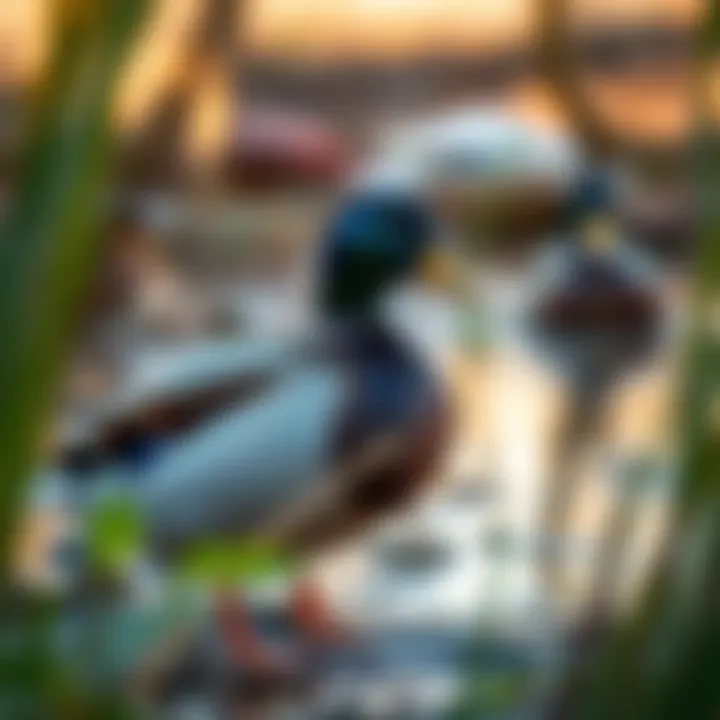
Mallard hens are remarkable in their physical adaptability. They typically sport a mottled brown plumage which serves as excellent camouflage in their natural habitats, protecting them from predators while nesting. Their body size is relatively stout, with adult hens weighing between 2 to 3.5 pounds, showcasing a compact yet sturdy form suitable for both flight and swimming. The bill of a mallard hen is broad and flat, a perfect adaptation for filter feeding in water. As season changes, so too does the appearance of these birds; during breeding season, the stark contrast between males and females becomes even more pronounced, emphasizing the importance of both sexes in the continuation of the species.
Habitat and Distribution
The mallard hen is a versatile bird, found in a variety of habitats that range from urban ponds to serene wetlands. They thrive in North America, Europe, and parts of Asia, adapting seamlessly to diverse environments. These birds prefer shallow waters where they can dabble for aquatic plants and small invertebrates, but they are also quite content in urban settings, frequenting parks and backyard ponds. The migratory patterns of mallards underscore their adaptability; many undertake long journeys between breeding and wintering grounds, further highlighting their resilience. With the ongoing threats of habitat loss, understanding their distribution is crucial for forecasting their survival.
Understanding the mallard hen's ecology and behavior is key to grasping the broader implications for conservation and ecosystem health.
To sum up, diving into the specifics of the mallard hen provides a wellspring of information which not only enriches our understanding of this species but also enhances our appreciation for the ecosystems they inhabit. This foundational knowledge equips us to tackle conservation challenges head-on, fostering a sense of stewardship for this iconic waterfowl.
Behavioral Patterns
Understanding the behavioral patterns of the mallard hen is crucial in gauging its adaptability and resilience in the face of environmental challenges. By diving into their feeding habits, social interactions, and mating rituals, we get a window into not just the life of the mallard but also the intricate web of relationships within their ecosystem. This knowledge aids conservation efforts and enriches our appreciation for these remarkable waterfowl.
Feeding Habits
Feeding behaviors of the mallard hen can be quite fascinating, showcasing their adaptability and resourcefulness. These birds primarily forage in water, utilizing both dabbling and diving techniques. Mallard hens often feed on aquatic plants, seeds, and insects, a diet that shifts with the changing seasons. During warmer months, they can be observed grazing around grassy edges of wetlands, where they pick at blades of grass or aquatic insects.
One notable aspect is their ability to exploit diverse habitats for food. In urban areas, for instance, they may scavenge leftover snacks from picnics, showing a level of adaptability that underscores their intelligence. This behavior not only helps them survive but also highlights their role in urban biodiversity.
Important Note: Careful management of their feeding areas is essential to ensure the availability of food sources, particularly during migration periods when these birds are fueled by high-energy diets.
Social Structure
The social structure among mallard hens is a tapestry woven with intricate interactions. Mallards are known for their gregarious nature, often seen in large groups, especially during winter or migration. In these flocks, social dynamics can be quite prominent. Often, a hierarchy emerges based on age, health, and other factors, influencing breeding success and access to resources. This pecking order may seem complex, but it plays a vital role in maintaining social stability within the group.
Interactions are marked by a range of vocalizations and body language. Hens may quack softly to communicate with ducklings or even engage in displays of dominance with other ducks. These nuanced interactions enhance the bonds within the group, making it essential for the youngsters to learn the social cues early on.
Understanding these dynamics is key for conservationists as it affects breeding patterns and habitat utilization. Are mallard populations thriving, or are there disruptions that need to be addressed? Observing social structures gives critical insights into their health and well-being.
Mating Rituals
The mating rituals of mallard hens are underpinned by intricate displays that serve as both a means of attraction and a method of ensuring species survival. During the breeding season, males put on a grand show, displaying vibrant plumage and engaging in elaborate courtship behaviors. The males are often vocal, advertising their fitness through a series of calls that range from the classic quack to softer, more intimate sounds.
A unique aspect of mallard mating is the communal aspect of courtship, where multiple males may display for a single female. This competitive element helps ensure that only the fittest males are allowed to mate, thereby enhancing genetic diversity. Once paired, the male and female engage in synchronized swimming displays that reinforce their bond.


The choice of nesting sites is influenced by these rituals, signaling the hens to select nests carefully. After mating, the hen will seek out a secluded area to lay her eggs, ensuring safety from predators. This aspect of mallard behavior emphasizes the importance of habitat conservation, as disturbances can disrupt these breeding activities.
Reproductive Strategies
Understanding the reproductive strategies of the mallard hen is crucial to comprehending its adaptability and success in various environments. These strategies not only ensure the survival of the species but also reflect its ecological behavior and the intricate balance it maintains within its habitat. The mallard hen employs specific breeding techniques that have evolved over time, demonstrating resilience in the face of changing ecological conditions.
Nesting Habits
Nesting habits are a vital component of the mallard hen's reproductive strategy. The choice of nest location is influenced by various factors including safety and accessibility to food and water. It often selects concealed spots near water bodies, such as dense vegetation or tall grasses. The hen typically builds a nest on the ground, creating a bowl-like shape with reeds, feathers, and other materials—cleverly camouflaging it from potential predators.
In terms of timing, mallards usually nest in late winter to early spring, aligning with optimal conditions for chick survival. They can often be seen returning to previous nesting sites, indicating a form of site fidelity that aids in consistent reproductive success. The construction and placement of the nest are crucial, as these factors significantly influence hatchling survival rates.
"The nest's location can be the difference between life and death for newly hatched chicks. Every choice counts."
Incubation Process
Once the eggs are laid, the incubation process commences, which is another critical aspect of the reproductive strategy. The mallard hen takes on the responsibility of incubating the eggs, which typically number between 8 to 13. During this phase, she will sit on the eggs for approximately 28 days, providing warmth and protection. Incubation is a delicate balancing act; while she must remain with her clutch, she also occasionally leaves the nest to forage for food and hydrate.
Humidity and temperature play vital roles during incubation. The hen must create a microenvironment suitable for embryonic development. Surprisingly, the hen can sense and adjust her behaviors in response to these factors. Research indicates that hens may occasionally rotate the eggs to promote even development, demonstrating instinctive behavior that enhances hatchling viability.
Chick Development
Once the eggs hatch, the focus shifts to the development of the chicks. Mallard ducklings are precocial, meaning they are relatively mature and mobile shortly after hatching. Within a few hours, they are able to swim and dive, quickly adapting to their aquatic environment. This rapid development is vital for their survival as they are preyed upon by various predators, including larger birds, foxes, and even fish.
The mother hen plays a fundamental role during this period, guiding her ducklings to safe feeding areas and teaching them essential survival skills. The bond between hen and chicks is particularly strong, not just for protection but also to ensure that the young learn to forage and navigate their surroundings effectively. Their diet consists mostly of invertebrates, aquatic plants, and small fish, which they learn to hunt under the watchful eye of their mother.
The first few weeks are critical; survival rates can vary dramatically based on environmental factors and predator presence. Consequently, the hen’s nurturing behaviors and habitat choices during this time are pivotal for ensuring the next generation can thrive and perpetuate the species.
This intimate look into the reproductive strategies of the mallard hen reveals not only her dedication to the continuation of her lineage but also highlights the delicate balance of survival in changing ecosystems.
Ecological Significance
Understanding the ecological significance of the mallard hen is paramount not just for bird enthusiasts, but for anyone concerned with the health of our ecosystems. Mallard hens play a critical role in their habitats, contributing to the balance that supports other wildlife and the natural environment. This section focuses on the multifaceted benefits these birds provide, as well as considerations surrounding their ecological impact.
Role in Ecosystems
Mallard hens are often seen dabbling in ponds, rivers, and marshes, actively participating in their ecosystem as both foragers and prey. They are omnivorous, consuming a wide variety of food including aquatic plants, insects, and small fish. This dietary flexibility allows them to thrive in diverse habitats and also aids in controlling the populations of other species. For instance, when mallards forage, they can help to disperse seeds of wetland plants, promoting plant diversity.
Beyond their feeding habits, mallard hens serve as an important food source for various predators. Birds of prey like hawks and eagles, as well as smaller carnivores, rely on mallard hens as part of their diet. Their presence thus supports the broader food web, establishing a balance that is vital for ecosystem stability.
Moreover, mllard populations can serve as indicators of environmental health. A decline in their numbers often signals issues such as habitat degradation or pollution, prompting further investigation into the ecosystem's condition. In essence, the health of mallard populations can mirror the state of the habitats they reside in, emphasizing their integral role in monitoring ecological balance.
Interactions with Other Species
The interactions of mallard hens with other species is a rich area of study, shedding light on the complex relationships within ecosystems. These birds tend to thrive alongside a variety of aquatic life, including fish and various invertebrates. Their feeding methods can influence the availability of food for other animals. For instance, when mallards stir up sediment from the bottom of a water body while dabbling, it can make micro-organisms more accessible to smaller fish species, creating a ripple effect throughout the food chain.
Additionally, mallard hens often coexist with other bird species in wetland environments, fostering a rich avian community. While some birds may compete for similar food resources or nesting sites, others benefit from a more symbiotic relationship. For example, they can share habitats with other waterfowl, possibly contributing to nest shelter in dense vegetation or benefiting from mutual alertness to predators.
"Mallard hens not only enhance biodiversity but also serve as essential cogs in the wheel of their ecosystems, highlighting the intricate web of life that marks our natural world."
Their social structures can influence the dynamics of local populations. When mallard hens congregate in large numbers, they create communal roosting spots that can deter predators, enhancing the survival odds for all. This behavioral adaptation showcases how species coexist and support one another within their ecological niches.
Resources for Further Reading:
- National Audubon Society
- Birdlife International
- U.S. Fish and Wildlife Service
- Cornell Lab of Ornithology
- Wikipedia Mallard
By nurturing a deeper awareness of the contributions made by the mallard hen, we can foster better conservation practices and strategies, ultimately ensuring their survival and the vitality of our ecosystems.
Conservation Challenges
Understanding the conservation challenges facing the mallard hen is paramount, not only for its survival but also for the health of the ecosystems it inhabits. As a widely recognized species of waterfowl, the mallard hen is a bellwether for broader environmental issues. Examining these challenges offers insights into the delicate balance within aquatic habitats and underscores the urgent need for effective interventions. Here, we will explore three key challenges: habitat loss, pollution and water quality concerns, and hunting regulations.
Habitat Loss
Habitat loss remains one of the most pressing issues for the mallard hen. Urbanization, agricultural expansion, and infrastructural development have severely diminished natural wetland areas, where these birds traditionally nest and raise their young.
- Wetlands are not merely homes for mallards; they serve as crucial ecosystems supporting diverse flora and fauna.
- As wetlands dry up or get altered, food sources dwindle, and the mallard hen faces increased competition from invasive species.
The result? Shifting migratory patterns and declining population numbers. Studies, like those from the U.S. Fish and Wildlife Service, suggest that protecting and restoring wetland habitats can significantly enhance the survival rates of mallard hens. Just like a drop in the bucket can ripple out in waves, conserving these ecosystems will create a domino effect of positive outcomes across the environment.
Pollution and Water Quality
The health of water bodies directly impacts the well-being of mallard hens and their chicks. Pollution from agricultural runoff, especially fertilizers and pesticides, adversely affects water quality. Contaminants can accumulate in the food chain, leading to toxic situations for these birds.
- Increased nutrient levels often lead to algal blooms, which deplete oxygen levels in the water, creating dead zones that can wipe out aquatic life.
- Moreover, contaminated water sources can hinder reproductive success, contributing to lower chick survival rates.
When discussing pollution, it’s essential to consider both chemical pollutants and physical trash—like plastic debris—transforming lakes and rivers into hazardous environments. Vigilance in monitoring water quality, alongside community initiatives aimed at reducing waste and chemical use, is crucial.
Hunting and Regulations
Although hunting plays a role in wildlife management, it also presents a significant challenge for the mallard hen, especially when regulations are either lax or poorly enforced. Many states in the U.S. allow hunting during certain seasons, yet inconsistent rules can lead to overhunting.
- Understanding the balance between conservation and responsible hunting is key; while hunting can help maintain healthy populations, excessive hunting disrupts these already vulnerable birds.
- Implementing stricter regulations regarding hunting limits and ensuring compliance is essential.
Beyond legislation, outreach programs aimed at educating hunters about sustainable practices can also reinforce the delicate balance needed for conservation.
"Protecting a species also means protecting its habitat, its water, and its future."
For further insights and information, consider visiting resources like the U.S. Fish and Wildlife Service or the National Wildlife Federation.
Conservation Efforts
Conservation efforts related to the mallard hen are critical, not only for its survival but for the well-being of wetland ecosystems where it resides. The significance of protecting these ducks goes beyond their charming presence in parks and lakes; it underlines the health of entire habitats and the myriad species that share them. As environmental challenges grow, exploring avenues for effective conservation becomes essential.
Protected Areas
Protected areas serve as vital sanctuaries for the mallard hen and countless other species. These sites of conservation are typically designated regions where human activity is regulated to preserve natural ecosystems. By creating and maintaining such areas, we effectively safeguard habitats that support the mallard's breeding and feeding practices.
When planning the expansion of protected lands, several considerations emerge:
- Biodiversity Maintenance: These areas often host diverse flora and fauna, contributing to ecological balance.
- Preservation of Wetlands: Wetlands are crucial for mallard hens; they provide nesting sites and abundant food sources.
- Climate Change Resilience: Protected spaces can help cushion species against the impacts of climate change by offering stable environments.
As an example, the establishment of the Klamath Basin National Wildlife Refuge system has significantly aided the preservation of habitat for the mallard hen, among other waterfowl. Such protected zones not only foster nesting but also serve as critical stopover points for migratory birds.
Public Awareness Campaigns
Raising awareness is a cornerstone of successful conservation. Public awareness campaigns highlight the crucial role the mallard hen plays in local ecosystems, emphasizing that every individual can contribute to their protection. These initiatives often strive to create emotional connections to wildlife, prompting communities to engage in preservation activities.
Key elements of effective public awareness campaigns can include:
- Educational Programs: Initiatives in schools and communities, educating people about the vital roles of mallard hens and their habitats in the ecosystem.
- Community Involvement: Organizing local clean-up days at wetlands or habitat restoration events can spark interest and investment in these areas.
- Social Media Outreach: Using platforms like Facebook, Instagram, and local forums can amplify messages about conservation, reaching a wider audience.
For instance, the Wetlands Conservancy runs programs focused on the importance of wetland ecosystems, promoting the mallard hen’s significance while fostering a sense of stewardship within communities. Campaigns such as these ultimately aim to create a collective sense of responsibility towards these resilient yet vulnerable species.
"No organization can succeed in isolation; community involvement is essential for true conservation."
Implementing robust conservation efforts will not only help secure a future for the mallard hen but will also contribute significantly to the overall health of aquatic and terrestrial ecosystems.
Cultural Significance
The mallard hen holds more than just ecological importance; it features prominently in various cultural narratives across the globe. From art to folklore, the representation of this duck species serves as a bridge connecting humanity to nature. Understanding how the mallard hen has influenced culture can foster a deeper connection and appreciation for this species and the environment it inhabits.
Representation in Art and Literature
Art and literature have long celebrated the mallard hen, portraying its beauty and grace in different mediums. Artists like John James Audubon have immortalized these birds in breathtaking illustrations that capture their vibrant plumage. Audubon's work often serves as a reminder of the intricate relationship between art, science, and nature. Through his detailed lithographs, we witness nature infused with artistry, highlighting the significance of preserving the habitats of such species.
Literature, too, has found ways to include the mallard in its texts. In works ranging from children's stories to serious ecological discussions, the mallard hen often symbolizes adaptability and resilience. These traits resonate deeply with audiences, angling the conversation towards the importance of conservation and the delicate balances within ecosystems. Authors tap into these themes, using the mallard as a central figure to impart lessons on coexistence with nature.
"To see a mallard in flight is to understand grace, yet it mirrors the fragility of our ecosystems – a reminder that we must tread lightly on this earth."
Overall, the depiction of the mallard hen in art and literature serves not just as aesthetic pleasure; it pushes forth the urgency to protect our natural heritage.
Mallard Hen in Folklore
The role of the mallard hen within folklore varies widely across cultures. In many Native American traditions, this species often appears in stories representing wisdom and survival. For instance, some tribes believe that the mallard symbolizes the waters' life-giving properties, indicative of its habitat preference for wetlands and rivers. These narratives can inspire a sense of respect for natural spaces and encourage conservation efforts by embodying the spirit of the water these birds depend on.
Moreover, in various cultures, the mallard hen's migration patterns are seen as omens or indicators of upcoming seasonal changes. Such beliefs highlight the contemporary relevance of traditional knowledge systems that show a profound understanding of the natural world, which often gets overshadowed by modern science.
The stories surrounding the mallard hen not only serve as cautionary tales but also as vehicles for cultural identity. They address themes of sustainability and place within the larger storytelling of human existence. As we explore these narratives, we uncover the layers of identity tied to the mallard hen, navigating its cultural significance and underscoring our shared responsibility for conservation efforts.
Finale
The conclusion serves as an essential element in encapsulating the comprehensive exploration of the mallard hen, allowing readers to reflect on the myriad aspects discussed throughout the article. This final segment highlights the importance of understanding not just the species' behaviors and ecological roles but also the pressing conservation challenges it faces today. Done thoughtfully, it paves the way for greater consideration of conservation efforts among the audience, particularly animal lovers and those who may not have previously engaged with the topic.
Summary of Key Points
In sum, the major insights shared in this piece include:
- The mallard hen's rich behavioral patterns, comprising its feeding habits, social dynamics, and mating rituals.
- Its reproductive strategies, detailing nesting habits, the incubation process, and the developmental milestones of chicks.
- The ecological significance of the mallard hen in maintaining healthy ecosystems and its interactions with other species.
- Challenges such as habitat loss, pollution, and the regulations surrounding hunting which threaten its population.
- Ongoing conservation efforts, including the establishment of protected areas and raising public awareness on the necessity to protect this species.
- Cultural representations and folklore linkages that emphasize the profound connection humans share with the mallard hen.
These key points underscore the mallard hen's integral role from an ecological and cultural standpoint, illustrating the need for continued research and conservation action.
Future Perspectives
Looking ahead, the future of the mallard hen involves not just assessing its ongoing status but also deploying strategic conservation measures that can adapt to changing environments. Here are some reflections on future considerations:
- Research: There is a pressing need for more research into the impact of climate change on habitat availability and food sources for mallard hens. Understanding these impacts will help to develop informed strategies for conservation.
- Community Engagement: More grassroots initiatives could be promoted to empower local communities. Activities like citizen science projects can engage residents in monitoring mallard populations and their habitats, fostering a sense of ownership.
- Policy Advocacy: Advocating for stronger regulations to combat pollution and ensure water quality is crucial. Collaboration between conservation groups and policymakers can drive this agenda effectively.
- Education: Increasing awareness about the mallard hen’s ecological roles through educational programs can cultivate respect and concern for its habitat among younger generations.
- Tech Innovations: Utilizing technology for tracking and analyzing migration patterns will provide insights into the species' resilience and adaptability in the face of ecological shifts.
Considering these aspects, future efforts could strengthen not just the mallard hen’s survival but also enhance the health of broader ecosystems.
The mallard hen, a seemingly common bird, embodies broader ecological narratives—its resilience inspires ongoing conversations about conservation and coexistence.
For more detailed information and resources on wildlife conservation, you can visit https://www.britannica.com or explore various educational tools on https://www.nwf.org. Keep the conversation going at forums like Reddit where passionate wildlife enthusiasts gather.