
Understanding Ear Mites in Cats: Treatment Options


Intro
Ears are often the most neglected part of a cat's health care, yet they can be a battleground for little pests known as ear mites. These tiny creatures aren't just a nuisance; they can cause serious harm to your feline friend's ears and overall well-being. Ear mites, scientifically known as Otodectes cynotis, thrive in the warm, dark environment of a cat's ear, leading to various complications if left untreated. This article delves into how to identify these uninvited guests, the symptoms they bring, and effective treatments to ensure your furry companion stays healthy.
Clearly, understanding these ear mites isn't merely essential for diagnosis, but also for treatment and prevention. Whether you're a devoted cat owner or someone who looks after cats in your community, arming yourself with knowledge can make all the difference. Let's dissect this topic further, creating a clearer picture of what one is up against when dealing with ear mites.
Prelude to Ear Mites in Cats
Ear mites are tiny parasites that can cause mayhem for cats, leading to irritation, discomfort, and a whole host of secondary health issues. Understanding ear mites is not just a veterinary concern; it’s a matter of pet owner responsibility. It’s vital to grasp the nature of these pests, their lifecycle, and the havoc they can wreak on your furry companion's health.
When you see your cat scratching its ears or shaking its head, the first thought might not always be… ear mites. But knowing what to look for is the key to early detection and effective treatment.
What Are Ear Mites?
Ear mites are microscopic arachnids, specifically Otodectes cynotis. These pests thrive in the warm, dark environments that cat ears provide. They live off the wax and oils in the ears, which sounds gross, but that’s their diet.
In terms of size, ear mites are about the size of a pinhead and are not easily visible to the naked eye. Most of the time, they go unnoticed until your cat starts showing clear signs of discomfort. Not only do they cause itching and irritation, but they can also lead to infections if left untreated. Some cats may not even seem affected at first, making regular checks essential.
The Life Cycle of Ear Mites
Understanding how ear mites reproduce and develop is key to combating a potential infestation. These parasites have a short life cycle:
- Egg Stage: Females lay eggs in the ear canal. This can happen rapidly, and typically, eggs hatch within 2 to 4 days.
- Larvae Stage: After hatching, the larvae emerge and begin to feed. They look for a host to attach to—often a cat's ear—where they will mature.
- Nymph Stage: After about a week, the larvae molt into nymphs and continue to feed. Nymphs still depend on the host for sustenance.
- Adult Stage: Eventually, they mature into adults, and the cycle begins anew as they mate, continuing the cycle of infestation.
It’s essential for cat owners to stay ahead of these critters. Given their rapid reproductive cycle, an infestation can escalate quickly if not addressed, leading to more serious health ramifications for your feline friend.
"Understanding ear mites is not just for veterinarians; it's a crucial knowledge area for any responsible cat owner."
Keeping your cat healthy means staying informed about potential threats like ear mites. When you know the signs and lifecycle of these pests, you're already on the right track to protecting your beloved pet.
Identifying Ear Mite Infestations
Identifying ear mite infestations in cats is crucial for both effective treatment and maintaining overall feline health. These persistent little critters can cause significant discomfort if not addressed promptly. When cat owners are able to recognize the signs early, they can prevent more severe issues from arising. Understanding the specific symptoms and behavioral changes that indicate an infestation equips owners with the knowledge necessary for timely intervention.
Common Symptoms in Cats
In the battle against ear mites, being vigilant for symptoms can be a game changer. Cats may exhibit several telltale signs of an infestation. Here are some common symptoms:
- Excessive Scratching: If your cat is scratching its ears more than usual, take heed. This behavior could be a clear signal of irritation caused by ear mites.
- Head Shaking or Tilting: Frequent shaking of the head or tilting one ear can also indicate discomfort. Cats may instinctively shake their heads to relieve the itching or discomfort inflicted by these pests.
- Brownish-black Ear Wax: A notable symptom is the presence of brownish or black debris in the ear canal, which is often associated with a mite infestation. This waxy substance isn’t your typical earwax; it's caused by mite activity.
- Odor: An unpleasant smell emanating from your cat’s ears might indicate a more severe infestation or secondary infection, which occurs when the ear mites breach the ear's natural defenses.
- Infection Signs: If one notices any swelling, redness, or discharge from the ear, those are alarming signs that should prompt a visit to the veterinarian.
Having a keen eye for these symptoms ensures that you can tackle the issue before it escalates, sparing your feline friend from unnecessary pain and distress.
Behavioral Changes Associated with Infestations
In addition to physical symptoms, cats may exhibit behavioral shifts that hint at an ear mite problem. Here are some changes to watch for:
- Increased Agitation: A normally placid cat may seem agitated or restless when plagued by ear mites. Constant itching and irritation can lead to stress.
- Avoidance of Contact: If your cat suddenly becomes less affectionate or seeks solitude more often, it might be reacting to discomfort from the infestation, opting to avoid situations that exacerbate its irritation.
- Change in Play Behavior: A reduction in playfulness or interest in usual activities can signal that something isn’t right. This loss of interest might not just be due to ear mites, but if paired with other symptoms, it strengthens the case.
- Vocalization: Some cats might express their discomfort through vocalizations. More meowing, whining, or growling could be their way of indicating that they’re not at ease.
Diagnosis of Ear Mites
Diagnosing ear mites in cats is crucial for their overall health and wellbeing. While these tiny pests are common, their presence often signals a larger issue that needs addressing promptly. Ignoring the symptoms or misdiagnosing the condition can lead to serious complications, making it essential to understand the diagnostic process.
Effective diagnosis relies on a combination of observation and testing. The quicker these pesky critters are identified, the sooner treatment can begin, paving the way for a quicker recovery for your feline friend.
Veterinary expertise plays a key role here. If you notice your cat showing signs of distress or discomfort, a thorough examination by a vet is the way forward. They can help distinguish between ear mites and other issues that may mimic the symptoms, such as infections or allergies.
This section delves into the two major aspects of diagnosing ear mites: the examination techniques vets use and the diagnostic tests employed to confirm the presence of these unwanted guests. Let's explore these methods in detail.
Veterinary Examination Techniques
When you take your cat to the vet for a suspected ear mite issue, the first step is a comprehensive examination. This typically involves observing the cat's behavior, physical condition, and any apparent signs in the ears. The vet will usually:
- Inspect the ears: Using an otoscope, they take a close look at the ear canal, searching for signs of infestation such as dark, waxy debris that resembles coffee grounds.
- Check for inflammation: Ear mites can cause irritation, leading to redness and swelling in the ear canal. The vet will note these symptoms carefully.
- Assess overall health: They may also examine the skin and fur for secondary infections or any other signs that could indicate a broader health issue.
Aside from physical examination, history taking is vital. The vet will ask questions about the cat's behavior changes, recent exposure to other animals, and previous health issues. This information can be invaluable in guiding the diagnostic process.
Diagnostic Tests for Confirming Infestation
After the initial examination, if ear mites are suspected, the vet may recommend specific diagnostic tests to confirm their presence. Here’s what to expect:
- Ear Swab Analysis:
A common method involves taking a sample of ear debris and examining it under a microscope. The vet looks for adult mites, eggs, or even mite excrement, giving valuable clues about the infestation. - Culture Tests:
If secondary infections are suspected—or if the initial tests yield inconclusive results—culturing the ear debris may help identify other pathogens at play. This step can ensure a proper treatment plan is established. - Flea Tests:
Sometimes, mites can be mistaken for fleas. A veterinarian might conduct flea tests, especially if the cat has been itching or scratching consistently.
It’s crucial to have a detailed assessment rather than relying solely on visible symptoms. Each aspect contributes to a clearer picture of the cat's condition, leading to a more precise diagnosis. Diagnosing ear mites accurately not only helps relieve your cat's discomfort but also prevents future infestations.
Medications for Ear Mites in Cats
When it comes to tackling ear mite infestations, the type of medication you choose plays a crucial role. Medications serve the obvious purpose of eradicating the mites and alleviating the discomfort caused by these tiny parasites. However, the selection process isn't as straightforward as one might think. Various factors including the severity of the infestation, your cat's overall health, and individual reactions to medications must be taken into account. Thus, understanding the different forms of treatment will help in making informed decisions regarding your feline companion's well-being.
Topical Treatments
Topical treatments for ear mites are often the first line of defense for many cat owners. These are usually applied directly into the affected ear and offer targeted action against mites. The efficacy of topical solutions can be commendable, allowing for a direct approach while minimizing systemic side effects.
Common topical treatments include:
- Ivermectin: Known for its effectiveness, ivermectin can disrupt the nerve function of the mites, leading to their demise.
- Revolution: This is a well-known product often prescribed not just for mites but also for fleas and ticks, offering broad-spectrum protection.
- Ear Drops: Many veterinarians recommend specific ear drops designed to kill ear mites directly. This might contain ingredients like pyrethrins, known for their ability to paralyze insects.
While topical treatments can provide quick relief, they also require a diligent application schedule. Missing even a dose can lead to a resurgence of the infestation. Additionally, be sure to monitor your cat for any signs of irritation or sensitivity, as reactions can happen, although they are infrequent.
Systemic Medications
Systemic medications, which are administered orally or via injection, offer an alternative when topical treatments might be unsuitable due to the cat's condition or the severity of the infestation. They work by entering the bloodstream and treating the entire system, which can prove more effective in cases of advanced infestations.
Some notable systemic options include:
- Milbemycin Oxime: This oral treatment is potent against mites and usually well-tolerated in cats.
- Selamectin: Like Revolution, it is dispensed as a spot-on treatment but acts systemically, which offers a convenient route for owners.
Choosing a systemic option sometimes comes down to your cat’s lifestyle and overall health. If they have existing health issues, discuss with your veterinarian whether a systemic medication could create additional risks. These medicines can sometimes cause more extensive side effects, so a veterinary oversight is essential.
Homeopathic Remedies
For those inclined towards natural solutions, homeopathic remedies can offer an alternative approach, although they might not substitute for conventional treatments. Many pet owners have found success using remedies from herbs or essential oils, which can be appealing due to their perceived gentleness.
Natural treatments such as:
- Apple Cider Vinegar: Renowned among pet owners for its ability to alter ear pH levels, potentially making it less hospitable for mites.
- Garlic Oil: Sometimes suggested, garlic oil is famed for its antimicrobial properties, offering potential benefits against infestations.
While homeopathic remedies can have anecdotal backing, it’s important to bear in mind that scientific evidence supporting these claims is often limited. Moreover, some ingredients can be harmful to pets. Therefore, engaging with a veterinarian knowledgeable in holistic treatments can provide assurance when considering these options.
"Choosing the right medication can make all the difference in your cat's recovery from ear mites. Don't hesitate to ask your vet for guidance!"
Relevant Resources:
- Wikipedia - Ear Mites
- PetMD - Ear Mites Treatment
- American Veterinary Medical Association - Understanding Ear Mites.
Comparative Analysis of Treatment Options
The treatment of ear mites in cats is a critical subject for any responsible pet owner. Understanding the various options available is not just about selecting a medication; it's about ensuring that your furry companion receives the best care possible. With ear mite infestations being a common issue, knowing which treatment is right for your feline can make a world of difference.
A comparative analysis of treatment options allows pet owners to weigh the pros and cons of each method available. This process involves looking at the effectiveness, safety, costs, and potential side effects of both traditional and alternative treatments. With so many options on the market, this analysis supports informed decisions that can relieve your cat’s discomfort while minimizing risks. Therefore, it’s essential not only to focus on efficacy but also to consider how the treatment aligns with your pet’s overall health needs and lifestyle.
Efficacy of Various Medications
When it comes to medications for ear mites, some may work wonders while others might not be as effective. Each treatment targets the infestation differently, making a comparative approach vital.
- Topical Treatments - Products like Revolution or Topical Frontline are commonly used. They work by disrupting the life cycle of the mites, effectively treating the infestation. Many pet owners opt for these because they can be easy to apply. However, their efficacy can sometimes wane if the treatment is not administered correctly or if the mite population is too high.
- Systemic Medications - Oral medications can be highly effective, with examples like Ivermectin. These medications attack mites from within and can provide a thorough solution. Still, systemic treatments can sometimes come with side effects that need to be monitored.
- Homeopathic Remedies - Some pet owners lean towards natural treatments, although the evidence supporting their effectiveness is often anecdotal. Products like garlic oil or tea tree oil are noted, but their reliability can vary.
The key is to work with your veterinarian to determine which medication will be most effective based on your cat's specific situation, environment, and overall health.
Safety Considerations for Different Treatments


Safety is paramount when selecting a treatment for ear mites. Not all solutions are suitable for every cat, and keeping your pet secure from adverse effects is crucial.
- Possible Side Effects - Every medication has the potential for side effects. Oral medications, for example, could result in nausea or even more severe allergic reactions. Understanding these risks helps guardians make informed choices.
- Age and Health Status - Young kittens or elderly cats may require special consideration. Certain treatments may not be safe for all age groups or for cats suffering from existing health issues.
- Drug Interactions - If your cat is on other medications, it is important to consult with a vet. Some treatments for ear mites could interact negatively with other drugs, leading to serious complications.
- Natural vs. Pharmaceutical - While one may be tempted to use homoeopathic remedies to avoid chemicals, it’s essential to understand that 'natural' isn’t always synonymous with 'safe.' Consultation with a veterinarian can clarify the best route for your pet’s treatment plan.
Always consult with a veterinary professional before beginning any form of treatment. Their expertise can guide you to choose the safest and most effective option while addressing your cat's unique needs.
In balancing efficacy and safety, it’s clear that a comprehensive analysis can aid in cultivating a holistic approach to your cat's health. Regular discussions with your vet can also help in reassessing treatment efficacy and adjusting strategies as necessary.
Preventive Measures Against Ear Mites
Preventing ear mite infestations in cats is crucial, not only for maintaining your pet's health but also for ensuring they remain comfortable and happy. These little nuisances can cause significant discomfort and lead to serious health issues if left unchecked. By taking proactive steps, pet owners can significantly reduce the risk of an outbreak. This section explores effective preventive measures that every cat owner should consider.
Regular Ear Cleaning Techniques
Cleaning your cat's ears is an essential part of their grooming routine. Regular cleaning helps to minimize the chances of ear mite infestations by removing debris and wax that can attract these pests. Here's how to do it correctly:
- Gather Supplies: You'll need cotton balls or pads, a vet-recommended ear cleaner, and possibly a towel to catch any mess.
- Secure Your Cat: It’s crucial to keep your cat calm during this process. You might want to place them on a stable surface and gently hold them, or have another person assist.
- Apply Cleaner: Follow the instructions on the ear cleaning solution. Typically, you will apply a few drops into the ear canal.
- Massage the Base: Gently massage the base of the ear for a few seconds; this helps distribute the cleaner. Your cat might shake their head, which is perfectly normal.
- Wipe Out Debris: Use a cotton ball or pad to carefully wipe out any loosened dirt or wax. Be cautious to avoid going too deep into the ear canal to prevent injuries.
- Repeat as Recommended: Depending on your cat's needs, aim to clean their ears every couple of weeks to keep them healthy.
Regular ear cleaning not only reduces the risk of ear mites but also helps identify potential ear problems early on, making it a win-win situation for both you and your feline friend.
Maintaining Cat Hygiene
Aside from ear cleaning, overall cat hygiene plays a vital role in preventing ear mites. A clean environment is less welcoming to these unwanted guests. Consider the following aspects of maintaining your cat's hygiene:
- Balanced Nutrition: Feeding your cat high-quality food can boost their immune system, making them less susceptible to infestations.
- Regular Grooming: Regular brushing helps remove loose fur, dander, and dirt. It also allows you to spot any signs of ear injuries or pests before they become a bigger issue.
- Clean Living Space: Ensure your cat's living area is clean. This means washing their bedding frequently and keeping your home clear of dust and debris.
- Limit Outdoor Exposure: If possible, control your cat's outdoor access. Cats who roam freely may have a higher risk of contracting ear mites from other animals or environments.
- Frequent Vet Visits: Regular check-ups with a veterinarian can help catch any potential issues early. Your vet can provide insights on your cat’s specific needs based on their breed and lifestyle.
By adopting these preventive measures, there's a good chance you will keep ear mites at bay. A little diligence on your part can save your cat a heap of discomfort and keep their ears in tip-top shape.
"An ounce of prevention is worth a pound of cure." This age-old saying rings especially true in the case of ear mite infestations.
Potential Complications of Untreated Ear Mite Infestations
Understanding the potential complications that arise from untreated ear mite infestations is critical for every cat owner. Ignoring these pesky parasites can lead to a host of serious health issues, not just for the feline companion but also for the peace of mind of the caregivers. Untreated ear mites may lead to a deterioration in your cat's quality of life and may require more extensive intervention later. The following are some specific complications that can arise.
Hearing Loss Risks
When ear mites make themselves at home in a cat's ears, the constant scratching and irritation often lead to severe inflammation. In time, this inflammation can thicken the ear canal tissue, resulting in a condition known as ear canal occlusion. This thickening reduces the cat’s ability to hear sounds properly.
For instance, a cat might not react to its owner’s call the way it used to, leading to concern that the cat has suddenly grown aloof or less responsive. However, the reality may be a hearing loss developed because of the buildup caused by the infestation.
"Ignoring ear mite infestations can transform your cat's vibrant personality into one that’s more withdrawn. If left untreated, this can lead to hearing loss, which impacts their interaction with the environment."
It’s alarming to think that a small mite can create such chaos in a creature’s auditory world. Staying alert to the symptoms can prevent progression to lasting damage. Regular check-ups and ear cleaning can work wonders in alleviating issues early on.
Secondary Infections and Health Concerns
Ear mites don’t work alone; they often invite other issues to the party. When a cat spends its days scratching and shaking its head, breaks in the skin can occur, creating openings for bacteria or yeast to invade.
This could lead to painful secondary infections, which can further complicate the situation. For example, an ear infection caused by Malassezia or Staphylococcus species may lead to symptoms such as foul odor, excessive discharge, or even fever. These infections can spread rapidly, leading to systemic conditions that affect the entire health status of the cat.
In some dire cases, untreated infections might even reach the inner ear or other critical areas, requiring extensive medical intervention or, in a worst-case scenario, surgery. Prevention is less costly, both financially and emotionally, than dealing with the repercussions of neglecting ear mite infestations.
In summary, recognizing and addressing ear mites early can save cat owners immense stress and safeguard their pets against further complications, ensuring the furry friends continue to thrive happily. The responsibility falls upon us, as caretakers, to prioritize long-term health over short-lived comfort.
Role of Veterinary Professionals
Veterinary professionals play a crucial role in managing ear mite infestations in cats. Their expertise can significantly affect both the effectiveness of treatment and the overall health of your feline friend. This section emphasizes the essential aspects of veterinary involvement in dealing with ear mites, showcasing not just their clinical insight but also the benefits and considerations of consulting a veterinarian.
When to Consult a Veterinarian
Not every ear-related issue in cats is rooted in ear mites, so understanding when to reach out to a veterinary professional is vital. If you notice any of the following indications, it's best not to wait.
- Persistent scratching: If your cat is consistently pawing at their ears, this may not just be a passing itch.
- Discharge: Any unusual brown or black discharge can signal an issue. This is especially concerning if it's foul-smelling.
- Inflammation or redness: Swelling or signs of irritation in the ears are alarming and require attention.
- Behavioral changes: If your cat seems withdrawn or irritable, it can indicate discomfort that needs to be addressed.
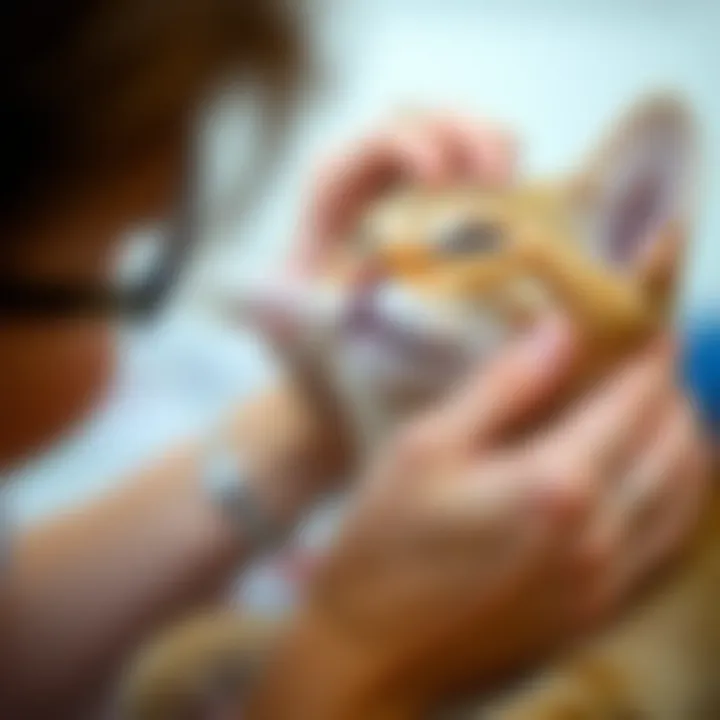
Even if you're unsure, your vet can provide guidance after a quick examination. Early intervention usually leads to better outcomes for the pet and could prevent more significant health issues down the line. It is not just about treating currents problems; it's about safeguarding your cat's future wellness.
Understanding Treatment Protocols
Once a diagnostic assessment confirms the presence of ear mites, it is imperative to understand the treatment protocols your veterinarian may suggest. These protocols are tailored according to the severity of the infestation and your cat’s specific health needs.
- Medications: Your vet might prescribe topical medications or systemic treatments based on the examination. Topicals are often applied directly into the ear canal and can provide localized relief.
- Cleaning Procedures: Your vet may also recommend cleaning protocols to help eliminate debris and mites. This introduction of routine ear cleaning can keep infestations at bay and ensure that your cat's ears remain healthy.
- Follow-up Appointments: Routine follow-ups are vital to monitor the situation. If the initial treatment does not lead to an improvement, further diagnostics may be required.
Veterinarians may utilize a combination of treatments, ensuring both efficacy and safety in addressing ear mite infestations. Keeping an open line of communication with your veterinarian can facilitate better understanding and careful consideration of your cat’s treatment journey.
Regular veterinary check-ups can prevent many issues from becoming serious. Don’t disregard the small signs; they often speak volumes about a cat's health.
By recognizing the role of veterinary professionals, pet owners can arm themselves with knowledge and be proactive in ensuring the health and happiness of their beloved companions.
The Importance of Ongoing Monitoring
Monitoring the health of your feline friend, especially when dealing with ear mites, is crucial for ensuring their well-being. It’s not just about treating the infection; it’s about establishing a comprehensive approach to health that can prevent future infestations.
Assessing Treatment Effectiveness
When it comes to ear mite treatment, not every remedy works like a charm for every cat. Each pet responds differently, just like humans do with medicine, making it vital to keep a close eye on how your cat reacts post-treatment. You should be on the lookout for signs of improvement. Here are some key points to consider:
- Symptom Observation: After embarking on a treatment plan, one of your main jobs is to continue observing the symptoms. Is your cat's ear itching less? Is there a decrease in discharge? These indicators signal the treatment's effectiveness.
- Behavioral Changes: Pay attention to your cat's overall demeanor. Is they more playful and active or do they seem to be in discomfort still? Changes in behavior can reflect their health status more than we often realize.
- Duration of Treatment: Some treatments require time before you see significant changes. Resist the urge to jump ship if things don’t improve immediately. Stick to the provided timeline unless advised otherwise by a veterinarian.
"Failing to monitor a treatment effectively can lead to a roller coaster of issues down the road, not just with ear mites, but with your overall pet care."
Revisiting Veterinary Care
Even after you think the coast is clear, revisiting your veterinarian is crucial. They can provide a deeper insight into your cat's recovery process. Here’s what to keep in mind:
- Follow-Up Appointments: Don’t shy away from scheduling follow-ups with the vet to assess progress. They can perform examinations that reveal more than what you might notice at home.
- Understanding Future Risks: Your vet can guide you about any potential return of ear mites or related health issues, emphasizing preventive measures that can be integrated into your routine.
- Tailored Advice: Every cat is unique, with varying levels of susceptibility to reinfestation. Discussing your pet's habits and environment can lead to personalized advice for keeping your kitty safe and sound.
In summary, routine monitoring and regular vet visits are intertwined aspects of keeping ear mites—and any other health concerns—at bay. By aligning these elements, you not only protect your cat right now but also lay the groundwork for a healthier future.
Pet Owner Responsibilities
As guardians of our feline companions, pet owners play a pivotal role in safeguarding their health, especially when it comes to issues such as ear mite infestations. Understanding one’s responsibilities in managing these pests not only protects a cat's well-being but also fosters a symbiotic relationship between the pet and owner. Education, routine care, and vigilance are critical elements in this regard.
Educating Yourself about Ear Mites
The first step towards responsible ownership is education. Familiarizing oneself with what ear mites are, their life cycle, and the symptoms of infestation lays a strong foundation for effective management. Ear mites, or Otodectes cynotis, are microscopic parasites that inhabit a cat’s ear canal, feeding on ear wax and skin debris. The itchiness and irritation they cause can lead to infections if not addressed promptly. A cat with ear mites may shake its head frequently or scratch its ears, sometimes creating excess wax buildup.
By understanding these signs, cat owners can act quickly. Additionally, utilizing resources such as veterinary websites, articles, and community forums can provide valuable insights. For example, websites like Wikipedia offer detailed information, while targeted discussions on platforms like Reddit can shed light on personal experiences and tips from fellow cat owners. This breadth of knowledge empowers owners to monitor their pets effectively.
Establishing a Care Routine
Creating a robust care routine can significantly reduce the risk of ear mite infestations and contribute to overall ear health. Routine ear checks are essential. Regularly examining your cat’s ears for any signs of irritation, excess wax, or unusual odors allows for early detection. Use a soft cloth to gently wipe the outer ear, steering clear of the ear canal unless advised otherwise by a veterinarian. This practice keeps the ears clean and can help prevent infestations.
Consider implementing topical treatments or preventive products as recommended by your veterinarian. Products such as Revolution or Frontline Plus not only manage ear mites but also protect against other parasites.
Moreover, establishing an overall hygiene routine, which includes a balanced diet, proper grooming, and regular veterinary check-ups, fosters an environment where ear mites struggle to thrive.
In summary, being a responsible pet owner involves a proactive approach to education and care. By staying informed and vigilant, you can ensure not only the health of your cat but also a happier, more harmonious home.
"An ounce of prevention is worth a pound of cure." - Benjamin Franklin
In the grand scheme of pet ownership, we are entrusted with the health and happiness of our furry friends. Taking the time to understand ear mites and how to prevent them can make a world of difference.
Epilogue
The conclusion of this article is not merely a summary but a vital encapsulation of key insights discussed throughout. Understanding ear mites in cats, their symptoms, and treatment options is essential for every pet owner. By addressing ear mite infestations proactively, cat lovers can help safeguard their furry friends from discomfort and potential health issues. With this guide, pet owners are better equipped to recognize the signs early, assess treatment options, and apply preventive measures effectively. This knowledge is not just about treating a condition but also about fostering a holistic approach to pet care that prioritizes health and wellbeing.
Recap of Key Points
- Identification of Ear Mites: Recognizing symptoms such as scratching, ear discharge, and behavioral changes is crucial for early detection.
- Diagnosis Techniques: Veterinarians employ various examination methods and diagnostic tests to confirm infestations.
- Effective Treatments: Different medications are available, including topical treatments, systemic medications, and homeopathic options, each with specific benefits and drawbacks.
- Preventive Approaches: Regular ear cleaning and maintaining overall hygiene significantly lower the risk of ear mite infestations.
- Monitoring and Ongoing Care: Continuous observation and revisiting veterinary care can ensure that any issues are caught well in advance.
Being proactive in addressing these aspects allows for a better quality of life for cats and peace of mind for their owners.
Final Thoughts on Treatment and Prevention
The journey does not end with identifying and treating ear mites; prevention plays an equally crucial role. Educating oneself about the risks associated with ear mites, and implementing regular cleaning routines establishes a healthy environment for your cat.
Additionally, this knowledge empowers pet owners to act swiftly if symptoms present themselves, ensuring that treatment begins without delay. With dedication and awareness, the likelihood of future infestations can be dramatically reduced. Your feline companions depend on your vigilance and commitment to their health. Always seek the advice of qualified veterinary professionals when it comes to any concerns about ear mites and overall ear health.