
Selecting the Best Brushes for Cat Grooming


Intro
When it comes to grooming your cat, the right brush can be a game changer. While many cat owners appreciate the benefits of regular grooming, not all realize the significance of selecting the most suitable brush for their feline friends. This article goes beyond just surface-level tips, guiding you through the maze of brush types available on the market and providing you with essential insights tailored specifically for your cat's needs.
We’re here to unpick the threads of cat coat care, diving into the distinct characteristics of popular brush types and how they align with various cat breeds—long-haired or short-haired, fluffy or sleek. Moreover, we will lift the veil on how such grooming tools don’t only aid in keeping your living space fur-free but also play a vital role in your pet’s overall health and wellbeing.
Let’s embark on this journey to demystify the world of cat hair brushes, ensuring that you leave no stone unturned in your quest for the perfect grooming companion.
Animal Species Profile
Prelims to the animal species
Cats have been beloved companions for thousands of years. Renowned for their unique personalities and diverse coat types, they hold a special place in many households. Each cat, from the majestic Maine Coon to the svelte Siamese, exhibits individual grooming needs based on its physical attributes.
Physical characteristics and appearance
Felines come in a plethora of shapes and sizes. Long-haired breeds such as the Persian boast luxurious coats that require frequent brushing to prevent mats and tangles. On the flip side, short-haired breeds like the American Shorthair often require less upkeep but benefit from regular brushing to remove loose hairs and skin cells. It’s important to consider these physical traits when selecting a brush. The right tool can mean the difference between a happy cat and a frustrated grooming session.
Natural habitat and distribution
While domestic cats thrive in homes around the globe, their ancestral roots trace back to wildcats in diverse habitats. Understanding the natural instincts and behaviors of your cat can inform how often and how intensely grooming sessions should be approached. In a sense, brushing echoes the allogrooming behavior seen in the wild, where cats keep each other tidy and strengthen social bonds.
Behavior and social interactions
Grooming does not just keep your cat looking sharp; it nurtures bonds between you and your pet. Regular grooming sessions can also serve as a critical time to observe any changes in skin or coat health and can enhance trust between owner and cat. Cats are naturally inclined to groom, and having you do it can provide comfort and enjoyment, not to mention an opportunity for some quality bonding time.
Pet Care & Tips
Choosing the right pet for your lifestyle
Before picking a brush, consider whether your lifestyle can accommodate the grooming needs of the cat breed you choose. Some cats, with their demanding coats, may need serious upkeep that might not mesh well with a busy schedule.
Basic care requirements and habitat setup
Providing a dedicated grooming space can simplify the process. Create a cozy spot with minimal distractions for your cat. A comfortable area helps your furry friend feel secure during grooming sessions.
Health and wellness tips for pet longevity
Beyond appearance, regular brushing aids in preventing hairballs and detecting skin issues early. That way, you can spot a problem before it escalates. A healthy coat and skin often translate to a healthier cat overall.
Training techniques and behavioral enrichment ideas
Keep grooming sessions positive! Use treats and soft words to help your feline associate brushing with enjoyable experiences. By doing this, you keep your cat open to being groomed, making the job much easier.
It’s time to equip yourself with the information you need to select the right cat hair brush. The brush you choose will play a significant role in creating a comfortable grooming routine for your pet, ensuring that every swipe is not just beneficial, but also a moment of connection.
"A good brush is not just a tool; it's a bridge between you and your pet's happiness."
By understanding your cat’s grooming needs, you take a solid step towards fostering a happier and healthier relationship with your furry companion. For more resources, you may check Wikipedia, or engage in community discussions on platforms like Reddit.
Prelude to Cat Grooming
Cat grooming is often underestimated. Many owners might think it’s enough to simply let their felines roam free, but the act of grooming extends well beyond aesthetics; it's essential for the health and wellbeing of our furry companions. A proper grooming routine helps minimize shedding and keeps the cat's coat and skin healthy. Moreover, it fosters a closer bond between the pet and the owner, making it a rewarding experience rather than a chore.
Grooming isn't just about a shiny coat; it’s about addressing potential issues like matting or skin irritations before they become more serious problems. Even if your cat seems indifferent to being brushed, consistent grooming can help manage any hidden issues like parasites or scalp problems. Keeping a cat’s coat clean can significantly reduce allergens in your home, which is beneficial for both the pet and the owner.
The Importance of Grooming
The importance of grooming cannot be overstated. For many cat breeds, regular brushing can be the difference between a healthy coat and one that is matted and prone to skin infections. Additionally, grooming stimulates the skin and promotes blood circulation, which keeps the coat well-nourished. The act of brushing also removes dead hair and dirt, which is especially important for long-haired breeds.
When looking at the importance of grooming, one must also consider its emotional benefits. Cats often enjoy the sensation of being brushed, and it can serve as a calm bonding activity for both parties. Many owners find that a grooming session can ease their pet's anxiety, filling an otherwise busy household with serenity and affection.
Overview of Cat Coat Types
Understanding the different types of cat coats is crucial when assessing grooming needs. The categories can be largely segmented into three main types: short-haired, long-haired, and hairless.
- Short-Haired Cats: Breeds like the American Shorthair or the Siamese generally require less grooming. A simple brush once a week can keep their coat healthy. However, they still shed, and occasional grooming helps in managing loose hair.
- Long-Haired Cats: Breeds such as the Persian or Maine Coon require more frequent grooming. Their beautiful coats can become tangled easily, so regular brushing—ideally every few days—is essential to prevent matting.
- Hairless Cats: Surprisingly, hairless cats like the Sphynx still require grooming although they lack fur. Regular bathing and skin care help keep their skin healthy and free of oils that can accumulate.
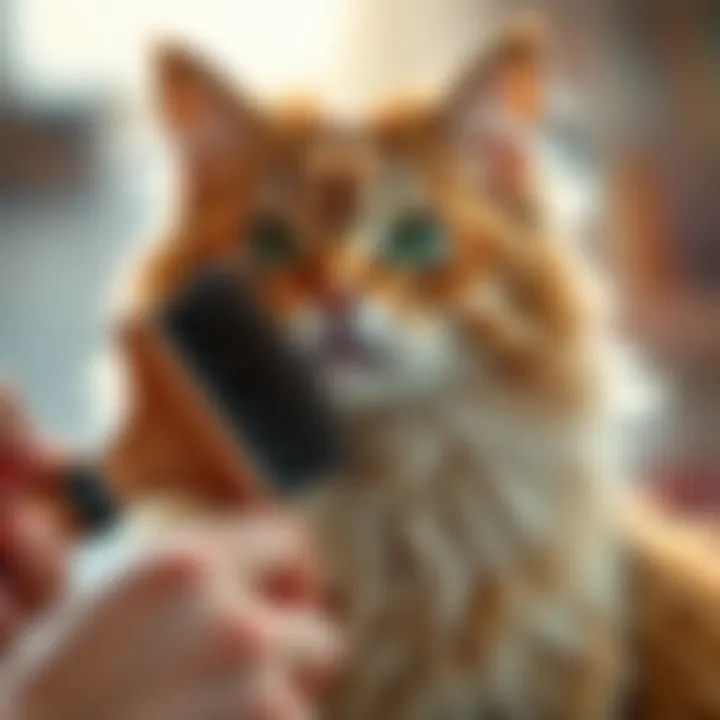
Understanding Cat Hair Brushes
Choosing the right cat hair brush can seem like a trivial task, yet this decision significantly impacts your feline’s hygiene and overall well-being. Understanding various brush types and their specific functions is essential for effective grooming. Grooming is not merely about aesthetics; it integrates into the health and happiness of your cat. A well-chosen brush can stave off matting and reduce shedding while fostering a bonding experience between the owner and pet.
Different Types of Cat Hair Brushes
Selecting the right tool for the job hinges on recognizing that not all brushes are created equal. Different cat breeds and coats necessitate different brush types:
- Bristle Brushes: These are ideal for short-haired cats. They remove loose hair while distributing natural oils, giving your cat’s coat a healthy shine.
- Slicker Brushes: With fine, closely spaced wires, slicker brushes excel at detangling and removing mats. They are particularly helpful for long-haired breeds like Persians or Maine Coons.
- Undercoat Rakes: This type targets the undercoat, making it a perfect choice for heavy shedders like Siberians or Ragdolls.
- Rubber Brushes: These brushes provide a gentle touch. They are great for sensitive skin and help to remove loose hairs, making them suitable for all cats. Plus, cats often enjoy the feeling of rubber against their skin.
- Self-Cleaning Brushes: These innovative designs release hair with the push of a button, reducing the hassle of cleaning. This can save time and effort for busy owners.
Understanding these types empowers you as a pet owner to select the brush that will best suit your cat's needs.
Materials Used in Brushes
The materials that go into crafting cat hair brushes can significantly influence their effectiveness and suitability. Here are some commonly used materials:
- Plastic: Commonly used in handles, plastic is lightweight and often cost-effective. However, not all plastics are created equal—some can be flimsy or uncomfortable to grip.
- Rubber: Utilized in brush heads, rubber promotes a gentle grooming experience. It reduces static and is less likely to irritate sensitive skin.
- Metal: Generally found in slicker brushes, metal bristles are durable and effective at breaking up mats or tangles. Owners should be cautious; if too much pressure is applied, metal can lead to skin irritation.
- Natural Bristles: Often sourced from boar or horsehair, these bristles are gentle on the skin and effective in distributing natural oils. However, they may not be as effective in detangling or removing very loose hair.
The materials chosen not only affect functionality but also may have implications on the grooming experience itself. For instance, a rubber bristle brush might be more appealing to a nervous cat than a metal slicker, thereby enhancing the overall grooming session.
Incorporating the right materials in your choice of brush is critical to ensuring a positive grooming experience for both you and your pet.
As you venture into the world of cat grooming, understanding the different types of brushes and the materials they are built from lays a solid foundation. This knowledge equips you to make an informed choice tailored to your cat’s unique grooming needs.
Evaluating Brush Effectiveness
When it comes to maintaining your cat's hygiene, the effectiveness of the chosen brush can make a world of difference. This section dives into the specifics of what makes a cat hair brush work well. While aesthetics can catch your eye, it's the practical aspects that ensure a good grooming session for both the cat and its owner. A brush that performs effectively not only helps keep the cat's coat clean but also enhances bonding between pet and owner.
Factors Influencing Effectiveness
Several factors influence how effective a cat hair brush can be in addressing grooming needs. Here are some key elements to consider:
Brush Type
The design of the brush plays a crucial role. For example, a slicker brush is fantastic for removing mats and tangles, especially in long-haired breeds. In contrast, a bristle brush might be more suited for short-haired cats, helping to remove loose fur without irritating the skin.
Material of the bristles
The material of the brush bristles can also impact effectiveness. Nylon bristles might be gentle, but they can struggle with tough knots. Stainless steel or natural boar bristles, however, can deliver much-needed strength and comfort, allowing for deeper grooming while minimizing discomfort.
Cat's coat type
It's important to match the brush type to the specific coat your cat sports. Long-haired felines benefit from combs that focus on detangling, while short-haired breeds thrive with brushes that distribute oils across their coat, enhancing its natural luster.
Frequency of Use
Another consideration is how often brushes are used. Regular grooming can lead to a happier cat and a more effective grooming process, reducing shed fur in your home and contributing to overall wellness.
Popular Cat Hair Brushes and Their Features
Choosing a cat hair brush can feel like searching for a needle in a haystack, especially when considering the myriad options available today. It is not just about picking any brush off the shelf; it’s essential to find one that really suits the unique needs of your feline friend. In this section, we will delve into popular cat hair brushes and their features, as understanding these tools can enhance the grooming experience for both the pet and the owner.
Overview of Leading Brands
When it comes to cat grooming, several brands have made a name for themselves in providing quality products that cater to various grooming needs. Notable mentions include:
- FURminator: This brand has carved out a solid reputation with its de-shedding tools which help reduce loose hair, particularly for cats that shed a lot. The ergonomic design ensures comfort in use, making it a top pick among pet owners.
- GoPets: They offer a dual-sided brush that is quite handy whether you’re dealing with short or long-haired coats. The stainless steel bristles effectively remove tangles and loose fur without being harsh on the cat’s skin.
- PetFusion: Known for its innovative designs, PetFusion brushes often focus on minimizing discomfort during grooming sessions. Their soft bristles do a commendable job in massaging the skin while cleaning.
- Burt's Bees: True to its nature-oriented branding, this company produces eco-friendly grooming tools. Their cat brushes are made from sustainable materials without the harmful chemicals, inviting a natural touch to care routines.
These brands, among others, have built trust through consistent performance and effective grooming solutions tailored for feline companions. As you explore options, keep in mind the specific needs of your cat, such as their coat type and sensitivity.
Feature Comparison
When assessing different cat hair brushes, several features merit careful consideration. Here’s how they stack up against one another:
- Bristle Type: Different brushes come equipped with various bristle types. Some brushes have slickers designed for detangling, while others feature rubber bristles intended for gentle grooming. Knowing what type of bristle suits your cat’s coat will make a significant difference.
- Handle Comfort: The ergonomics of a brush can’t be overlooked. Brushes with non-slip grips are more comfortable for long grooming sessions, so keep an eye out for this feature if you have a highly furry friend.
- Size and Design: The dimensions of a brush should complement the size of your cat. A smaller cat might not appreciate a hefty traditional brush. Compact options work wonders for petite breeds.
- Easy Cleaning Mechanism: Brushes with removable bristle pads or self-cleaning features offer convenience. Look for designs that allow for hassle-free cleaning, as this ensures that grooming remains a pleasant experience.
- Durability: Longevity matters. Quite literally, the last thing you want is a brush that falls apart after a few uses. Evaluate product reviews to get an idea of how well each brand stands the test of time.
- Grooming Purpose: Consider whether you need a brush for just brushing or if you want dual-purpose tools that can de-shed and slicker all in one. Multi-functional brushes save space and effort.
"Choosing the right cat hair brush is not just about aesthetics; it's about creating an enjoyable bonding experience with your pet."
For more information on grooming tools, check out resources such as Wikipedia or the Cat Fanciers' Association.


Investing the time to assess popular brushes and their features can maximize pet grooming success and happiness, creating a more harmonious relationship between you and your furry friend.
Brush Selection Based on Cat Breed
Choosing the right cat brush is not merely a matter of preference; it’s about understanding your feline's specific needs. Each breed brings its unique traits, and their grooming requirements can vary dramatically. Selecting the proper brush based on cat breed can improve the overall grooming experience, ensuring both you and your cat enjoy the process. Factors such as coat density, length, and texture create a nuanced landscape of grooming tools necessary to achieve optimal results. In this section, we will explore the nuances of selecting brushes for short-haired cats, long-haired cats, and those delightful mixed breeds.
Short-Haired Cat Brushes
Cats with short hair, like the American Shorthair, often need brushes that can manage loose fur without tugging on the skin. A fine-toothed comb or a soft bristle brush is generally sufficient. These tools are lightweight and gentle, ensuring your furry friend remains comfy during grooming sessions.
- Soft Bristle Brushes: They help remove loose hair while being gentle on the skin.
- Slicker Brushes: Ideal for removing dead hair and preventing matting, even in short-haired breeds which can experience this issue.
- Rubber Grooming Mitts: Not only does this option collect hair, it also massages the cat, making it a delightful experience for them.
The frequency of brushing a short-haired cat can be less than that for long-haired varieties, usually once or twice a week is good enough to keep shedding in check and maintain a healthy coat.
Long-Haired Cat Brushes
For cats like the Maine Coon and the Persian, a different approach is necessary. With their luxurious and often thick coats, these felines can easily develop tangles and mats. Therefore, a high-quality grooming regimen is essential.
- Wide-Toothed Combs: A must-have for detangling before using a slicker brush, it can help ease the process with minimal pulling.
- Slicker Brushes: Absolutely essential for daily grooming, they can reach the undercoat and remove loose fur effectively.
- De-shedding Tools: Particularly useful during shedding seasons; they target the undercoat without harming the top layer.
Because of their thick coats, long-haired cats require more frequent brushing, ideally every day to maintain their health and beauty.
Mixed Breed Considerations
When it comes to mixed breed cats, you might find an array of coat types thrown into the mix. Their grooming needs can greatly depend on their genetic background. For these kitties, it’s vital to observe your cat’s coat closely and adapt your grooming tools accordingly.
- Consult with a Vet or Groomer: Getting professional insights can help define your cat’s grooming needs.
- Versatile Brushes: Having a combination of brushes from both short and long-haired categories ensures that you can handle whatever fur comes your way. You could benefit from a slicker brush and a bristle brush to cover all bases.
- Watch for Matting: Mixed breeds may have areas prone to matting; it’s crucial to address these spots early with proactive grooming.
Overall, understanding the nuances of your cat’s breed can transform grooming from a chore into a bonding experience. Be mindful of the coat type and tailor your brushing techniques accordingly, allowing for a happier and healthier companion.
Grooming Techniques and Best Practices
Grooming isn't just a matter of keeping your cat looking sharp; it really plays a pivotal role in their overall health and well-being. Proper grooming techniques can help minimize shedding, reduce hairballs, and prevent skin problems. In this section, we tackle some best practices for grooming your feline friends, as well as recommending how often you should brush them. By following these guidelines, you can make the grooming experience more pleasurable for both you and your furry companion.
Brushing Frequency Recommendations
How often should you brush your cat? It's a question that many cat owners find themselves pondering. The answer isn't black and white, but there are general rules of thumb based on coat type and health.
- Short-Haired Cats: These cats typically require less maintenance. A quick brush every week should suffice to keep their coats healthy and free of loose hair.
- Long-Haired Cats: For these fluffy beauties, daily brushing is essential. Long fur can become a tangled mess in no time, and regular brushing helps to avoid matting and reduces the chances of hairballs.
- Mixed Breeds: Cats with a combination of coat types might need some flexibility. Monitor their fur closely and adjust your grooming routine as necessary. Typically, a few times a week may be appropriate.
Brushing is not just about aesthetics; it’s a bonding experience. It allows you to inspect your cat’s skin for any abnormalities or irritations, which promotes overall health.
Techniques for Effective Grooming
Not all grooming techniques are created equally. The method you use can significantly impact how effective the grooming session is and how much your cat enjoys it. Here are some techniques to consider:
- Start Slow: If your cat isn’t used to being groomed, take it slow. Introduce the brush gently, letting them sniff it first.
- Create a Calm Environment: Choose a quiet space without distractions, where your cat feels safe. Sometimes, all it takes is a soft whisper or gentle petting to soothe them beforehand.
- Use the Right Brush: The brush matters. Ensure that you're choosing a brush suited for your cat’s coat type. A slicker brush is fantastic for long-haired cats, while a bristle brush can work wonders for short-haired felines.
- Be Mindful of Sensitive Areas: Cats often have spots that are more sensitive, such as their belly or behind the ears. Approach these areas cautiously, and if your cat starts to squirm, it's best to skip those spots until they are more comfortable.
- Finish with Rewards: After a successful grooming session, don’t forget to reward your cat. Treats or a bit of playtime reinforce positive experiences related to grooming.
Remember: Consistency is key. The more regularly you groom, the more comfortable your cat will become with the process.
The Impact of Grooming on Feline Health
Grooming is more than just a beauty contest for your feline friend; it’s crucial for overall health and well-being. This aspect of care extends beyond making sure your cat looks good. Regular brushing and maintenance play an integral role in their physical and emotional health. A routine that includes effective grooming can prevent various health issues, provide comfort, and even enhance your bond with your pet.
A well-groomed cat is often a healthier cat, as grooming serves to reduce shedding, avoid mats, and manage skin conditions. This section delves into the importance of grooming, focusing on two key areas: the benefits beyond mere appearance and the behavioral aspects that can emerge from a well-structured grooming routine.
Benefits Beyond Appearance
While many view grooming simply as a way to keep their pets looking neat and tidy, there’s a treasure trove of health benefits that come along with it.
- Skin Health: Regular brushing helps to distribute natural oils across your cat’s coat, promoting a healthier and shinier fur. This process keeps the skin moisturized and helps prevent dryness and irritation.
- Preventing Hairballs: Cats are notorious for hacking up hairballs, and regular grooming can significantly reduce this nuisance. By removing loose hair before it enters the digestive tract, you can lessen the chances of hairball formation.
- Early Detection of Health Issues: Routine grooming allows you to inspect your cat’s body for anomalies, such as lumps, bumps, or skin inflammation. Noticing these changes early on can lead to faster diagnoses and treatments.
- Parasite Control: Grooming can also help you spot fleas, ticks, or other parasites before they become a full-blown infestation. This proactive approach can save you significant trouble and expense in pest management.
“A good grooming routine not only keeps your cat’s coat in top shape but also provides a window into their overall health.”
Grooming and Behavioral Aspects
The act of grooming doesn’t purely tick boxes on a health checklist; it also nurtures your cat’s emotional and behavioral well-being.
- Stress Reduction: The gentle motions of brushing can be comforting for cats, particularly for those that might experience anxiety or stress. This soothing activity can help ease nervous kitties and can even bridge the trust between the pet and the owner.
- Social Bonds: Engaging in grooming sessions provides an opportunity for interaction between you and your cat. This nurturing contact not only strengthens the bond but may also improve your cat’s mood and reduce the likelihood of aggressive behaviors due to stress or anxiety.
- Establishing Routine: Cats thrive on predictability. Creating a grooming schedule not only helps maintain coat health but also establishes a routine that can provide your cat with a sense of security.
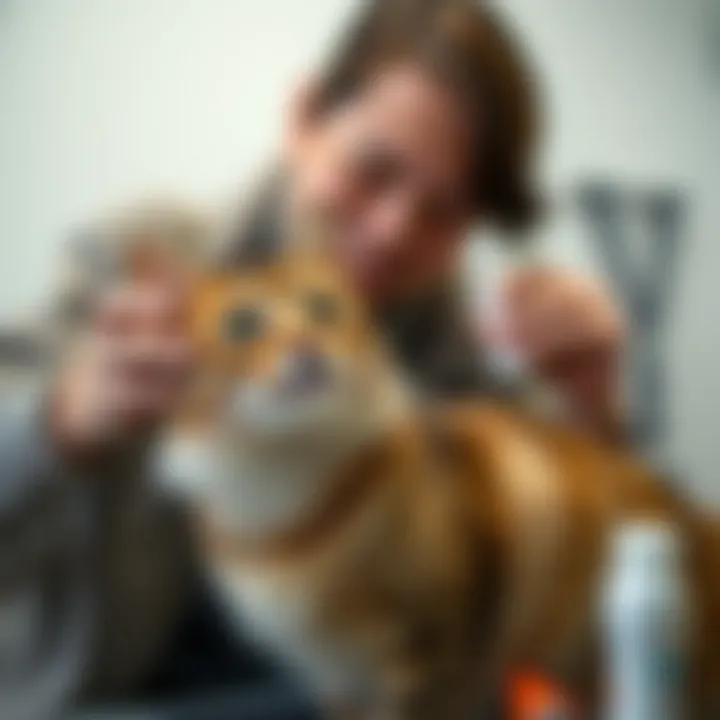
As we see, the impact of grooming goes far beyond mere aesthetics or cleaning. By embracing a comprehensive grooming routine, owners can provide lasting benefits to their cats’ health, both physically and emotionally. With the right tools and techniques in place, you can ensure your feline companion remains happy and healthy.
Common Grooming Challenges
Grooming isn’t just a matter of aesthetics; it serves as a vital part of ensuring a cat’s overall well-being. For pet owners, accessing the right grooming practices can sometimes feel like navigating a minefield, especially when encountering common challenges that arise. This section highlights the importance of being aware of grooming pitfalls, and how addressing these concerns can significantly enhance both the cat’s comfort and the quality of the pet owner’s experience.
Understanding these challenges not only fosters a stronger bond between the pet and owner but also aids in maintaining the health of the cat’s skin and coat. More importantly, being proactive about grooming can save owners time and money in the long run.
Dealing with Matting
Matting is a frustrating issue commonly seen in both short-haired and long-haired cat breeds. These tangles can quickly form and require immediate attention to prevent further complications. If left unchecked, matting can lead to discomfort, skin irritation, and even infection due to the hair pulling on the skin underneath.
Handling mats in your cat’s fur can often feel like a game of tug-of-war. Here are a few tips for managing them:
- Regular Inspection: Frequently check your cat’s coat for any knots or tangles, especially in high-friction areas like behind the ears and under the armpits.
- Use the Right Tools: A slicker brush or a dematting comb can be particularly effective. These tools are designed to glide through the fur more efficiently than a regular brush.
- Gentle Approach: When working on a mat, start at the end and gradually work your way towards the skin. Tugging too hard can be harmful and lead to stress.
- Different Techniques: Some mats may necessitate cutting; possessing a pair of round-tipped scissors can provide a safer solution. Be cautious, as cutting can lead to skin nicks if not done properly.
Practicing patience and technique in dealing with matts can make a world of difference in your cat's grooming experience.
Addressing Skin Sensitivities
Much like humans, cats can have their fair share of skin sensitivities. Some cats may be allergic to specific products, or adverse reactions may arise due to underlying skin conditions. Recognizing and understanding how to care for sensitive skin ensures a more pleasant grooming experience.
Consider the following points:
- Know Your Cat’s Skin Type: Some cats have oily or dry skin, and grooming habits may need to be adjusted according to these conditions.
- Choose Hypoallergenic Products: When selecting grooming products such as shampoos or conditioners, lean towards hypoallergenic options to minimize potential reactions.
- Be Watchful for Red Flags: Flaking, redness, or excessive scratching can indicate that something’s off. Pay attention and consult with a veterinarian if any issues persist.
- Maintain a Routine: Regular grooming helps to keep the skin healthy and avert potential issues before they escalate.
Addressing these skin sensitivities with care promotes both comfort and health, leading to a happier cat and a more tame grooming process.
"A wise cat never jumps on a dog’s back unless it has a plan in mind." - Unknown
By preparing for these challenges ahead of time, cat owners can transform grooming from a daunting task into an enriching ritual that fosters health and happiness for their feline companions.
Sustainable Grooming Practices
The spotlight on sustainability is shining brighter than ever, urging us to reconsider our choices in every aspect of life—including how we care for our beloved pets. Sustainable grooming practices not only promote the well-being of our cats but also emphasize the importance of environmental responsibility. With an ever-growing awareness of ecological issues, cat owners are increasingly seeking ways to engage in greener grooming routines. This section dives into sustainable grooming practices that can make a difference for both your feline friend and the planet.
Eco-Friendly Brush Options
When it comes to selecting brushes for your cat, the materials play a significant role in their environmental impact. In recent years, several brands have emerged offering brushes designed with sustainability at their core. These brushes often feature handles made from recycled plastic or natural wood, reducing the reliance on new materials. Furthermore, the bristles may be crafted from biodegradable materials like bamboo or natural fibers instead of synthetic ones.
- Bamboo Brushes: Strong and durable, bamboo brushes are an eco-friendly alternative that also boasts a pleasing aesthetic. They do not only function well; they also decompose faster than plastic, contributing less waste to landfills.
- Recycled Materials: Brands like Earth Rated have developed products that utilize recycled plastics, a notable innovation that helps keep waste out of nature.
- Natural Bristles: Brushes made with natural bristles—such as those from boar hair or horse hair—can effectively remove loose fur while being gentle on your cat's skin. These options promote a more organic process that is kinder to the environment.
Choosing eco-friendly brush options not only enhances your cat’s grooming routine but also reflects a commitment to sustainability.
Reducing Waste in Grooming
Reducing waste in the grooming process requires a conscious effort, and small changes can yield big results. Cat grooming tools often contribute to unnecessary waste if not chosen thoughtfully. Here are some recommendations for minimizing waste during grooming sessions:
- Invest in Quality: Buying high-quality, durable brushes reduces the need for frequent replacements, ultimately lowering waste generation. Well-made brushes guarantee a longer lifespan, better results, and fewer faux pas in purchasing disposable options.
- Routine Maintenance: Regularly cleaning your grooming tools can extend their life. Simple acts like removing hair and debris can keep the brushes functional and in optimal condition, delaying the need for replacements.
- Recycling Programs: Participating in recycling programs where possible can significantly reduce waste. Some companies have initiatives for recycling old brushes, ensuring that materials are processed and reused rather than thrown away.
- DIY Grooming Solutions: Using home-based grooming solutions can cut down on unnecessary purchases. For instance, a simple pair of grooming gloves made from natural materials can replace a conventional brush for some cats, promoting a more interactive and waste-free grooming experience.
Incorporating these practices not only makes a grooming session more efficient but also demonstrates a commitment to being a responsible pet owner. Embracing sustainability in grooming is a win-win that benefits both your cat and the planet.
"Changing our habits, however small, paves the way for a healthier planet for generations to come."
Through understanding sustainable grooming practices, cat owners can take great strides towards ecological awareness, ensuring their grooming rituals not only cater to their pets but also to the environment.
Epilogue: Making an Informed Choice
When it comes to cat grooming, making an informed choice about the right hair brush can’t be understated. This decision involves understanding your cat’s individual needs which range from coat type to personality. An effective brush should be a staple in every cat owner’s toolkit for the simple reason that it doesn’t just keep your furniture fur-free; it significantly affects feline health and happiness.
Selecting the appropriate brush is like choosing the right dress for an occasion; it needs to match the situation. A brush that works well for a fluffy Ragdoll may not serve a sleek Abyssinian quite the same. Each cat’s grooming routine is part of a larger picture of health and well-being, so understanding what type of brush you need ensures that grooming is enjoyable rather than a chore.
Summary of Key Considerations
- Coat Type: Different bristles are required for different coat types. For instance, long-haired cats benefit from wide-tooth combs and slicker brushes, whereas short-haired cats may need something gentler like rubber grooming gloves.
- Frequency of Grooming: Knowing how often to brush your cat is important. Regular grooming helps reduce shedding and minimizes hairballs. A twice-per-week routine might suffice for certain breeds, while others may require daily attention.
- Your Cat’s Personality: Some cats are more tolerant of brushing than others. A cat that dislikes being touched may require a softer approach, utilizing gentler brushes to avoid stressful grooming sessions.
- Materials Used in Brushes: Consider eco-friendly options or brushes made from sustainable materials which can benefit both the environment and your pet’s health. Brushing isn’t just about removing fur; it also promotes skin health, which can be affected by the materials used in brush manufacturing.
- Ergonomics for You: A comfortable grip on the brush will make grooming less of a strain on your hands over time, just as important for you as it is for your feline friend.
Future Trends in Cat Grooming
As we look forward, some intriguing trends are emerging in the realm of cat grooming. The rise of technology is leading to smarter grooming solutions. For instance, self-cleaning brushes are making life easier for busy pet owners. These innovative tools promise to simplify the grooming task, reducing time and effort while maintaining effectiveness. There’s also a growing trend toward customizable grooming products, which allow owners to select features tailored to their cats’ needs.
Moreover, awareness about sustainability is spurring brands to manufacture grooming products that are friendly to the environment. Brushes made from biodegradable materials are not just a possibility but emerging as a necessity, responding to the conscientious desires of modern consumers.
In addition, the advent of online communities and platforms for pet care are becoming invaluable resources for sharing grooming techniques and product recommendations. Social media platforms, forums on Reddit, and dedicated groups on Facebook provide vast knowledge, empowering cat owners to discuss what's working for them.
Ultimately, staying informed about these advancements can equip you with the tools you need to keep your cat looking and feeling great. Emphasizing routine grooming as a joyful bonding experience rather than an obligation can greatly enrich the relationship you share with your feline companion.