Understanding Belgian Malinois Rescue in Arizona
Animal Species Profile
Prelude to the animal species
The Belgian Malinois, part of the shepherding group, is often mistaken for a German Shepherd due to its similar appearance. However, the Malinois showcases its own distinct characteristics and personality traits that make it truly unique. Developed in Belgium as a herding dog, this breed excels in various roles which include being service dogs, police K9s, and, of course, loyal family companions. Understanding these traits is essential, especially in the context of rescue efforts.
Physical characteristics and appearance
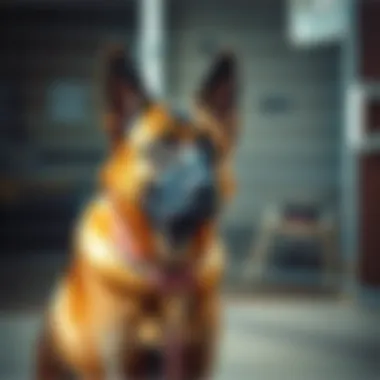
This breed is notable for its sleek and agile build. Adult Belgian Malinois typically weigh between 40 to 80 pounds. They exhibit a square-shaped body, a short and dense coat which generally ranges in color from fawn to mahogany, and a distinctive black mask. Their erect ears and expressive eyes give them an alert and intelligent appearance. This gives them a striking presence that adds to their appeal.
Natural habitat and distribution
The Belgian Malinois is versatile and adaptable, thriving in various environments from urban settings to wide-open spaces. Traditionally bred for working and herding, these dogs require physical and mental stimulation. While their origins trace back to Belgium, today one can find Belgian Malinois across the globe, and especially in the United States, which has seen a growing fascination with this breed.
Behavior and social interactions
Known for their intelligence and eagerness to please, Belgian Malinois are often characterized by their high energy levels. They thrive on human interaction and can become bored easily if not adequately stimulated. This need for companionship also demands responsible pet ownership, as neglect may lead to behavioral issues. Their social nature makes them suitable for families, but they must be trained and socialized properly to ensure positive interactions with both humans and other animals.
"Belgian Malinois are not just pets; they are eager working partners and family members, needing the right guidance and love to thrive."
The Challenge of Belgian Malinois Rescue
Rescue Challenges Faced by the Breed
Despite their remarkable temperament and intelligence, many Belgian Malinois face significant challenges in rescue scenarios. Unfortunately, this breed is often surrendered due to owners underestimating the level of care, training, and exercise they require. It is not uncommon for individuals to adopt a Malinois only to find themselves overwhelmed by their energy and intelligence, leading to rehoming.
Adoption Considerations for Potential Owners
For those considering adopting a Belgian Malinois, understanding their needs is paramount. Potential owners should assess their ability to provide ample exercise, mental stimulation, and consistent training. These dogs are not ideal for first-time dog owners, as they require unique handling and experience. Educational resources and training programs should be thoroughly evaluated to ensure a successful match.
The Role of Rescue Organizations
Several dedicated organizations work tirelessly in Arizona to facilitate the rescue and rehabilitation of Belgian Malinois. Organizations like the Arizona Belgian Malinois Rescue focus on finding suitable homes for surrendered or abandoned dogs while also providing essential training resources to ensure successful placements. Their commitment exemplifies the passion for preserving the welfare of this beloved breed.
Each rescue situation reflects the ongoing struggles faced by these dogs, but with the right understanding and community support, there is hope for countless Malinois in need of loving homes.
Prologue to Belgian Malinois
Understanding the Belgian Malinois is vital not only for potential adopters but also for those involved in the rescue efforts across Arizona. This breed, known for its agility, intelligence, and unwavering loyalty, requires special attention in rescue operations. The intricacies of their temperament and behaviors highlight the importance of informed interventions that can make a significant difference in their rehabilitation and rehoming processes.
Overview of the Breed
The Belgian Malinois belongs to a lineage that has been cherished for generations. This breed originated in Belgium and was initially bred for herding. With a sleek structure and a color palette that ranges from fawn to mahogany, their appearance often draws an immediate connection to notions of both strength and elegance.
Typically, a male Malinois weighs between 60 to 80 pounds, while females are slightly lighter. Their typical lifespan is about 12 to 14 years, making them a long-term commitment for adopters. The breed is distinctive not only for its physical attributes but also for its keen work ethic. Malinois tend to excel in various fields such as search and rescue, police work, and even competitive sports.
Characteristics and Temperament
These dogs are known to have a vibrant personality. They're energetic, alert, and exhibit a strong desire to work. Many people describe the Belgian Malinois as affectionate, often developing deep bonds with their families. However, their high energy levels mean they require ample exercise and stimulation. In simpler terms, leaving a Malinois to its own devices can lead to destructive behaviors.
Their intelligence is another double-edged sword. While it makes training relatively straightforward, it also means they need constant mental challenges to prevent boredom. This is crucial in rescue scenarios; understanding how to engage their minds is essential in their recovery and adjustment periods in foster care or new homes.
Common Misconceptions About Belgian Malinois
Often, people misconceive the Belgian Malinois as merely aggressive or overly dominant. This misconception stems largely from their working history. Yes, they can be protective, but aggression is not a trait inherent to the breed. Many times, behavioral issues arise from a lack of proper training or socialization.
Another widespread myth suggests that Belgian Malinois are only suited for experienced dog owners. While they do require handler dedication and knowledge of canine behavior, first-time owners can be successful with the right resources and support. Being involved in their training, enriching their environment, and maintaining social interactions can bridge the gap for less experienced pet owners. As many rescue organizations in Arizona emphasize, understanding these dogs is essential for a smooth transition into a family environment.
"The real message should be about understanding the animal's needs rather than just fitting them into preconceived molds."
The State of Belgian Malinois Rescue in Arizona
The landscape of rescue efforts for Belgian Malinois in Arizona is a vital topic, especially when one recognizes the increasing number of these dogs finding their way into shelters and rescue facilities. A blend of breed characteristics and societal factors amplifies the urgency for effective rescue initiatives. Understanding the state of rescue efforts is not just a matter of statistics, but also a deep reflection on the commitment of organizations and volunteers working tirelessly to address the needs of these dogs.
Current Rescue Organizations in Arizona
In Arizona, various dedicated organizations focus on rescuing and rehabilitating Belgian Malinois. Notable among these are:
- Malinois Rescue League: This organization specializes in the Belgian Malinois breed and offers a structured approach to rescue, providing foster homes and adoptive services. They place a strong emphasis on educating potential adopters about the breed's unique needs.
- Arizona Belgian Malinois Rescue: This group operates as a rescue and retraining facility, often pooling resources to assist dogs facing severe behavioral challenges. Their mission folds a spotlight on the importance of proper training alongside rescue efforts.
- Pawsitively Pawesome: Although not breed-specific, this organization often aids in the rescue of Belgian Malinois, focusing on educating owners about responsible pet ownership. Their outreach programs extend to community workshops that aim to decrease the number of dogs surrendered to shelters.
These organizations signify a network of support for Belgian Malinois, offering a lifeline for not just the dogs, but for the families they eventually join.
Statistics on Rescued Belgian Malinois
The statistics regarding Belgian Malinois rescues in Arizona is revealing. According to recent data from the Arizona Humane Society, approximately 10% of dogs entering shelters are classified as Belgian Malinois or Malinois mixes. This translates to hundreds of dogs annually requiring immediate intervention. Notably, in recent years, there’s been a gradual uptick in both rescues and adoptions, suggesting growing public awareness.
By 2023, over 200 Belgian Malinois have found their permanent homes through local rescues, but the journey to achieving rehoming goals is still a work in progress.
However, the rate of abandonment remains troubling. Many Malinois are surrendered due to misunderstandings about their needs as highly intelligent and energetic dogs.
Challenges in Rescue Operations
The challenges faced during rescue operations for Belgian Malinois are multifaceted:
- Behavioral Issues: Many rescued Malinois exhibit behavioral problems stemming from neglect or inadequate prior training. Addressing these issues requires time, patience, and specialized skills, complicating the adoption process.
- Funding and Resources: Nonprofit organizations often operate on tight budgets, relying heavily on donations and volunteers. Limited resources can hamper their ability to provide adequate training and veterinary care for each dog.
- Awareness and Education: There remains a notable gap in public understanding regarding the requirements of this breed. Potential adopters often underestimate the level of activity and mental stimulation a Belgian Malinois needs, leading to higher rates of post-adoption returns.
These challenges underscore the need for ongoing community education initiatives, robust funding, and stronger partnerships between organizations to foster a more sustainable rescue framework.
Understanding the Need for Rescue
The necessity for rescue efforts focusing on Belgian Malinois cannot be overstated, especially in places like Arizona, where the climate and local lifestyles can complicate the well-being of this breed. As a breed characterized by high energy, intelligence, and demand for physical as well as mental stimulation, the Malinois often finds itself discarded when owners fail to meet its specific needs. Understanding this need for rescue shines a light not just on the dogs themselves, but also on the conditions contributing to their plight.
Reasons for Abandonment
The reasons for the abandonment of Belgian Malinois are multifaceted, rooted in both individual circumstances and broader societal trends. Some common factors include:
- Inadequate understanding: Many individuals acquire a Malinois without fully grasping the breed's high activity levels and work ethic. People sometimes think they are just getting a pet, when in reality, they are inviting a full-time job into their homes.
- Lifestyle changes: Situations like moving to an apartment without a yard, changes in household structure, or increased work commitments can lead to the decision to abandon.
- Health issues: Owners may face financial difficulties due to unexpected health problems, often prioritizing their own medical bills over their pet's needs.
- Behavioral challenges: The breed's strong intelligence can sometimes manifest as misbehavior if not channeled correctly. Unsuitable living situations can lead to destructive behavior, which often results in the owner feeling overwhelmed and seeking to rehome the dog.
These circumstances highlight the complexity around pet ownership and reinforce the need for education on breed-specific care before adoption.
Impact of Misplaced Expectations
Misplaced expectations also play a huge role in the challenges faced by Belgian Malinois in Arizona. Many people see videos of these dogs performing impressive tasks or working in various fields, leading them to believe that they can replicate such behavior with minimal effort. This misunderstanding can result in disappointment, frustration, and eventually abandonment. Key areas where these expectations often fall short include:
- Training commitment: Prospective owners often underestimate the time and patience needed for training. A Belgian Malinois can require a firm but fair training approach shaped by constant engagement.
- Space and exercise: Expectations about how much space and exercise a Malinois truly requires can be overly optimistic. Living where there isn’t ample opportunity for physical activity can lead to behavioral issues.
- Socialization needs: Many people might believe that if they socialize their dog early on, it will always be friendly and well-adjusted. In reality, continuous socialization is essential to maintain their adaptability and comfort around new situations.
By addressing these misplaced expectations, we can better prepare future owners to embrace the unique characteristics of Belgian Malinois, ultimately reducing the rates of abandonment and the resulting demand on rescue efforts.
"An informed adopter can make all the difference in the life of a Belgian Malinois. Understanding the breed means committing to enriching their lives too."
Ultimately, recognizing the profound need for rescue within this context sets the stage for deeper cross-community collaboration, fund-raising efforts, and overarching support systems that can foster a brighter future for these remarkable dogs.
The Rescue Process Explained
The process of rescue is not merely about removing a dog from a difficult situation; it encompasses a holistic approach to rehabilitation and eventual rehoming. When it comes to Belgian Malinois, understanding this process is crucial as it highlights the multifaceted support these dogs require. These canines possess high intelligence and energy, meaning their rescue journey must address their physical and mental well-being. Each step in the rescue process builds a strong foundation for their future, ensuring that by the time they find a loving home, they are ready to thrive.
Initial Assessment and Evaluation
Upon entering a rescue facility, each Belgian Malinois undergoes a thorough initial assessment. This evaluation helps the staff understand the dog’s current state, which might include health issues, behavioral problems, or socialization deficits. Trained professionals observe the dog's behavior in different environments to gauge anxiety levels, aggression triggers, and social tendencies. The gathered data forms the basis for individualized care strategies.
- Veterinary Check: A health screening is paramount. Dogs may arrive with untreated injuries, illnesses, or pests like fleas and ticks. Addressing these issues immediately provides a healthier starting point for rehabilitation.
- Temperament Testing: Understanding a dog's temperament is essential. Some Malinois are skittish due to past trauma, while others can be overly aggressive if not socialized properly. This testing helps in planning behavioral interventions effectively.
This stage doesn’t just help prioritize immediate needs but can also unveil misinformation – such as a dog's energy level being misunderstood as hyperactivity when it may actually stem from fear.

Medical Treatment and Rehabilitation
Once the assessment is done, the focus shifts to medical treatment and rehabilitation. This step can be extensive depending on the condition of each individual Malinois. For example, a dog suffering from malnutrition may require a tailored diet plan, along with supplementary health checks. In some cases, surgeries may be necessary to correct past abuse injuries or health conditions.
- Nutritional Support: Crafting a balanced diet is often a fundamental part of rehabilitation. Poor nutrition can lead to behavioral issues, so restoring the dog's physical health takes precedence.
- Preventive Care: Vaccinations are crucial here, as many rescue dogs come from uncertain backgrounds where exposure to diseases is high.
- Rehabilitation Programs: Activities may include physical therapy and therapeutic exercises to build strength and confidence. Each session is an opportunity to connect the dog with trainers, offering reassurance and a sense of safety, which is particularly vital for Malinois that may have trust issues.
Rehabilitation is not a quick-fix solution; it often requires ongoing commitment and resources from both the rescue and potential adopters.
Behavioral Training and Socialization
After a dog receives medical care and begins to stabilize, the next significant step is behavioral training and socialization. Belgian Malinois are incredibly intelligent, meaning they thrive on stimulation and interaction. This stage involves etching positive behaviors and dismantling those that stem from fear or past trauma.
- Obedience Training: Teaching basic commands forms the backbone of behavioral training. Commands like "sit" or "stay" are vital as they establish a line of communication between the dog and their handler.
- Positive Reinforcement: Techniques such as clicker training or treat rewards encourage good behavior and build a bond of trust. This method minimizes negative experiences, steering the training process toward a progressive, affirmative direction.
- Socialization with People and Other Animals: Exposure to different environments, people, and situations prepares Malinois for their future homes. They learn to adapt and interact positively, which is essential for reducing anxiety.
That social aspect cannot be stressed enough for Malinois. Without it, even a well-trained dog might struggle in a home environment, leading to abandonment cycles continuing.
"The road to recovery isn’t just about bricks and mortar; it’s about rebuilding trust and confidence in a world that has let them down."
In summary, the rescue process for Belgian Malinois involves several critical stages, from initial assessments that come with thorough checks, through medical treatments that require dedicated resources, to comprehensive behavioral training. By understanding each step, we pave the way not only for healthier dogs but also for happier futures.
For more resources on training and caring for rescued Belgian Malinois, visit ASPCA or see community discussions on Reddit.
Finding effective techniques and understanding the unique nature of Belgian Malinois helps foster a responsible adoption culture. Together, by educating ourselves, we can contribute meaningfully to their successful transitions.
Adopting a Belgian Malinois
Adopting a Belgian Malinois is a significant, rewarding commitment that can profoundly impact not only the life of the dog but also the life of the owner. This breed, known for its intelligence, loyalty, and energetic demeanor, requires more than just a loving home. Potential adopters need to evaluate their decisions carefully, as a Belgian Malinois thrives under specific circumstances that cater to its natural instincts and needs.
Several factors come into play when considering adoption; these include the adopter's lifestyle, the dog's behavioral tendencies, and the overall commitment required for training and integration into daily life. By understanding these elements, future owners can ensure a successful transition for both themselves and their new furry companions.
Considerations Before Adoption
Before taking the plunge into adopting a Belgian Malinois, one must ponder several pivotal points. The most pressing is whether your lifestyle aligns with the needs of this active breed. Unlike sofa-surfing breeds that may be content lounging all day, Belgian Malinois require excessive exercise and mental stimulation. Here are key points to consider:
- Exercise Needs: Expect to commit at least one to two hours of vigorous exercise daily. Activities like running, agility training, or even participating in dog sports become vital.
- Time Commitment: Training is essential for a well-mannered Malinois. Consider spending time—both for training classes and ongoing practice—as this breed learns quickly but needs consistent, skilled guidance.
- Family Dynamics: Consider how a new pet will fit into your household. Children, older pets, and any allergies in family members can all affect this transition.
- Living Environment: Having ample space—a yard or active community for walks and playtime—can greatly enhance the dog's happiness.
Finding a Suitable Match
Finding the right Belgian Malinois can be likened to searching for a needle in a haystack; not all dogs will mesh well with every environment or owner. When starting the search, it's crucial to match the dog's energy levels, temperament, and individual needs with your lifestyle. Here are some strategies to find the perfect match:
- Reach Out to Rescue Organizations: Local rescue groups are invaluable. They understand the dogs’ histories and can help pair you with a Malinois that suits your environment. Explore listings on sites like www.petfinder.com or contact the Arizona Belgian Malinois Rescue for tailored assistance.
- Attend Meet-and-Greet Events: Many shelters host events where you can interact with dogs. Observe how a potential pet interacts with you and its energy levels in a social setting; this can say a great deal.
- Ask Questions: Get pertinent information regarding the dog's past. Behavioral issues, temperament in social situations, and prior training can help you navigate compatibility tasks.
Integration into the Home
Successfully integrating a Belgian Malinois into your home brings its share of challenges and rewards. The transition period is crucial, as it sets the tone for how your relationship will unfold. Here’s how to ease your new furry friend into a harmonious living situation:
- Create a Safe Space: Designate an area in your home for the dog to retreat if it feels overwhelmed. This could be a cozy bed in a quieter part of the house.
- Routine Establishment: Belgian Malinois thrive on structure. Establishing a daily routine including feeding, walks, and playtime can aid greatly in easing anxiety and uncertainty.
- Gradual Introduction: If there are other pets or children, introduce the Malinois slowly and supervise early interactions. Patience here is key.
- Training: Commit to initial training lessons immediately. Group or private training sessions can be beneficial, fostering good behaviors and establishing a bond.
Adopting a Belgian Malinois is akin to embracing a new lifestyle. It's not just about bringing home a pet; it’s about welcoming a new family member that demands nurture, understanding, and commitment.
By taking the responsibility of adopting a Belgian Malinois seriously, you'll not only provide a loving home to a deserving dog but also enrich your life in ways one can hardly imagine. With the right considerations in mind, adopting can become an experience filled with joy and companionship.
The Role of Volunteers and Foster Care
The backbone of any rescue operation typically includes devoted volunteers and foster families. In Arizona, where the need for Belgian Malinois rescue efforts is especially pronounced, these individuals are not just helpers; they are the lifeblood of the initiative. Volunteers bring their passion and skills to the table, while foster caregivers provide temporary homes for dogs that desperately require care and rehabilitation. This section delves into why volunteerism and foster care are critical to the success of rescue efforts in this state.
Volunteering Opportunities within Local Organizations
Numerous organizations across Arizona offer rich volunteering opportunities for individuals who want to make a difference in the lives of Belgian Malinois. Programs may cater to assorted interests, whether through hands-on efforts in the field or supportive roles that don’t require direct contact with the dogs.
For example, Shelter Paws in Phoenix often seeks volunteers for:
- Dog training: Equipping dogs with essential skills before their adoption.
- Transportation: Helping to ferry animals to vet appointments or events.
- Fundraising: Organizing events or campaigns to generate funds for the organization’s various needs.
Such opportunities not only assist dogs in need but also foster community engagement. Volunteers often form a network, driven by a desire to advocate for this particular breed and share insights. Volunteering can be incredibly fulfilling and provides an inside look at the various aspects of canine care.
Additionally, aspiring volunteers should be prepared to engage with local pet-focused organizations, which often list their opportunities on platforms such as VolunteerMatch or via social media pages on Facebook or Reddit. Here, potential volunteers can connect with other like-minded individuals and describe their experience or enthusiasm for working with Belgian Malinois.
Foster Care as a Critical Component of Rescue
Foster care is an indispensable part of the rescue process, providing dogs with a safe and nurturing environment while they await a permanent home. Unlike traditional shelters, where animals might feel stressed or confined, foster homes afford a family-like setting that can significantly improve a dog's emotional and behavioral well-being.
Foster caregivers play a pivotal role in the restoration of these animals, focusing on:
- Socialization: Exposing the dogs to daily life, which helps to ease anxiety and builds confidence.
- Health monitoring: Observing any changes in the dog’s health and communicating these to veterinary staff at organizations like Arizona K9's for Health.
- Behavioral assessment: Providing insights into a dog's traits, aiding potential adopters in finding a suitable match for their lifestyle.
In Arizona, many fostering initiatives, such as those behind the Arizona Belgian Malinois Rescue, encourage this vital component of care. Fostering offers a dual benefit: not only do dogs get the attention and therapeutic space they need, but involved foster families also cultivate meaningful relationships with the rescues they shelter. Dozens of stories emerge from such encounters, embodying the heartwarming successes of rescue efforts and demonstrating the profound influence foster caregivers have in shaping the destinies of dogs who might otherwise face uncertain futures.
"Fostering changes lives, both for the dogs and the families involved. It turns an uncertain fate into a hopeful start for these magnificent dogs."
In essence, fostering is more than a stopgap; it is fundamentally reshaping lives.
By pouring love and time into these animals, volunteers and foster families create an ecosystem that makes lasting impacts, not just on the policies and processes within rescue organizations but for potential adopters who wish to help these extraordinary animals thrive.
Success Stories from Arizona
The journey of rescue doesn't just end with providing shelter to abandoned dogs; it often blossoms into heartwarming tales of transformation. These success stories illustrate not only the resilience of the Belgian Malinois but also the powerful connections they forge with their adopters. By sharing these narratives, we highlight the profound impact that rescue initiatives have on both dogs and humans alike.
Transformational Journeys of Rescued Dogs
Each rescued Belgian Malinois has a unique tale to tell. Many of these dogs enter resources like the Arizona Malinois Rescue carrying the weight of their past experiences. Some arrive timid and uncertain, products of neglect or poor treatment. On the contrary, there are also those who come bursting at the seams with energy, albeit lacking in proper training or socialization.
For instance, consider the story of Max, a two-year-old Malinois who was found abandoned in a park. Initially fearful and reactive, Max needed a patient foster home to help him acclimate to a more stable environment. Through consistent exposure to positive reinforcement training and daily routines, Max began to open up. His journey from a timid dog to one that could confidently navigate parks and socialize with other dogs is a testament to the healing power of rescue efforts.
Similarly, there’s the inspiring journey of Bella, who was rescued from a neglectful situation where she had little interaction with people. Thanks to dedicated volunteers from a local organization, Bella received care that included training, socialization, and lots of affectionate attention. Today, she's a beloved member of her adoptive family, participating in agility training and making friends at the local dog park.
These narratives underscore a vital understanding: each rescued dog has boundless potential waiting to be nurtured.
Impact on Adopter Lives
While the focus often remains on the dogs, the stories of the humans who adopt these Malinois reveal the deep, reciprocal relationships that unfold. Adopting a rescue dog can be life-changing—not just for the animal but for the human companion as well. People who bring a Belgian Malinois into their lives often find joy, companionship, and even a sense of purpose.
Take Rachel, for instance. After losing her job, she felt isolated and adrift. Seeking companionship, she decided to adopt a Belgian Malinois named Zeus from a local rescue. Zeus not only helped fill the void left by her career loss but also encouraged her to stay active and explore her neighborhood. Together, they bonded by participating in training classes and hikes. Rachel’s confidence grew along with her commitment to helping Zeus become a well-rounded dog. Through her experience, she realized how healing a rescue dog could be for someone feeling lost.
Additionally, stories like these often encourage others to consider adoption. When potential adopters see transformation—like a once-timid dog thriving in its new home—it can overcome fear of commitment or preconceived notions about rescues. The ripple effect is profound, where one success story might inspire many more.
"Every dog saved is a life transformed, and every adopter gains a loyal henchman ready for adventure."
In the end, the success stories of rescued Belgian Malinois not only showcase the bravery of these dogs but also shed light on the enriching experiences they bring to their new families. As we delve into future rescue efforts, these narratives serve as beacons of hope, encouraging community involvement and compassionate actions.
The End and Call to Action
In wrapping up this exploration of Belgian Malinois rescue efforts in Arizona, it becomes clear that the importance of responsible adoption and awareness cannot be overstated. These dogs, while incredibly intelligent and capable, require specific environments and support that potential adopters must fully understand. By highlighting the successes, struggles, and needs surrounding these dogs, we can better appreciate the roles we each play in advocacy and care.
Encouraging Responsible Adoption Practices
Adopting a Belgian Malinois is not merely a personal decision but a commitment to the dog's well-being. This breed thrives in environments where it is physically and mentally engaged. Therefore, it is crucial for potential adopters to consider whether they can provide the necessary stimulation and training.
- Research the Breed: Ensuring that prospective owners have realistic expectations about the energy levels and needs of a Belgian Malinois is imperative. Many individuals believe they can handle the breed's demands without adequate preparation, leading to abandonment.
- Assessment Tools: Many organizations in Arizona utilize various assessment methods to gauge a dog's behavior and personality. This helps in matching the right dog with the right family, increasing the chances of successful long-term adoption.
- Pre-Adoption Education: Providing educational programs and resources can better prepare families. Offer workshops or seminars where potential adopters can learn about the breed’s characteristics, training needs, and socialization requirements.
Promoting Awareness and Educational Resources
Awareness is the cornerstone of effective rescue efforts. Misinformation about Belgian Malinois can result in misguided ownership and increasing cases of abandonment. Promoting the right educational resources can arm the public with knowledge that helps both dogs and owners thrive.
"An informed adopter is the first key to rescue success."
- Online Resources: Websites like Wikipedia and Britannica provide vital insights into the breed, catering to both potential adopters and enthusiasts.
- Social Media Campaigns: Engaging platforms like Facebook and Reddit to spread the message about the needs and successes of rescued Belgian Malinois can aid in driving adoption rates up.
- Community Outreach: Organizing events, like meet-and-greets or community walks, provides an opportunity for potential adopters to learn about the breed firsthand, interact with rescue dogs, and build connections with local rescue organizations.
As responsible members of our communities, it is essential that we take steps to contribute positively to the welfare of these remarkable animals. By adopting intelligently and promoting awareness, we each play a part in the success of Belgian Malinois rescue efforts in Arizona.