Crafting a Vibrant Hummingbird Garden for Wildlife
Intro
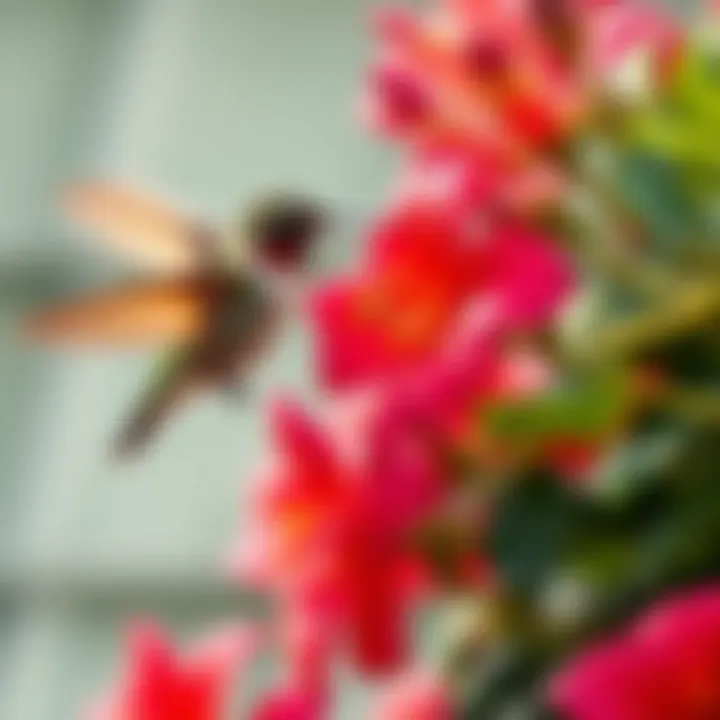
Creating a haven for hummingbirds in your garden is not just a delightful endeavor, but also an important contribution to the environment. These tiny, feathered dynamos boast remarkable abilities and play a pivotal role in pollinating a variety of flower species. They are, without a doubt, a charming sight flitting between blooms, their iridescent feathers catching the sunlight as they hover to sip nectar. As we embark on this journey to establish a perennial hummingbird garden, it is crucial to grasp their unique characteristics and behaviors, as well as the types of flora that best cater to their needs.
Animal Species Profile
Prolusion to Hummingbirds
Hummingbirds belong to the family Trochilidae, where over three hundred species exist, primarily across the Americas. With a penchant for nectar-rich flowers, they have evolved alongside their beloved flora, shaping ecosystems in a fascinating way. Understanding these exceptional creatures allows us to design spaces that not only attract them but also support their lifecycle.
Physical Characteristics and Appearance
One of the most distinctive features of hummingbirds is their ability to hover mid-air. This is due in large part to their unique wing structure, which enables rapid flapping—up to eighty times per second in some species! Their size ranges from the tiny bee hummingbird, merely two inches long, to the majestic giant hummingbird, measuring nearly a foot. The iridescence of their plumage is another jaw-dropper; it reflects light in a way that creates a dazzling array of colors, especially in species like the ruby-throated hummingbird, known for its striking metallic red throat.
Natural Habitat and Distribution
You’ll find hummingbirds primarily in regions boasting ample flowering plants and warm climates, especially in places like Central America and the southern parts of the United States. They prefer habitats such as open woodlands, meadows, and gardens that provide the nectar sources they depend upon. Seasonal migration patterns are another intriguing aspect; they travel great distances—some species traverse up to two thousand miles each year—seeking food and suitable breeding sites.
Behavior and Social Interactions
Hummingbirds are known for their aggressive territorial behavior, often engaging in aerial displays to chase off competitors. They communicate using a series of chirps and whistles, each sound conveying a different message. Interestingly, female hummingbirds are responsible for nesting and rearing young, often constructing their nests from spider silk and plant fibers, an artful feat in itself.
Conservation & Wildlife Efforts
Overview of Conservation Status
Though hummingbirds generally flourish in diverse habitats, random environmental changes—like deforestation and urban development—are putting pressure on their populations. Several species face threats categorized as near threatened or vulnerable. As their natural environments diminish, the urgency to protect their habitats has grown.
Threats to the Species
The main threats include habitat loss from agricultural expansion, climate change affecting their food sources, and pollution. Urban landscapes often lack the native flora required for nectar, forcing hummingbirds to seek nutrition in challenging locales that may not be conducive to their health.
Conservation Initiatives and Organizations
Numerous organizations advocate for the protection of hummingbirds and their habitats. The National Audubon Society and the World Wildlife Fund are pivotal in these efforts. They focus on the restoration of natural habitats and raising awareness about the importance of planting diverse, nectar-rich gardens.
Success Stories and Impact
There have been shining examples of successful conservation efforts. Initiatives in regions like the southern United States have led to the planting of native flowers, promoting increased hummingbird populations. Community projects that incorporate nectar-producing plants in urban gardens have also shown positive impacts, providing safe havens for these birds.
Unique Facts & Trivia
- Did you know that hummingbirds are the only birds that can fly backward? This unique ability helps them navigate tight spaces between flowers more effectively.
- Hummingbirds can remember every flower they visit and how long it takes for each flower to refill with nectar.
- Their heart rate can exceed 1,200 beats per minute during flight, showcasing their incredible energy and metabolic needs.
Thus, creating a perennial garden for hummingbirds is more than a beautiful display; it’s vital for the ongoing health of these marvelous pollinators. By planting the right types of flowers, maintaining an inviting environment, and advocating for the conservation of their habitats, we contribute to the flourishing of hummingbird populations.
Prologue to Perennial Hummingbird Gardens
Creating a garden that welcomes hummingbirds is a delightful journey into the world of nature. These avian marvels are not only wonderful to observe but also play a vital role in our ecological systems. The very concept of a perennial hummingbird garden extends beyond mere aesthetics; it serves as a sanctuary, benefitting both wildlife and human observers alike. This article aims to guide you through the nuanced strategies involved in cultivating such a space, emphasizing the importance of selecting the right flora and understanding the behaviors of these enchanting birds.
Incorporating a perennial garden effectively enriches the ecosystem, advocating for sustainability and biodiversity. Hummingbirds, known for their iridescent feathers and remarkable flight patterns, thrive in environments loaded with the right plants. A thoughtfully designed garden not only attracts these tiny pollinators but also creates a rich habitat for other species, from bees to butterflies. There’s a certain joy in knowing that a well-planned garden can foster such biodiversity and contribute positively to local ecosystems.
Starting with an understanding of the significance of hummingbirds in our ecosystems allows gardeners to appreciate these creatures more deeply, while defining what exactly constitutes a perennial hummingbird garden helps clarify the goals and expectations for your space. As we journey through this guide, you’ll gather insights that will empower you to transform your outdoor space into a thriving hub for hummingbirds and other wildlife.
Factors to Consider When Designing Your Garden
Creating a thriving perennial garden that attracts hummingbirds is not just about selecting the right colors and blooms; it requires thoughtful consideration of various factors. The way you design your garden can significantly affect not only the wellbeing of these birds but also the overall ecosystem. Understanding these elements helps ensure you create an inviting, sustainable space that hummingbirds, as well as other wildlife, can benefit from.
Climate and Geographic Considerations
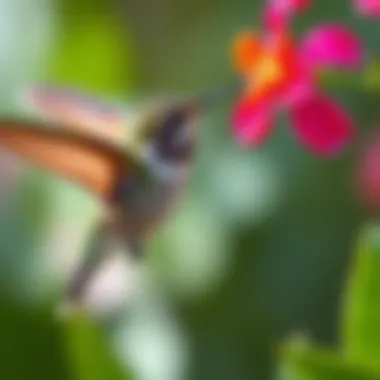
When starting your garden, first, take a step back and assess the climate in your area. Hummingbirds have specific habitat needs that vary by region. For instance, species such as the Ruby-throated Hummingbird are prevalent in the eastern United States, while the Anna's Hummingbird can often be found along the Pacific coast.
In warmer regions, consider perennial plants that thrive in heat and survive occasional dry spells. Conversely, if you reside in a colder area, ensure to select plants that can withstand frost and snow. Also, lean towards plants that are indigenous to your locality; they not only support the local hummingbird populations but also help maintain regional biodiversity.
If you're unsure about your zone, resources like the USDA Plant Hardiness Zone Map can help guide your selection process, so you plant wisely.
Sunlight and Water Requirements
Don't underestimate the vital role that sunlight plays in your garden's success. Hummingbirds are drawn to bright colors, which often correlate with sun-loving flowers. Before planting, observe how much sunlight your chosen space receives throughout the day. Many plants that attract these birds prefer full sun, which means basking under the sun for at least six hours daily.
Water is another key ingredient for a flourishing garden. Ensure you have a reliable watering system in place, especially during dry periods. Some plants are more drought-resistant than others, but all will benefit from regular, consistent watering—especially when they are young and establishing roots.
Creating pockets of moisture in your garden, perhaps through shallow dishes with stones for perching, can also provide an extra resource for thirsty hummer visitors.
Soil Composition and Preparation
The foundation of a healthy garden starts with the soil. Testing your soil composition should be a top priority, as it influences plant growth and overall garden health. Conducting a simple soil test can reveal levels of pH, nitrogen, phosphorus, and potassium, which are crucial for feeding your plants.
A good rule of thumb is to aim for well-drained soil that retains adequate moisture. You might consider amending your soil with organic matter, such as compost or aged manure, to enhance nutrient content and improve drainage.
Remember, investing in soil health is investing in the health of your garden. A well-prepared garden bed gives your plants the best chance to flourish, and in turn, attracts more hummingbirds. Taking these factors into account while designing your garden ensures you create an environment where both plants and pollinators thrive.
Choosing the Right Plants for Hummingbirds
Creating a thriving environment for hummingbirds hinges significantly on the choice of plants you incorporate into your garden. It’s not just about putting any flower in your yard—it’s about cultivating a landscape that supports their unique needs. Hummingbirds are drawn to bright colors, especially reds and oranges, which mimic the natural flora they forage for in the wild. Choosing the right plants ensures that these delightful creatures can find food, shelter, and nesting sites, making your garden a critical habitat for their survival.
When selecting plants, consider factors like blooming times and flower structures. Certain flowers are designed specifically to cater to hummingbirds, featuring tubular shapes that allow these birds to access nectar easily. The right plants not only lure these birds into your space but also promote biodiversity, attracting various insects and other wildlife, which enriches the overall ecosystem.
Flowers That Attract Hummingbirds
To create a magnet for hummingbirds, you should integrate a selection of flowers known for their appeal to these avian pollinators. Some noteworthy options include:
- Bee Balm (Monarda): With its vibrant red and purple blossoms, bee balm is not only eye-catching but also rich in nectar.
- Salvia: Whether it’s the scarlet sage or native varieties, salvia's tubular flowers are a favorite for hummingbirds.
- Trumpet Vine (Campsis radicans): This aggressive climber produces large, tubular flowers that provide a feast for hungry hummingbirds.
- Fuchsias: Often hanging or cascading, these plants bring an exotic flair along with nectar-rich blooms.
When planting, aim for clusters of these flowers. Groups are more inviting and create a vibrant spectacle, enhancing the visual appeal of your garden while serving as a beacon for the hummingbirds.
Native vs. Non-Native Plants
Understanding the distinction between native and non-native plants is vital when creating your hummingbird garden. Each type contributes differently to the ecosystem and has implications for the creatures that inhabit it.
Benefits of Native Plants
Native plants are those that grow in a specific region and have evolved alongside local wildlife. Their deep-root structures often promote healthier soil retention and provide food and shelter for various creatures, including hummingbirds.
The key characteristic of native plants is their compatibility with the local climate and soil types. They resist pests and diseases better than non-natives, reducing the need for harmful pesticides and maintenance efforts. Overall, native plants are seen as a stable choice as they require less water and are adapted to local conditions.
Additionally, native species typically bloom at the right times for local hummingbirds, ensuring they have reliable food sources throughout their migration cycles. This predictable bloom pattern creates a habitat that’s not just welcoming but essential for the success of the local hummingbird populations.
Potential Issues with Non-Native Species
While non-native plants can add diversity and color to a garden, they often come with challenges that can hinder the delicate balance of local ecosystems. One major concern is that these plants may not provide the same sustenance or shelter for local wildlife, including hummingbirds.
A key characteristic of non-native species is that they can sometimes become invasive, crowding out native flora and disrupting the habitat. This can lead to habitat loss for the very birds you are trying to attract. For instance, some non-native species might bloom at times that don't align with the natural seasonal patterns, resulting in food shortages for migrating birds.
It is crucial to balance beauty with ecological responsibility. While some non-natives bring visual appeal, their contribution to your garden's functionality will need careful consideration to ensure they serve rather than harm the native pollinator population.
Selecting Plants for All Seasons
To keep your garden inviting year-round, it's important to choose plants that bloom in different seasons. The changing of the seasons brings distinct needs for hummingbirds, and it’s your job to ensure there’s always something for them to feast on.
- Spring: Start with early bloomers like columbine and red-twig dogwood, providing meals as hummingbirds return from migration.
- Summer: As temperatures rise, plants like lantana and hydrangeas thrive, creating a robust buffet.
- Fall: As migration begins, late bloomers like goldenrod or asters become vital so hummingbirds can stock up on energy before heading south.
Incorporating this seasonal variety caters to hummingbirds’ feeding habits and encourages their year-round presence in your garden. Additionally, it creates a dynamic landscape that changes with the seasons, enriching your garden’s beauty and biodiversity.
Attracting Hummingbirds: Best Practices
Attracting hummingbirds to your garden is not just about putting out a feeder. It involves creating an inviting habitat that caters to their unique needs. Understanding how to best attract these delightful creatures can enhance your garden's biodiversity while providing you with the joy of watching them flit about. This section outlines practical approaches to draw hummingbirds in, ensuring they have all they need to thrive.
Creating Feeding Stations
Nectar Recipes
A well-crafted nectar recipe serves as the cornerstone for attracting hummingbirds. The most common mixture is simple: four parts water to one part granulated sugar, dissolved gently. This mimics the natural nectar found in many flowering plants that these birds favor. It's important to avoid using artificial sweeteners or honey, as they can harm hummingbirds.
An enticing nectar needs to be clean and fresh. Regularly replacing the mixture every few days, especially in hotter conditions, helps maintain its appeal. This attention to cleanliness fosters healthy feeding habits for the birds. Besides attracting hummingbirds, making the nectar yourself allows for a connection with your garden, fostering a more profound appreciation for wildlife.
However, do be cautious. If you overdo it with sugar, you could attract unwanted visitors, like ants or bees, who may bring their own challenges to your garden. Consider having a few feeders with different nectar recipes to see which ones the hummingbirds prefer; it’s a bit of trial and error, but the payoff is watching them thrive.
Feeder Placement Strategies
Effective feeder placement is as vital as the nectar itself. Hummingbirds prefer their feeding stations to be in open spaces where they have a clear view of approaching predators. A good strategy is to position your feeders close to native flowering plants, allowing a seamless flow from natural sources to artificial feeding. This approach not only helps the birds feel more secure but also encourages them to visit regularly.
For successful placement, choose spots that receive sunlight yet provide some shelter from strong winds. This helps keep the nectar warm, making it more appealing, and offers a refuge for the tiny birds. Additionally, hanging feeders at various heights can create a more dynamic feeding environment, allowing for both dominant and subordinate birds to access food without confrontation.
In contrast, avoid placing feeders near windows where birds might collide, resulting in injury. Similarly, keeping the feeder away from busy areas can reduce stress for the birds, enabling them to feed more comfortably. The goal should be to set your feeders where you can easily see them while offering a safe space for the hummingbirds.
Utilizing Structures for Shelter
Shelter is essential for hummingbirds, as it provides a safe haven from both natural elements and potential predators. Consider incorporating small trees, shrubs, or ornamental grasses into your garden design. These structures not only offer perching spots but also shield hummingbirds from wind and rain.
Creating a layered garden with varying heights can significantly enhance the comfort levels of hummingbirds, allowing them places to rest between feedings.
Incorporating Water Sources
Water is another critical element in attracting hummingbirds. They need water for drinking and bathing, so including bird baths or shallow basins enhances the garden's appeal while providing hydration and hygiene. Opt for water sources that have moving water, as the sound can attract these birds. Additionally, ensuring water is clean and fresh is key; regular maintenance is necessary to keep mosquitoes at bay, making sure your garden remains a safe sanctuary.
Maintenance of Your Perennial Hummingbird Garden
Maintaining a perennial hummingbird garden is not just about keeping the space visually appealing—it's about fostering a thriving environment for these delicate pollinators. Regular maintenance ensures that flora remain vibrant, inviting, and capable of supporting the hummingbird population year-round. This section emphasizes the specific elements of maintaining a hummingbird garden, focusing on regular pruning, pest management, and monitoring plant health. Ultimately, mixed with a bit of knowledge and regular care, you can sustain that hummingbird haven you’ve worked so diligently to create.
Regular Pruning Techniques
Pruning is a critical aspect of garden maintenance. It isn't just about cutting back plants for aesthetics; it's about promoting new growth and maintaining the health of your garden. Regular pruning helps to keep plants in shape, encourages flowering, and removes any dead or diseased material that might hinder the vibrant growth necessary for attracting hummingbirds. Here are some techniques to consider:
- Timing Matters: Prune when the plants are dormant, typically in late winter or early spring. This will help minimize stress on the plants and encourage a robust growth when the weather warms.
- Identify the Right Plants: Different plants require different pruning techniques. For instance, salvia does well with a hard prune, while bee balm requires more finesse. Know what you're dealing with before you reach for the shears.
- Use Sharp Tools: Clean cuts reduce the risk of disease. Always use sharp, sterilized tools to make your cuts.
- Monitor Hummingbird Activity: After pruning, keep an eye out for any shifts in hummingbird visits. If certain plants blossomed beautifully, but you noticed a drop in visitors post-pruning, consider adjusting your techniques accordingly.
Pruning is like a breath of fresh air for plants—it revives them and encourages the vibrant flowers that hummingbirds crave.
Pest Management Approaches
Pests can wreak havoc in any garden, and hummingbird gardens are no exception. While organic gardening fosters a safe haven for our little winged friends, it’s critical to approach pest management with intelligence. Implement integrated pest management (IPM) strategies, which use a combination of techniques designed to minimize harm:
- Beneficial Insects: Ladybugs, lacewings, and predatory beetles can help control pest populations naturally. Welcome them into your garden by planting flowers that attract them.
- Natural Repellents: Spraying a mixture of water and a few drops of dish soap can deter pests while being safe for the birds.
- Regular Inspections: Make it a practice to survey plants regularly. Early detection can save your garden from significant damage, especially considering that swiftly managing pests is more effective than dealing with an infestation.
- Avoid Harmful Chemicals: Avoid synthetic pesticides, as they can not only harm hummingbirds but disrupt the delicate ecosystem you’re aiming to create. Look into natural alternatives instead.
Using these approaches will help maintain a healthy garden environment while allowing hummingbirds to prosper.
Monitoring Plant Health and Growth
Keeping an eye on the health of your plants is fundamental when it comes to sustaining a rich garden ecosystem for hummingbirds. Here’s how to go about it:
- Weekly Checks: Make it a habit to walk through your garden at least once a week. Observe growth patterns, flower production, and overall vitality. If a plant is struggling, try to figure out why before it becomes an issue.
- Soil Testing: Every couple of years, analyze your soil to ensure it has the right nutrients. Hummingbirds thrive among lush, healthy plants. Soil health directly impacts the quality of flowers and their nectar production as well.
- Engage with Resources: Don’t hesitate to leverage gardening forums or local agricultural extensions. They can provide insights on any specific issues you might be encountering. Sometimes a local expert can help identify problems faster than solo research.
Regular monitoring helps you stay one step ahead. Just like a vigilant gardener, you want to be proactive rather than reactive.

Remember, a well-maintained garden is not just a space; it becomes a sanctuary for hummingbirds and a joy to the gardener alike.
Creating a rich environment takes time, but the rewards are worth the effort. Healthy plants lead to happy hummingbirds, enriching both your garden and your experience. Gardening is a cycle of care, observance, and adaptation. With these maintenance strategies, you'll nurture not only the plants but also the wildlife that make your garden vibrant.
Seasonal Considerations for Hummingbird Presence
When it comes to creating a thriving perennial garden for hummingbirds, understanding seasonal considerations is absolutely crucial. This not only encompasses the timing of plant growth and blooming but also involves the migratory habits of these fascinating creatures. By tailoring your garden to align with hummingbird migration patterns and seasonal needs, you can significantly enhance the attraction and retention of these delicate flyers during critical times throughout the year.
Understanding Migration Patterns
Hummingbirds are known for their incredible migration journeys, often traveling thousands of miles between their breeding and wintering habitats. For instance, the Ruby-throated Hummingbird, which is prevalent in North America, typically migrates from the southern United States to Central America. This journey coincides with the blooming of certain plants, providing essential sustenance during their arduous travels.
Spotting patterns in their migratory habits can help you pinpoint when to plant specific flowers in your garden. For example, planting early-blooming species like red columbine or hummingbird sage can provide a critical food source for these birds when they first arrive in the spring. Generally, most hummingbirds return around late March to early April, so being proactive about your planting will help you greet them with a welcoming buffet of nectar-filled blooms.
Moreover, understanding the timing of migration can clue you in on possible shifts in weather patterns. Changes in temperature and precipitation often affect a bird's migration schedule. Keeping abreast of local weather forecasts and hummingbird sightings in your area can also be beneficial for knowing when to prepare your garden.
Seasonal Planting Strategies
To keep your garden buzzing with hummingbirds throughout the seasons, a strategic approach to planting is essential. Selecting plants that not only thrive in your climate but bloom at different times creates a continuous nectar supply. Here are several considerations to keep in mind when planning your seasonal garden:
- Early Spring Planting: Choose perennials that bloom early in the season. Flowers like bleeding hearts or trumpet vine can entice hummingbirds as they return from migration.
- Mid-Summer Selections: During this time, focus on vibrant options like bee balm or explosion lily that provide essential sustenance.
- Autumn Balance: As summer fades, ensure your garden has plants, such as anise hyssop, that can bloom late into the year. This helps cater to the last migrating birds before they leave for warmer climates.
Incorporating seasonal strategies not only helps to sustain the hummingbird population through critical phases but also enriches the overall biodiversity of your garden. Additional factors like rotating plants, ensuring a consistent watering schedule, and employing a harmonious color palette can also elevate your garden's appeal both to pollinators and yourself.
"Creating habitats that take into account seasonal behaviors ensures a richer ecological interaction and a long-term relationship with hummingbirds."
By mapping out these seasonal considerations, you can design a garden that sings with life. The unique interplay between the natural world and our cultivated spaces offers a chance to make a meaningful impact on the environment. Adapting to the rhythms of nature benefits not only hummingbirds but creates a more vibrant and sustainable ecosystem.
Impact of Urbanization on Hummingbird Populations
Urbanization significantly alters the landscapes hummingbirds depend on for survival. As cities expand, natural habitats get replaced by concrete jungles, affecting the rich diversity of flora that these fascinating birds rely on. This shift can lead to numerous challenges in the intricate relationship between plants and their feathered pollinators.
Habitat Loss and Fragmentation
Hummingbirds thrive in environments where they can find abundant nectar and shelter. Unfortunately, the relentless march of urban development is leading to habitat loss. Forests, grasslands, and wetlands that previously hosted a variety of flowering plants are now becoming scarce. This situation not only deprives hummingbirds of essential food sources but also fragments their living spaces.
When habitats are fragmented, hummingbirds may find it difficult to navigate between feeding areas and nesting sites. For example, a once lush garden might be surrounded by asphalt and buildings, making it a struggle for them to reach other necessary resources. Fragmentation can decrease genetic diversity within bird populations, which can ultimately affect their resilience to diseases and environmental changes.
While some species have adapted to urban environments, many hummingbirds are not built for the hustle and bustle of city life. They prefer areas with trees, shrubs, and wildflowers. Therefore, introducing native plants can help offset the negative effects of urbanization. Species like trumpet vine and bee balm can be a game-changer in urban spaces, providing much-needed sustenance for these birds while also beautifying the surroundings.
Community Efforts in Conservation
Despite the challenges posed by urban development, communities can play a vital role in conservation efforts aimed at preserving hummingbird populations. Grassroots initiatives can create awareness about the plight of these birds, fueling a collective commitment to protect their habitats.
Neighborhood groups can organize planting days that focus on introducing native flora into parks, gardens, and public spaces. This not only aids in providing food sources for the hummingbirds but also fosters community bonding.
"One small seed can create a garden fit for hummingbirds, transforming an urban oasis into a thriving habitat."
Moreover, educational programs can be established in schools to teach children the importance of pollinators, thus encouraging a new generation of environmentally conscious citizens. Workshops on sustainable gardening practices can also equip homeowners with the necessary skills to create hummingbird-friendly environments, even amid urban settings.
In addition, collaboration with local governments can further amplify these conservation efforts. Policies that promote green spaces in urban planning can establish corridors for hummingbirds and other wildlife, creating a balance between urbanization and nature.
The End
In wrapping up our exploration of perennial hummingbird gardens, it’s crucial to emphasize the sustained joy and benefits these gardens bring not just to the feathered visitors but also to the gardeners themselves. Establishing a garden designed with hummingbirds in mind is more than just an aesthetic pursuit; it's an investment into a dynamic ecosystem that thrives over time. A well-planned garden fosters a sense of connection, meshing natural beauty with ecological responsibility.
The Long-Term Joy of Hummingbird Gardening
Creating a hummingbird-friendly environment cultivates both delight and a sense of achievement. Imagine stepping into your garden and witnessing these tiny dynamos flitting about, their vibrant plumage gleaming in the sunlight. Beyond mere enjoyment, there are several vital aspects to consider regarding the long-term impact of hummingbird gardening:
- Sustaining Biodiversity: Introducing various native plants encourages the natural balance within your garden, ultimately supporting not only hummingbirds but also other beneficial creatures such as bees and butterflies.
- Ecosystem Benefits: Hummingbirds play a pivotal role as pollinators. Their foraging habits promote plant reproduction, enhancing the overall health of plant life in your garden and its surroundings. This interconnectedness highlights how we all share responsibility for nurturing the environment.
- Continual Learning: By observing the behavior of hummingbirds and other wildlife, gardeners gain valuable insights into natural processes and cycles. This ongoing education deepens one’s connection to nature and offers a rounded perspective on environmental stewardship.
- Seasonal Adaptability: A well-planned garden can adapt with the seasons. By selecting a diverse range of plants that bloom at different times of the year, gardeners can provide consistent food sources for hummingbirds year-round. This annual rhythm adds layers of beauty and yields ample opportunities for observation and enjoyment.
"Gardening with purpose transforms an ordinary garden into a sanctuary for both the gardener and the wildlife it nourishes."
The long-term joy of hummingbird gardening lies in its ability to create a lasting habitat that thrives, providing both nourishment and beauty. As such, dedicated effort and thoughtful planning can result in an enduring legacy that fosters a rich tapestry of life, drawing not just hummingbirds but also creating a flourishing environment for all forms of wildlife.
In this way, we can cultivate gardens that not only bring us happiness but also honor the delicate ecosystems in which we are all interconnected.