Understanding Koi Fish Treats for Optimal Health
Intro
Koi fish are a vibrant and beloved part of many gardens and ponds. This dedicated exploration of koi treats is all about enhancing the diets of these colorful aquatic pets. Just like how we humans get excited about a delicious snack, koi enjoy a variety of treats that not only add flavor to their meals but also offer essential nutrients. Let's dive deep into what makes these treats so special, and how they contribute to the overall health and well-being of our finned friends.
Animal Species Profile
Intro to the animal species
Koi, scientifically known as Cyprinus rubrofuscus, are ornamental varieties of the common carp. Originating from East Asia, particularly Japan, koi have become a symbol of luck and prosperity in many cultures. These fish have been selectively bred for their vibrant colors and patterns, making each one a unique spectacle in any water feature.
Physical characteristics and appearance
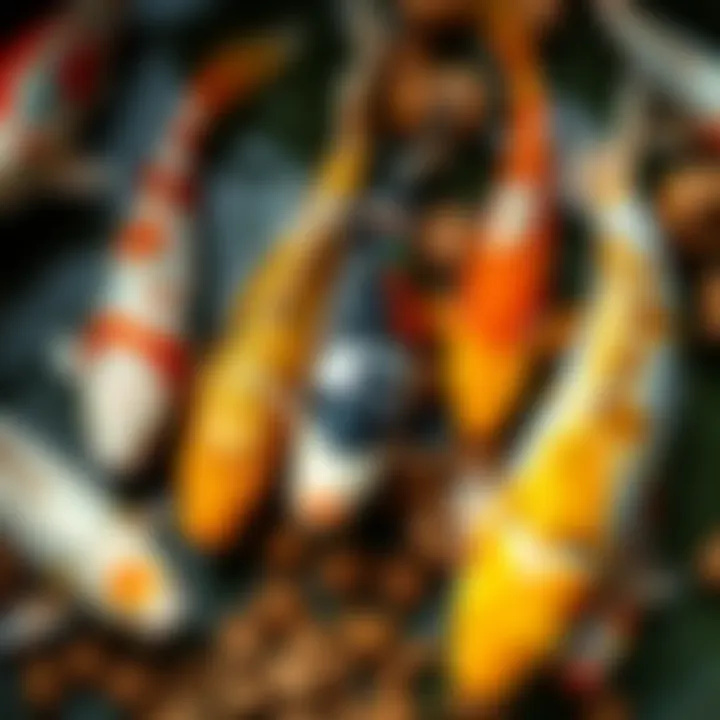
Koi can come in an array of colors, such as orange, white, black, and blue, often with distinctive markings. They can grow to impressive sizes, some reaching over three feet in length, depending on their environment. Their bodies are elongated, with a flowing tail that adds to their gracefulness as they glide through water.
Natural habitat and distribution
In the wild, koi fish are commonly found in large freshwater habitats such as rivers, lakes, and ponds. They prefer slow-moving water with abundant vegetation. In addition to their native environments in East Asia, koi have been introduced around the globe, thriving in backyard ponds and public aquatic exhibits, where they can be admired by many.
Behavior and social interactions
Koi are social creatures, often found swimming in schools. They communicate through a combination of body language and subtle vocalizations. During feeding times, koi display both assertiveness and cooperation, nudging each other to establish feeding order. This social dynamic not only highlights their intelligence but also underscores the importance of keeping them in groups for their well-being.
Importance of Koi Treats
Koi treats serve more than just a supplementary role in their diets—they're a way to ensure that these fish maintain vibrant colors and exhibit optimal health. While traditional koi food provides the basics, treats can contribute to their overall vitality and longevity.
Here's why understanding koi treats is crucial:
- Enhances diet variety.
- Supports health with essential nutrients.
- Encourages natural foraging behaviors.
- Strengthens the bond between koi and their owners.
”Feeding koi is not just about sustenance; it's an opportunity to engage with your pets and promote their health.”
Types of Koi Treats
There are several types of koi treats available, and each brings different benefits to your fish's diet. Here’s a quick overview:
- Pellets: Specially formulated to supplement regular koi food, often fortified with vitamins.
- Freeze-Dried Foods: Options like bloodworms or shrimp that mimic their natural diet.
- Fruits and Vegetables: Things like peas, lettuce, or watermelon can be offered occasionally for added variety.
- Homemade Treats: Some koi enthusiasts go the extra mile, creating their own recipes that suit their fish's tastes and needs.
The right choice depends on your koi’s preferences and dietary requirements. It's invaluable to consider their health while choosing treats, ensuring they get a balanced assortment.
Practical Feeding Considerations
Understanding how to feed koi treats properly is just as important as knowing the types. Here are some best practices:
- Moderate Portion Sizes: Treats should only make up about 10% of their diet.
- Temperature Matters: When feeding during colder months, be mindful of their reduced metabolic rates.
- Observation is Key: Keep an eye on how your koi respond to different treats, adjusting your choices accordingly.
Feeding koi can be a joyful experience that fosters interaction and bonding. With careful thought about what and how they eat, you're well on your way to promoting their health and dazzling appearance.
In summary, understanding koi fish and their treats enriches the overall experience of koi ownership. This knowledge not only propels their health but also enhances the joy that these magnificent creatures bring to our lives.
The Role of Treats in a Koi's Diet
Treats play a significant role in the diet of koi fish, functioning not merely as a form of indulgence but as a vital component in ensuring their overall health and vitality. Feeding koi treats is not just about keeping them entertained; it's a way to enhance their diet and support their nutritional needs. Koi owners must recognize that treats serve various purposes, from fostering social behavior to bridging dietary gaps that commercial feeds may leave open.
Understanding Nutritional Needs
Every koi fish has distinct nutritional requirements. They thrive on balanced diets rich in proteins, fats, carbohydrates, vitamins, and minerals. Understanding these needs translates to better health and more vibrant colors. For example, the presence of proteins is crucial in supporting growth and muscle development. Conversely, certain vitamins, like Vitamin C, are essential for metabolic functions and immune system support.
To get a grip on their dietary essentials, koi enthusiasts should consider the following:
- Protein Sources: Koi benefit from high-protein treats, especially during their growth phase. Integrated treats containing freeze-dried insects or worms can significantly boost their protein intake.
- Fat Content: Omega fatty acids, found in specific treats, can promote healthy skin and scales.
- Vitamins and Minerals: A good mix of treats provides essential nutrients that promote overall health. If a koi appears lethargic or its coloring seems dull, it might signal a deficiency in its diet.
Koi owners should be mindful to enrich their treats with nutrients that align with the needs of their fish, ensuring they remain strong and vibrant.
The Importance of Variety
Incorporating a variety of treats into a koi’s diet can lead to improved health and more engaging feeding times. Koi, being naturally inquisitive, often display better behavior when presented with different food options. Just imagine them darting around excitedly at the surface when a platter of assorted treats hits the water, a spectacle that effortlessly brings joy to any koi lover.
There are several key reasons why variety matters in koi treats:
- Preventing Boredom: Repetitive feeding of the same treats can dull a koi’s enthusiasm. Regular changes keep their spirits high and active.
- Balanced Nutrition: Different treats provide distinct nutritional profiles. A mix can ensure that koi receive a broader spectrum of nutrients.
- Encouraging Natural Behavior: Some treats can mimic natural food sources koi might find in the wild. For instance, offering vegetable-based treats alongside protein-rich options prompts foraging behavior, enriching their daily activity.
To sum up, a well-rounded diet filled with variety not only supports physical health but contributes to the overall well-being of koi, promoting a more dynamic and fulfilling life in the pond.
Types of Koi Fish Treats
Understanding the different types of koi fish treats is integral for any koi owner keen on maintaining the health and vibrancy of their aquatic companions. Treats not only serve as a nutritional boost but also play a crucial role in enriching the koi's environment. Each type, whether it's commercially available, homemade concoctions, or seasonal delicacies, offers distinct advantages and considerations. By exploring these options, koi keepers can provide a varied diet that ensures their fish remain robust and lively.
Commercially Available Treats
Commercial treats for koi fish often promise a quick and easy way to enhance their diet. These products typically include pellets that are designed to meet the nutritional needs of koi, packed with essential vitamins and minerals. They come in various forms, such as sticks, flakes, and even freeze-dried insects, tailored to appeal to koi’s taste.
When considering these treats, one should be mindful of their composition. Not all commercial options are created equal. Some could be loaded with fillers and artificial colors that do little for the health of the fish. Selecting high-quality brands with good reputations is paramount. Look for products that list ingredients transparently, providing assurance that they contain the vital nutrients koi require.
"A happy koi is a well-fed koi, so treat them right with nutritionally sound choices!"
Homemade Treats: A DIY Approach
Crafting homemade treats for koi can be both rewarding and beneficial. This DIY approach allows you to exert complete control over the ingredients, ensuring that your koi receive natural and wholesome nourishment. Common ingredients include vegetables like peas, zucchini, and spinach, which can be finely chopped and even blanched for easier digestion.
Additionally, you might consider incorporating things like gelatin, which can help bind the ingredients together while providing a fun texture for your koi. A simple recipe could involve mixing chopped vegetables with some crushed fish flakes, pressing them into molds, and freezing them for later use.
Opting for homemade treats means being attentive to your koi's unique preferences. Some fish might favor certain flavors over others, so it’s worth experimenting. This personal touch not only caters to their palate but also fosters a deeper bond between you and your koi as they recognize the effort you put into their feeding.
Seasonal Treats for Koi
Koi also enjoy a variety of seasonal treats that celebrate the changing seasons. When spring rolls around, for instance, the water temperature rises, and koi become more active. This is an excellent time to offer seasonal protein-rich foods like freshly caught insects or worms. Koi instinctively seek out these protein sources in their natural habitat, making them an excellent addition to your feeding regimen.
In summer, when pond temperatures are high, you can include seasonal fruits such as watermelon or cantaloupe. Chopped into bite-sized pieces, these treats can be a refreshing snack. However, moderation is key, as too much fruit can also upset their stomachs.
As the leaves start falling in autumn, bringing rich hues and cooler waters, the focus shifts back to stabilizing their diet. During this time, consider treating your koi with hearty homemade dishes that include cooked grains and soft vegetables. Adjusting treats based on the season keeps the feeding experience rich and engaging for your koi, mirroring what they might encounter in their natural surroundings.
Popular Options for Koi Treats
When it comes to fostering the health and happiness of koi, the types of treats available play a significant role. Choosing the right options can enrich their diet, energize their activity levels, and keep their colors vibrant. This section delves into popular choices available to koi owners, breaking down the benefits and considerations of each type, ensuring that every koi has a delicious and healthy experience.
Freeze-Dried Insects and Worms
Freeze-dried insects, including mealworms and black soldier fly larvae, are sought after for their crunch and flavor appeal. These treats pack a nutritional punch, rich in protein that's essential for growth and overall vitality. Not only do they serve as an enticing meal, but they also mimic what koi might find in the wild, tapping into their natural foraging instincts.
However, it's worth mentioning that not all freeze-dried products are created equal. Some brands add fillers or preservatives which can undermine the health benefits. Therefore, it’s crucial for koi owners to scrutinize ingredient labels. Always opt for products that list freeze-dried insects as the primary ingredient without unnecessary additives. One potential drawback, though, is that excessive feeding can lead to an imbalance in nutrition if not moderated. ”Less is more,” rings true here.
Vegetable-Based Treats
Koi are quite omnivorous, with a palate that can enjoy a variety of flavors, especially vegetables. Treats such as spirulina, peas, and even leafy greens like lettuce provide important dietary fiber and essential vitamins. These can effectively contribute to digestive health, ensuring koi remain active and lively. Vegetable-based options are particularly beneficial during warmer months, as koi often seek different textures and flavors, providing them a much-needed change from their regular pellets.
In providing these treats, it’s best to introduce them gradually. Koi can be particular, and sudden changes in diet might lead to rejections. Chopping the veggies finely or even slightly steaming them can enhance taste and ease of consumption. However, be cautious about the potential for uneaten greens settling in the pond, which could affect water quality.
Specialty Pellets and Flakes
Specialty pellets and flakes are convenience at its best. Crafted to cater specifically to koi, these products often boast a balanced formula designed to enrich their diet systematically. Many of these treats are fortified with essential vitamins, minerals, and even color enhancers, contributing positively to koi’s overall health and appearance.
Various brands offer distinct formulas tailored for different seasons or particular health benefits, such as growth promotion or immune support. The great thing about these specialty foods is their ease of use – simply tossing a few into the pond can bring all koi to the surface in anticipation. Yet, much like all treats, moderation is key. Too many specialty pellets can lead to overfeeding, impacting water quality and the koi’s own health in the long run. Thus, a balanced approach is essential.
"Choosing the right Koi treats can make a world of difference in their overall growth and well-being."
In summary, the world of koi fish treats is diverse and brimming with choices, each offering unique benefits. Understanding the variety of available options allows koi enthusiasts to make informed decisions, enhancing their pets' quality of life and maintaining a healthy ecosystem in their ponds.
Nutritional Benefits of Koi Treats
Understanding the nutritional benefits of koi treats is essential for any koi owner looking to enhance the wellbeing of their aquatic companions. Treats can offer specific vitamins and minerals essential for growth, help in balancing the diet, and promote overall health. When incorporated wisely into their diet, these treats can turn everyday feeding into a more nutrient-rich experience for koi fish.
Key Vitamins and Minerals
Koi fish, just like any other living creature, thrive on a diet rich in vitamins and minerals. The right mix not only supports their vibrant colors but also fortifies their internal systems. Important vitamins for koi include:
- Vitamin A: Crucial for maintaining healthy vision and immune function. Sources include certain insects and vegetable-based treats.
- Vitamin C: Plays a critical role in collagen formation and immune defense. It's found in various plant materials and some pest food options.
- Vitamin D: Enhances calcium absorption, vital for bone health and overall development. Including treats with sufficient levels is vital, especially when the koi are outside and exposed to sunlight.
Minerals like calcium, phosphorus, and magnesium also play pivotal roles. For example, calcium is essential for skeletal health, and a deficiency can lead to deformities. A proper balance helps in strengthening their scales and facilitating growth.


Protein Content and Growth
Protein stands as one of the cornerstones in a koi's diet. Koi fish require protein for muscle development and energy, especially when they are young and growing. When selecting treats, it’s important to look for those high in protein content. Freeze-dried insects, such as crickets or mealworms, provide abundant protein and mimic their natural diet.
A good rule of thumb is to ensure koi diet comprises between 30% to 40% protein for optimal growth and vitality. Conversely, low-protein diets can result in stunted growth, lack of energy, and a host of developmental problems. Some popular protein-rich treats include:
- Fish meal: A high-protein source often found in specialized koi food.
- Insects: Great for protein as well as other beneficial nutrients.
- Spirulina: Not only is it a protein powerhouse, but it also provides essential amino acids for overall growth.
Impact on Immune Function
Feeding koi fish the right treats can have a notable impact on their immune system. A well-rounded diet, enriched with vitamins, minerals, and protein, aids in building strong resistance against diseases. Ingredients like spirulina also contain antioxidants that combat free radicals, further boosting the fish’s immune response.
Moreover, maintaining water quality is closely linked to the foods koi consume. Using high-quality treats ensures less organic waste, which can otherwise degrade water conditions and lead to stress or illness in fish.
"Investing in quality treats equals investing in the health of your koi."
Some signs to look out for that may indicate immune issues include lethargy, odd swimming patterns, or changes in feeding behavior. Regularly monitoring koi and adjusting their treats based on their health can encourage a healthy, vibrant life in your koi pond.
Feeding Practices and Considerations
Feeding koi fish involves far more than simply tossing in a handful of pellets. It's a science intertwined with art, as improper feeding can lead to various health issues. Understanding the nuances of koi feeding practices is crucial for maintaining vibrant, healthy fish. This section explores essential aspects, benefits of proper feeding routines, and considerations to keep in mind.
How Much Treat to Offer
Determining the right amount of treats for your koi is paramount. Overindulgence may lead to health problems. Generally, it's suggested to give them treats in moderation. A good rule of thumb to follow is that treats should not exceed 10-15% of the total diet. This ensures they still receive nutrients from their primary food sources.
When you pour in treats, take a moment to observe. If your koi quickly scarf them down, it might mean you offered too much. Koi are intelligent and can get quite accustomed to a feeding routine, so altering the quantity can sometimes keep them engaged. A little experiment with amounts can go a long way in maintaining their interest in both treats and main diets.
Timing and Frequency of Treats
Timing can be as critical as amount when it comes to koi feeding. Koi are opportunistic feeders and tend to be more active during certain times of the day. Early morning and late afternoon are usually prime feeding windows. Offering treats during these periods can create a more natural feeding experience, making it enjoyable for both the fish and their caretaker.
Consistency is key. If you establish a schedule, koi will begin to anticipate feedings, and this can lead to better overall health. Here’s a guide on how often to offer treats:
- Once daily for regular treats
- A few times a week for richer treats like freeze-dried insects or store-bought specialty items.
Keep in mind to avoid feeding during times of temperature fluctuations, especially if you live in areas with varying climates. Too many treats at the wrong time may upset koi’s digestive systems.
Avoiding Overfeeding and Its Consequences
Overfeeding may seem harmless, but it can have serious repercussions. Koi fish have no natural limits when it comes to eating, so it's on us to set boundaries. Some possible consequences of overfeeding include:
- Water Quality Issues: Excess food can lead to poor water quality and increase harmful bacteria, negatively affecting the koi's health.
- Obesity: Just like with humans, too many treats can cause weight gain in koi, leading to sluggishness and decreased overall vitality.
- Digestive Problems: Overeating can lead to internal issues like constipation or swim bladder disorders.
If you notice koi rising to the surface and behaving lethargically after feeding, it may be time to reassess their diet and portion sizes.
In essence, a well-thought-out feeding regime not only nourishes the koi but also contributes to a harmonious aquatic environment. It’s truly a comprehensive approach to aquaculture.
Potential Risks of Koi Treats
When it comes to feeding koi fish, many enthusiasts often focus on which treats are the best, how to provide a balanced diet, or the proper feeding schedule. However, diving into the realm of treats also brings forth certain risks that can be detrimental to our aquatic friends. It's crucial to understand these potential drawbacks to ensure that our koi remain healthy and vibrant, avoiding unnecessary hazards. After all, a treat should delight, not distress.
Allergies and Sensitivities
Just like humans, koi can experience allergies and sensitivities to certain foods. These reactions can range from mild to severe and manifest themselves in various ways. A koi fish might display signs such as skin irritation, bloating, or even changes in behavior when exposed to ingredients they cannot tolerate. Common culprits include certain proteins or additives in commercially made treats. For example, some koi may react negatively to shrimp or soy meal. It’s essential for koi owners to:
- Monitor their fish for any unusual behavior after introducing new treats.
- Start with a small quantity of any new treat and observe for allergic reactions.
- Keep track of which treats cause adverse effects, ensuring they are avoided in the future.
If symptoms arise, it's prudent to stop feeding the suspected treat and consult a veterinarian specializing in aquatic life. Doing this can prevent potential health issues down the line.
Water Quality Considerations
Feeding koi fish treats isn't just about what goes into the fish, but also how those treats impact the environment they inhabit. Poor water quality is often an overlooked consequence of overfeeding treats or feeding inappropriate ones. Treats can break down in the water, leading to:
- Increased nitrate and phosphate levels, which could foster algae growth, affecting the aesthetic and health of the pond.
- Food particles contributing to cloudy water or creating an unappetizing environment for koi to thrive in.
To mitigate these risks, koi owners should:
- Establish a routine for testing water quality, focusing on parameters like ammonia, nitrites, and nitrates.
- Make sure to only feed as much as koi can consume in a short time, reducing leftover waste.
- Consider investing in high-quality treats that are less likely to pollute the water.


"A clean pond is a happy pond, and a happy pond means happy koi. Never underestimate the impact of your koi's dietary choices on their home."
By being cognizant of potential risks associated with koi treats, owners can provide a more balanced and health-conscious diet, ensuring their fish remain vibrant, energetic, and free from complications.
Selecting High-Quality Treats
Selecting high-quality treats for koi fish is not just about picking something that seems delicious—it’s a fundamental aspect of koi care that can significantly impact their health and wellbeing. The quality of treats plays a crucial role in the overall diet and nutrition of these aquatic pets, and it requires a careful eye and a little bit of knowledge. Understanding what constitutes high-quality koi fish treats can be the difference between a thriving koi or one that's struggling with health issues.
The choices pet owners make concerning koi treats can affect various factors from growth rates to immune function. Getting it right means looking a bit closer than just the bright packaging. Thus, evaluating the ingredients and nutritional values presents a solid foundation for ensuring that koi get the best possible treats.
Reading Ingredient Labels
A good starting point when choosing treats is the ingredient label. Similar to food for humans, the first step in identifying high-quality koi treats is determining what’s actually in them. Ingredients should be listed in order by weight. The first few ingredients usually make up the bulk of the product, so look for items like whole fish, shrimp, or vegetables as primary components.
- Natural Ingredients: High-quality treats often list natural ingredients that are easily recognizable. Ingredients such as freeze-dried bloodworms or spirulina can be indicators of a nutritious option.
- Avoid Fillers: Watch out for fillers like corn or wheat gluten. These often provide little nutritional value to koi and could potentially cause digestive issues.
- Preservatives and Additives: It's also important to steer clear of artificial preservatives and colors. Too many additives might mean that manufacturers are compensating for poor quality. Ingredients like ethoxyquin or BHT are best avoided, as they may raise health concerns over time.
By keeping an eye on the ingredient list, koi owners can make informed choices, ensuring their pets receive quality and nutrition in each treat they get.
What to Avoid in Fish Treats
When selecting koi fish treats, not everything labeled as good-for-koi actually is. Being aware of what to avoid can save koi owners from potential pitfalls. Here are some things that should definitely be crossed off the list:
- High Carbohydrate Treats: While some carbs are fine, excessive amounts can lead to obesity and related health problems in koi. Treats high in bread products or other starches should be low on your priority list.
- Imported Treats with Unclear Sourcing: Imported treats may contain unknown chemicals or may not meet the same safety standards as local options. It’s wise to consider domestic options with established quality control.
- Byproducts: Items listed as "fish meal" or "poultry byproduct" often indicate lower-quality sources and should be approached cautiously.
- Non-Specific Labels: Products that don’t specify the type of fish or meat used can be red flags. Always look for specificity, as vague terms often mask lower-quality ingredients.
In sum, making informed choices when it comes to koi treats is paramount. Uncovering high-quality treats through knowledge and vigilance reinforces the care that koi owners provide, contributing to the long-term happiness and vitality of these beloved fish. By integrating careful selection practices into one’s feeding routine, koi enthusiasts can help ensure that their aquatic friends lead vibrant and healthy lives.
"Choosing the right treats is to koi what picking the right fuel is to a high-performance car. Quality counts."
For further readings or to dive deeper into koi care, you may check out resources on Britannica or Wikipedia.
Sourcing Treats for Your Koi
When it comes to keeping koi fish happy and healthy, sourcing the right treats is a vital piece of the puzzle. Treats serve not only as rewards but also as dietary supplements that can enhance the overall well-being of your koi. The quality and variety of treats you provide directly influence their health, activity levels, and even their color vibrancy.
Careful sourcing means considering both availability and quality. Understanding where to find the best options—be it from local pet stores or the sprawling digital aisles of online retailers—can make a significant difference in your koi's diet.
Local Pet Stores vs Online Retailers
Local pet shops function like the neighborhood market for koi owners. They usually stock a range of koi treats, offering the unique advantage of being able to see the products firsthand. You can chat with the staff, ask questions, and get immediate recommendations based on their experience. This face-to-face interaction often leads to discovering local brands that may not be widely available elsewhere.
However, local shops can sometimes have limited availability, especially for specific or niche treat types. Prices might also be a bit on the high side due to overhead costs.
On the flip side, online retailers, like Chewy or Amazon, afford a broader selection. With just a few clicks, you can find treats from all over the world. Often, this translates to better price points as many online stores offer sales or discounts. Also, customer reviews can help inform your choices—highlighting popular or high-quality options that locals might not even know about.
You might face drawbacks like potential shipping fees or wait times. In extreme cases, the actual product might differ from what is shown online, but this can often be mitigated by reading thorough product descriptions and customer feedback.
Cost Considerations
When thinking about sourcing those delectable treats for your koi, cost is always part of the picture. Treats might seem like an afterthought, but they can add up quickly. Here's a quick breakdown of factors to keep in mind:
- Quality vs. Price: Cheaper treats might save you money in the short run, but they can lack nutritional value, which is counterproductive.
- Bulk Buying: Some vendors offer discounts for purchasing in larger quantities, which can be a savvy move if you have multiple koi or want to ensure you've got various treats on hand.
- Comparative Shopping: Don’t settle for the first price you see. Browsing a few stores—both local and online—can reveal significant differences in price.
As you contemplate your choices, remember this nugget: what you invest in your koi's treats isn’t just about food; it reflects your commitment to their health and happiness in the long run. Looking out for the best deals, while ensuring nutritional quality, positions you as a conscientious koi owner who prioritizes their aquatic companions' needs.
A wise koi owner once said, "Treats are not just for fun; they are part of a well-balanced diet that keeps my koi swimming with joy and health!"
End: The Role of Treats in Koi Care
In exploring the world of koi fish treats, it's easy to overlook their significance in the overall diet and well-being of these aquatic beauties. Treats are not just occasional indulgences; they play a pivotal role in enriching the lives of koi. They can foster better health, assist in growth, and even contribute to a more interactive experience between the koi and their owners. By emphasizing quality and appropriate quantities, koi treats can seamlessly fit into a balanced diet, catering to the specific dietary needs of these fish.
When considering the nutritional aspect, treats should complement the primary diet rather than serve as a replacement. A well-crafted combination ensures koi receive adequate protein, vitamins, and minerals, which are crucial for optimal growth and color vibrancy. Providing treats can also be an avenue for rewarding positive behaviors, making interactions more enjoyable and fostering a connection that benefits both koi and keeper.
Knowing when and how to use treats in your koi's diet isn’t merely about spoiling them. Done right, it’s about building a healthier and happier life for your fish.
Balancing Treats with Regular Diet
Finding the right balance between treats and regular food is an essential aspect of koi care. Too many treats can lead to nutritional imbalances and health problems, so it's crucial to strike that delicate harmony. Koi, like any other pet, thrive on routine. Integrating treats into their diet should be done in moderation, ensuring they still receive their staple foods, which provide the foundation of essential nutrients.
An effective method is to consider the treats as supplements to their standard diet. For instance, if a koi's main diet is high-quality pellets, then the occasional offering of freeze-dried insects or fresh vegetables can be a healthy addition. Keeping track of portions can help prevent overfeeding, which can lead to issues such as obesity and poor water quality due to uneaten food decomposing in the pond.
Encouraging Healthy Feeding Habits
Part of being a responsible koi owner is to develop healthy feeding habits that not only benefit the fish but also create a sense of stability in their environment. Koi can be trained to respond to feeding times, creating a kind of routine that they can rely on. By implementing a consistent schedule for both their regular diet and treats, koi can develop a predictable feeding behavior, which helps ease any anxiety they might experience in their habitat.
Encouraging healthy feeding practices extends beyond the menu choice. It also involves ensuring that treats are offered in ways that engage and stimulate the koi. For example, using feeding rings or scatter feeding can promote natural foraging behavior, mimicking their lifestyle in the wild and making treat time more exciting.
In summary, treats hold significant value in koi care, serving as tools for enhanced health, stimulating interaction, and enriching the overall environment. By understanding how to manage this delicate balance, koi owners can cultivate a thriving aquatic habitat that delights both the fish and their caregivers.