Exploring the Crisis of Endangered Aquatic Species

Intro
The delicate balance of aquatic ecosystems hinges on a myriad of species, some of which are on the brink of extinction. When we look closely, it’s clear that the plight of endangered water species isn’t just a concern for conservationists; it’s a call to action for all who rely on the health of our planet’s waters. This article engages with the intricate world of these organisms, shedding light on their significance, the threats they encounter, and ongoing conservation initiatives aimed at revitalizing their populations. By understanding the challenges and the importance of these species, we not only secure their future but also the wellbeing of the ecosystems where they thrive.
Animal Species Profile
Intro to the animal species
Aquatic species come in various forms, from the tiniest fish in freshwater streams to the majestic blue whale roaming the oceans. Each species plays a unique role in its ecosystem by maintaining the health and balance of its environment.
Physical characteristics and appearance
Distinctive features define these species. For instance, the California condor, though predominantly a bird, is often found near water bodies. Its wingspan can reach up to ten feet, which is quite an impressive sight. Meanwhile, salmon display a colorful transformation as they migrate to spawn, turning from silver to bright hues.
Natural habitat and distribution
Habitat varies widely among water species. Some thrive in brackish waters like the Estuarine Crocodile, while others prefer the icy depths of the Arctic, such as the narwhal. Their geographical distribution often hints at their adaptability and resilience, but also highlights the limited range of some endangered species, making their conservation efforts all the more crucial.
Behavior and social interactions
Behavior is equally as fascinating. For example, dolphins are known for their social systems, often living in pods where complex social structures exist. They communicate with clicks and whistles, showcasing an advanced level of intelligence. Conversely, certain species of frogs exhibit solitary behavior, only coming together during mating seasons.
Conservation & Wildlife Efforts
Overview of conservation status
The conservation status of endangered water species fluctuates widely. The IUCN Red List categorizes these species based on various levels of risk, ranging from vulnerable to critically endangered. This classification is pivotal for directing conservation resources effectively.
Threats to the species
Numerous threats contribute to the precarious situation of these species. Deforestation, pollution, and climate change are top contenders, leading to habitat destruction and altered water temperatures. Overfishing also plays a significant role, particularly for fish species like cod, which are essential for their ecosystems.
Conservation initiatives and organizations
Numerous organizations focus on the conservation of these species. For example, the World Wildlife Fund (WWF) actively participates in restoring habitats and fostering sustainable fishing practices. Collaboration between local communities and conservationists is a key strategy here.
Success stories and impact
Not all is doom and gloom; there are success stories that inspire hope. The rescue of the California condor is a testament to dedication and effective conservation strategies. Once on the brink of extinction, targeted breeding programs have helped their populations bounce back considerably, though challenges remain.
Unique Facts & Trivia
Little-known facts about the animal
Many aquatic species have intriguing attributes that go unnoticed. Did you know that the sea otter has the densest fur in the animal kingdom? This adaptation helps them maintain warmth in frigid waters.
Surprising behaviors or adaptations
Some species have developed remarkable adaptations. The anglerfish, for instance, utilizes a bioluminescent lure to attract prey in dark depths, demonstrating a brilliant evolutionary tactic.
Fun trivia and quirky behaviors
Behaviorally, some water species present intriguing oddities. For example, pufferfish can inflate to a size substantially larger than their original form when threatened—a unique defense mechanism.
Record-breaking feats or abilities
In terms of capabilities, the humpback whale is known for its long migratory journeys, often spanning over 3,000 miles. Such feats highlight the incredible endurance and navigational skills these species possess.
Pet Care & Tips
Choosing the right pet for your lifestyle
Understanding the species you’re interested in as a pet is fundamental. Consider species like betta fish for those with limited space. Their vibrant colors and minimal care requirements make them suitable for small aquariums.
Basic care requirements and habitat setup
Setting up a habitat for aquatic pets is crucial. For instance, goldfish require ample space and clean water to thrive, and their tanks should mimic natural environments to promote healthy growth.
Health and wellness tips for pet longevity
Regular monitoring of water quality and temperature will minimize health issues in aquatic pets. This practice not only promotes their well-being but enhances the longevity of their lives in captivity.
Training techniques and behavioral enrichment ideas
Training fish, like teaching them to jump for treats, can enhance their quality of life. Utilizing toys and interactive feeders can prevent boredom and encourage natural behaviors, making for a lively and engaging environment.
"Protecting endangered water species is not just about saving them; it's about safeguarding the foundations of nature itself."
Through a dedicated analysis of these remarkable entities, we understand that empowering public awareness is paramount to ensure their survival. With conservation efforts in full swing and collective action at the forefront, there's still hope on the horizon for these endangered species.
Understanding Endangered Water Species
The term endangered species has gained traction in recent years, striking a chord with environmental advocates and the general public alike. Understanding these species, especially those in aquatic environments, is essential because they play a crucial role in maintaining the balance of ecosystems. Aquatic species, from fish to amphibians, contribute to the web of life in their habitats, influencing biodiversity, water quality, and climate regulation.
When we talk about endangered water species, we're not just discussing the individual organisms; we're tackling the entire aquatic ecosystems they inhabit. These ecosystems serve as a rich source of biodiversity, which is essential for the resilience of our planet. For instance, a single river can host hundreds of species, each fulfilling a unique role. The disruption or extinction of any one of these species can lead to a domino effect, negatively impacting others, including us humans who rely on these ecosystems for our well-being.
Furthermore, understanding why certain species find themselves on the endangered list also enlightens us about environmental challenges. Factors such as pollution, climate change, and habitat destruction are at the forefront of discussions regarding the fate of these species. Recognizing the plight of these creatures allows us to consider our own roles and responsibilities in their survival. Thus, comprehending the situation of endangered water species is not just an academic exercise; it is a call to action for the preservation of our planet’s health.
Defining Endangered Species
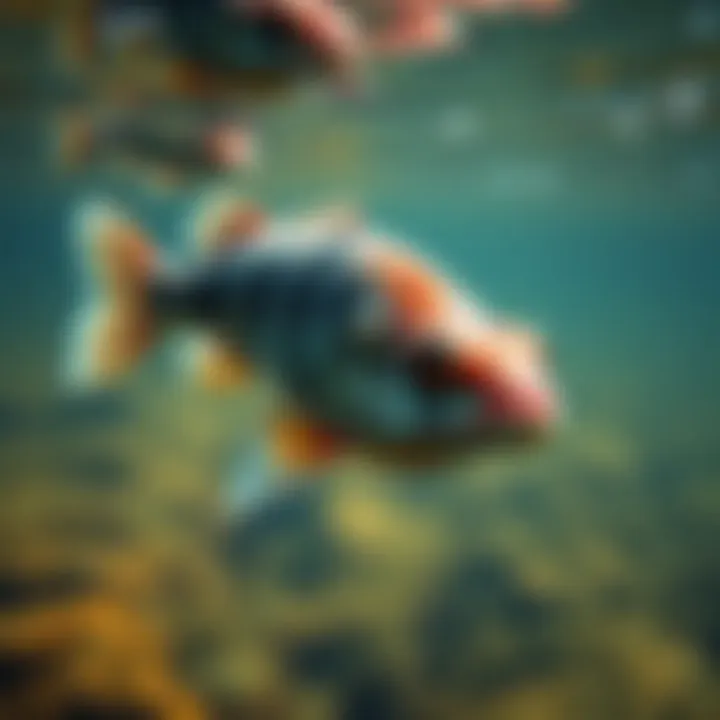
An endangered species is typically defined as one whose population has decreased to a point where its survival is jeopardized. In the context of aquatic life, this can include well-known fish like the Atlantic salmon or the more obscure species such as certain types of newts found only in localized regions. Understanding the criteria used to classify these species gives insight into how conservation efforts are prioritized and executed.
Categories of Endangerment
In the world of conservation, classifications help organize the urgency of protection needed for different species. This is particularly relevant in the realm of aquatic life where distinguishing each category allows for targeted actions for their conservation.
Critically Endangered
Species categorized as critically endangered are those facing an extremely high risk of extinction in the wild. Typically, this classification includes species that have seen a dramatic decline in population—often by 80% or more over three generations. For instance, the Javan rhino exists in a confined habitat, making its numbers perilously low.
The reason critically endangered species are of significant interest for this article is their role as indicators of ecosystem health. Their decline suggests broader environmental issues at play, prompting further investigation into their habitats. This can provide a unique insight into the health of entire ecosystems.
Endangered
Endangered species occupy a slightly less precarious position than critically endangered ones but are still at a significant risk of extinction. For example, the Southern Resident orca population, found in the Pacific Northwest, has dwindled over the years due to various factors including prey availability and pollution. These species, often high in the food chain, help maintain the ecological balance and characterize healthy environments.
Highlighting endangered species is vital as their survival reflects the condition of their habitats. Efforts to conserve them can lead to the recovery of other species sharing the same ecosystem.
Vulnerable
Vulnerable species are those that, while not in immediate danger of extinction, face threats that could impact their population and make them endangered in the near future. An example of a vulnerable species is the American eel. The unique aspect of these species is that they often have a larger genetic pool and may rebound given appropriate conservation measures.
Understanding vulnerable species is a stepping stone in conservation efforts. Protecting these species can prevent them from sliding into a more critical status, proving to be a more proactive approach for conservationists.
Importance of Aquatic Ecosystems
Aquatic ecosystems, where endangered species commonly find themselves, are not only diverse but are also fundamental for the health of the planet. They play a pivotal role in biodiversity, influence water quality, and even help regulate climate.
Biodiversity
Biodiversity in aquatic ecosystems is crucial for ecological balance. The presence of a variety of species ensures resilience against environmental stresses. Fewer species mean less genetic variability, which can lead to the susceptibility of populations to disease and habitat changes. This is why protecting aquatic biodiversity is tantamount to ensuring the survival of numerous interconnected species, including our own.
Water Quality
Water quality is deeply intertwined with the health of aquatic species. Polluted waters can devastate a community of fish and other organisms, altering the natural balance. For instance, an increase in wastewater discharge leads to algal blooms, which can create imbalances, leading to dead zones where fish and other life cannot survive. Understanding the interrelationship between water quality and aquatic species emphasizes why protecting these species must also encompass efforts to safeguard our water sources.
Climate Regulation
Aquatic ecosystems serve as critical components of climate regulation. They help absorb carbon dioxide, contributing to the regulation of the global climate. For example, mangrove forests provide a buffer against rising sea levels and storm surges. However, the degradation of these habitats naturally raises questions about their potential for climate resilience. Such connections make it clear that conservation isn’t just about protecting individual species; it’s about understanding and safeguarding the systems that function together.
The Diversity of Water Species
Understanding the variety of water species is crucial to grasping the broader implications of the declining aquatic ecosystems. Each group of water organisms, whether they reside in fresh or salt water, contributes uniquely to their environments. The diversity within these species can indicate the overall health of aquatic ecosystems. When these species thrive, it reflects a balanced and functioning habitat, which is vital for maintaining the ecological dynamics that sustain life.
In this section, we will discuss specific categories of water species: freshwater fish, marine species, and amphibians. Each class plays a significant role, influencing not just their own survival but also that of other organisms. Recognizing their importance aids in understanding the threats they face and the need for conservation efforts.
Freshwater Fish
Freshwater fish are critical components of many ecosystems, serving as indicators of water quality and ecological health. Fish such as salmon, sturgeons, and piranhas, although distinct in their habitats and behaviors, highlight crucial insights into environmental conditions and the impacts of human activity.
Salmon
Salmon are known for their remarkable life cycle, where they migrate upstream to spawn. This behavior not only supports their reproduction but also enriches the habitats they traverse. Salmon are vital prey for many predators, including bears and birds, making them an essential link in the food web. Their life cycle shows adaptability to changing environments, yet they face significant threats from overfishing and habitat degradation. While salmon are a popular choice for discussions about conservation, their iconic status carries the burden of representing broader environmental challenges in aquatic conservation.
Sturgeons
Sturgeons represent an important lineage in fish evolution. Often referred to as "living fossils," they possess unique adaptations that have allowed them to survive in various conditions. Their caviar is commercially valuable, leading to intense fishing pressure that pushes many species to the brink of extinction. The unique characteristic of sturgeons lies in their ability to grow large and live long, but this also makes their populations slow to recover. Advocacy for sturgeon conservation could highlight not just the beauty of these ancient fish but the ongoing struggle against exploitation.
Piranhas
Piranhas might conjure up images of ferocity, but they also contribute crucial ecological services. As scavengers and predators, they help maintain the balance of their ecosystems. Piranhas showcase adaptability, thriving in both slow-moving and fast-flowing waters. However, their reputation often leads to misinformation that distracts from their actual ecological role. By discussing piranhas in this context, we highlight the need for balanced perceptions of aquatic species, illustrating that even misunderstood entities play vital roles.
Marine Species
Marine species encompass a wide variety of organisms crucial to global ecosystems. Key representatives like coral reefs, sharks, and sea turtles illustrate the interconnectivity of marine life and underscore the threats they face from climate change and human activities.
Coral Reefs
Often referred to as the "rainforests of the sea," coral reefs are biodiversity hotspots that support countless marine species. They provide crucial habitats and protect coastlines from erosion. The key characteristic that sets coral reefs apart is their complex structure formed by the skeletal remains of corals, offering shelter and breeding grounds for many organisms. However, they are increasingly threatened by climate change, leading to coral bleaching and degradation. Emphasizing the plight of coral reefs is vital due to their role in marine health and coastal protection, making them essential in conservation dialogues.
Sharks
Sharks are apex predators that maintain the balance of marine ecosystems. Their ability to regulate prey populations underpins the health of oceans. A unique feature of sharks is their diverse adaptations to various aquatic environments. Ironically, despite their essential role, sharks face existential threats from overfishing and misconceptions about their nature. Highlighting their environmentally beneficial role can reshape opinions and encourage protective measures, making them prime candidates for conservation focus.
Sea Turtles
Sea turtles play a critical role in maintaining the integrity of marine ecosystems. Their grazing habits help control seagrass beds, while their migration contributes to nutrient cycling in the ocean. A noteworthy aspect of sea turtles is their long lifespans, which translates to slow reproductive rates, rendering their populations especially vulnerable to threats. The need for protection of nesting sites is paramount, as each nesting population plays a key role in the survival of these ancient mariners. Recognizing the importance of sea turtles in conservation discussions exemplifies the broader need for safeguarding marine biodiversity.
Amphibians
Amphibians like frogs, newts, and salamanders serve as critical indicators of environmental changes due to their permeable skin and complex life cycles. Their dual life in both aquatic and terrestrial habitats makes them especially sensitive to pollution and habitat loss.
Frogs
Frogs are renowned for their sensitivity to environmental changes, making them important bioindicators. Their wide range of calls and appearances fascinates wildlife enthusiasts and researchers alike. Frogs help control insect populations, thus contributing to ecosystem balance. Also, the decline of many frog species due to pollution and habitat destruction signals larger problems in ecosystems, drawing attention to the urgent need for conservation measures focused on preserving their habitats and addressing pollution issues.
Newts
Newts are not just another amphibian species; they possess the remarkable ability to regenerate lost limbs, offering researchers unique insights. They thrive in freshwater habitats and are vital for controlling invertebrate populations. Moreover, newts face similar threats as other amphibians, including habitat degradation and climate change issues. Raising awareness about conservation efforts geared towards newts could contribute to protecting diverse ecosystems.
Salamanders


Salamanders are often overlooked but play integral roles in food webs, both as predators and prey. Their moisture-dependent lives make them particularly vulnerable to environmental changes and pollution. An unique feature of salamanders is their impressive biodiversity, with numerous species found across varying ecosystems. Their plight can serve as a crucial lens for examining the health of both aquatic and terrestrial environments, elevating the discussion around the need for comprehensive conservation strategies.
In summary, the diversity of water species showcases the intricate relationships within aquatic ecosystems. By understanding each group's specific characteristics and ecological contributions, we can foster a deeper appreciation for the natural world and the urgent need to protect it. This knowledge lays the groundwork for more informed conservation efforts aimed at ensuring the survival of endangered water species.
Threats Facing Aquatic Life
The health of aquatic ecosystems is intricately linked to the various threats facing water species. Understanding these threats is pivotal, not just for conservationists, but for anyone invested in the welfare of our water environments. From habitat destruction to climate change, each issue is interconnected and contributes to the overall decline of aquatic biodiversity. It is crucial to recognize these threats because they set the stage for effective conservation strategies.
Habitat Destruction
Pollution
Pollution is one of the foremost culprits in the fight against healthy aquatic ecosystems. It encompasses a wide range of contaminants, such as plastics, chemicals, and toxins entering rivers, lakes, and oceans. These pollutants can have devastating effects on fish populations, amphibians, and other aquatic organisms. Key characteristics of pollution include its pervasive nature and often invisible presence, which makes it a pressing concern. In this article, pollution serves as a vital topic because it underscores the immediate need for regulatory frameworks and public awareness regarding waste management and environmental protection. A unique feature of pollution is its ability to accumulate in the food chain, affecting not just local species but potentially humans as well through seafood consumption.
Dams
Dams contribute significantly to habitat destruction by altering natural water flows, thus affecting migration patterns and spawning grounds for many fish species. They can create stagnant pools that promote algal blooms and deplete oxygen levels essential for aquatic life. The key characteristic of dams is their ability to control water flow for hydroelectric power and irrigation, making them a complex issue in water management. However, as beneficial as their intentions may be, dams pose disadvantages that can't be ignored, like habitat fragmentation and loss. Addressing these impacts is essential for preserving the biodiversity found in our waterways, a topic which is explored through the lens of ecosystem balance in this article.
Urbanization
Urbanization, with its concrete jungles and sprawling developments, significantly increases the stress on aquatic ecosystems. Construction projects often lead to the destruction of wetlands and shorelines that serve as critical habitats for many species. A notable aspect of urbanization is the influx of stormwater runoff, which carries pollutants into water bodies. This connection makes urbanization a pertinent subject, especially in discussions around sustainable development and environmental planning. The unique feature of this issue is its rapid tempo; as cities grow, so does their environmental footprint, thus necessitating effective policies and community involvement in preservation efforts.
Overfishing and Exploitation
Bycatch
Bycatch refers to the unintentional capture of non-target species during fishing activities. This phenomenon contributes significantly to the decline of various aquatic populations, as countless fish, sea turtles, and other creatures are discarded—often dead or dying. The key characteristic of bycatch is its indiscriminate nature, making it a critical problem faced by fisheries around the globe. In this article, the discussion around bycatch helps highlight the need for better fishing practices that minimize harm to non-target species. One unique feature of this issue is the potential for sustainable fishing practices, which can lead to healthier oceans if integrated properly.
Illegal Fishing
Illegal fishing takes place when individuals or companies bypass laws designed to protect marine resources. This activity can severely undermine conservation efforts by targeting endangered species and disrupting ecosystems. The key characteristic of illegal fishing is its clandestine nature, making it difficult to combat without international cooperation. It stands as an important focus in this article, emphasizing the necessity for stricter enforcement and monitoring practices. A unique aspect is its socio-economic implications as well, as communities reliant on traditional fishing methods often suffer when illegal operations prevail.
Aquaculture Impact
Aquaculture, while offering a solution to overfishing, can also pose significant threats to aquatic ecosystems if not managed properly. Issues like habitat conversion, water pollution from waste, and the potential escape of farmed species into wild populations create a mixed bag of consequences. The key characteristic of aquaculture is its rapid growth as a global industry, which also leads to increased scrutiny and discussions surrounding sustainability. This article benefits from exploring the duality of aquaculture's impacts, highlighting the necessity for responsible practices that protect native species and their habitats.
Climate Change
Temperature Rise
The rise in global temperatures affects aquatic species profoundly, altering migration routes, reproductive schedules, and even the distribution of various species. A primary characteristic of temperature rise is its gradual yet persistent nature, leading to a slow but damaging shift in ecosystem dynamics. This aspect makes it a crucial element of our conversation here, painting a clearer picture of how climate change influences aquatic biodiversity. A key feature to note is the increased stress placed on already vulnerable species, accentuating the need for targeted conservation efforts.
Ocean Acidification
Ocean acidification results from increased carbon dioxide absorption by seawater, leading to a more acidic environment that can dissolve coral reefs and disrupt marine life. The key characteristic of ocean acidification is its impact on calcifying organisms, like mollusks and corals, which are fundamental to marine ecosystems. This component occupies an essential position in this article by illustrating a specific consequence of climate change that directly threatens biodiversity. A feature that stands out is its long-term effect on food webs, further complicating conservation strategies.
Sea Level Rise
Sea level rise is another alarming consequence of climate change, threatening coastal habitats and the species that rely on them. With rising waters, areas that once served as nurseries for fish and other aquatic life can become submerged, leading to habitat loss. Its key characteristic is the direct relationship it has with melting ice caps and glaciers, making it immediately relevant in the current environmental discourse. The discussion surrounding sea level rise adds depth to our focus, as it emphasizes the cascading effects of climate change on vulnerable ecosystems. The unique aspect here is that it offers tangible data points, making the case for urgent action in terms of climate mitigation strategies.
Conservation Efforts
Conservation efforts play a vital role in the fight against the decline of endangered water species. Without these initiatives, the delicate balance of aquatic ecosystems would tip even further towards disaster. The efforts span legislative action, community engagement, and scientific advancements, each contributing significantly to the preservation of aquatic life. They help raise awareness, stabilize populations, and restore habitats, making them a cornerstone for the sustainability of these species.
Legislative Frameworks
Endangered Species Act
The Endangered Species Act is a robust piece of legislation in the United States designed to protect species at the brink of extinction. Its primary goal is to conserve the ecosystems that these species depend on, which indirectly safeguards countless other organisms within the same habitat. A key characteristic of the Act is that it allows for the designation of critical habitats, ensuring that vital areas for survival are preserved. This legislative framework is considered beneficial because it provides a structured approach to conservation, evaluating the populations and recovery efforts systematically. However, some might argue its disadvantages lie in the relatively slow pace of the protection process, which can leave species vulnerable in the interim.
Marine Protected Areas
Marine Protected Areas serve as sanctuaries for aquatic species, limiting human activity in designated locations to aid in the recovery of dwindling populations. One of the main aspects of these areas is the protection from overfishing, which has historically led many species to the edge of extinction. By regulating activities within these zones, Marine Protected Areas can enhance biodiversity, allowing ecosystems to thrive. The unique feature of these areas is their ability to serve as a refuge for endangered species. However, the challenge lies in enforcing protections effectively and ensuring compliance, which can vary significantly from one region to another.
International Agreements
International agreements, such as the Convention on Biological Diversity, unite countries in the shared goal of preserving aquatic ecosystems. These agreements facilitate cooperation on a global scale, recognizing that many species cross international borders. A key characteristic of such agreements is their comprehensive nature, encompassing various strategies from habitat preservation to sustainable fishing practices. They are beneficial as they promote mutual understanding and commitment across nations, yet they may face challenges in implementation due to differing national priorities or resource limitations.
Community-Based Initiatives
Local Conservation Groups
Local conservation groups are grassroots organizations that rally individuals to take action in their communities. Their specific role is to address conservation needs at the local level, often providing tailored solutions that national programs might overlook. A key characteristic of these groups is their ability to engage directly with community members, fostering a sense of ownership and responsibility towards protecting water species. They are favored for their flexibility and adaptability, as they can respond quickly to emerging threats. However, the challenge for these groups often lies in securing consistent funding and support to sustain their initiatives.
Public Engagement
Public engagement is the cornerstone of any successful conservation effort. It involves educating communities about the importance of protecting endangered species, thus building a collective movement toward environmental stewardship. A key aspect of public engagement is its capability to inspire action through awareness and mobilization. This has been particularly effective in recent years as social media platforms amplify conservation messages. Still, there are concerns that engagement can be superficial, relying heavily on likes and shares without translating to tangible action.
Education Programs
Education programs serve as vital tools in instilling awareness about endangered aquatic species. They can take various forms, from school curricula to community workshops, focusing on the significance of these creatures and the threats they face. A defining feature of such programs is their aim to foster long-term shifts in perceptions and behaviors towards nature conservation. These programs are constructive choices because they can reach the younger generation effectively and promote a culture of stewardship. However, challenges can arise in ensuring that the information provided is accurate and engaging enough to make a lasting impact.
Scientific Research and Monitoring
Population Studies
Population studies are crucial for understanding the dynamics of endangered water species. These studies focus on counting and tracking individuals in their natural habitats, providing data on population trends and health. A key characteristic of population studies is that they help to assess the success of current conservation efforts and adapt strategies accordingly. This approach is beneficial as it equips researchers with critical knowledge needed to make informed decisions. However, such studies can be resource-intensive and may require extensive collaboration among various stakeholders to be effective.
Ecological Research
Ecological research dives deep into the interactions within aquatic ecosystems and how they affect the survival of endangered species. This type of research provides invaluable insights into the roles these species play within their habitats. A noteworthy aspect is focusing on the broader picture, which helps to inform effective regulatory measures. It's a beneficial endeavor because it aids in developing targeted conservation strategies that encompass both species and their ecosystems. On the downside, the complexity of ecological research can often lead to delays in applying findings practically.
Technological Innovations
Technological innovations are changing the game in conservation efforts, offering new tools and resources to monitor and protect endangered species. From satellite tracking to environmental DNA analysis, these technologies improve efficiency and accuracy in data collection and analysis. A notable feature is the use of drones to survey habitats, allowing for broader coverage without disturbing wildlife. This advancement is particularly beneficial as it can provide real-time information that helps in immediate decision-making. Nevertheless, reliance on technology can come with risks, such as data privacy concerns and the need for technical expertise that may not be widely available.
Case Studies of Successful Conservation
When delving into the complexities surrounding endangered water species, it’s imperative to highlight the successes in conservation efforts. Case studies provide tangible evidence that proactive measures can truly make a difference. These narratives serve not only to inform but also to inspire. They exemplify how targeted strategies buttressed by community engagement can yield lasting impacts for vulnerable aquatic populations. Ultimately, these success stories enhance our understanding of what is achievable and offer templates for future conservation efforts.
The American Paddlefish
The American Paddlefish stands as a beacon of hope in the landscape of aquatic conservation. Once teetering on the brink of extinction due to overfishing and habitat loss, concerted conservation efforts have begun to turn the tide. The Paddlefish, with its unique, elongated rostrum, holds an essential ecological role, navigating freshwater rivers and balancing the aquatic ecosystem. The restoration projects centered on the Paddlefish have included habitat rehabilitation work in the Mississippi River watershed, where community groups and local governments have come together to restore riverbanks and prevent pollution.
Key Elements of Success:
- Public Engagement: Local fishing communities took initiatives in spreading awareness, thus changing perceptions about Paddlefish.
- Legislative Support: The introduction of regulations on fishing limits significantly aided their recovery.
- Scientific Monitoring: Ongoing research and population studies tracking the Paddlefish numbers helped conservationists adjust their strategies accordingly.
These efforts illustrate that collaboration across different sectors can lead to the revival of a species on the brink of disappearance.
Coral Restoration Projects
Corals, the architects of marine ecosystems, are facing dire threats due to climate change and pollution. Coral reefs provide habitat to over 25% of all marine species and play a vital role in coastal protection. However, what's important to note is how innovative coral restoration projects have emerged as powerful tools for recovery. In regions like the Caribbean, researchers have initiated coral nurseries that cultivate resilient species, which are then planted back into decimated reef areas.
Benefits of Coral Restoration:
- Enhancing Biodiversity: Healthy reefs attract various marine species, thus reinstating ecological balance.
- Employment Opportunities: Local communities are involved in these projects, leading to sustainable economic benefits.
- Education and Awareness: These initiatives serve as platforms for educating the public about marine conservation, fostering a sense of stewardship for ocean health.
"The environmental gains from coral restoration are not solely ecological; they also encapsulate cultural and economic opportunities for local communities."
The California Condor
Although not strictly a water species, the California Condor offers crucial lessons applicable to aquatic conservation. In the early 1980s, this magnificent bird was nearly extinct, with only 27 individuals remaining. The intensive conservation efforts that followed, known as the California Condor Recovery Program, involved breeding in captivity and subsequent reintroductions into the wild. This endeavor demonstrated remarkable success, with the population gradually increasing over the years.
Considerations:
- Captive Breeding: Allows conservationists to manage genetic diversity and boost population numbers.
- Monitoring and Tracking: Radio telemetry and GPS technology assist in understanding the bird’s migratory patterns and survival rates.
- Community Involvement: Engaging local communities for habitat protection and education proved essential in fostering a conservation culture.
The recovery of the California Condor stands as a testament to what persistent efforts, combined with public engagement, can achieve in reviving a species that once faced complete annihilation.
The Role of Public Awareness
Public awareness plays a crucial role in the conservation of endangered water species. By elevating the topic into the public consciousness, we create a collective sense of responsibility and urgency. Knowledge about the plight of these species not only informs individuals but also inspires actions that can lead to meaningful change.
Awareness bolsters conservation efforts by encouraging community involvement and governmental action. When people are educated about the threats that aquatic life faces, they are more likely to support initiatives aimed at preserving these species. This includes everything from petitions and donations to participating in local cleanup efforts. Increased awareness can generally lead to a rise in advocacy groups focused on specific species or issues, resulting in a united front marching toward common goals.
Efforts to raise public consciousness often come in many forms, each with its own strengths. The subsequent sections will delve into how social media, educational campaigns, and the arts contribute to this narrative.
Social Media and Advocacy
Using social media as a platform for advocacy opens doors that were previously closed. Facebook, Twitter, and Instagram enable rapid dissemination of information about endangered species. Organizations like the Nature Conservancy leverage these platforms to raise awareness and mobilize supporters.
For example, shareable images and videos depicting the struggles of endangered species can evoke emotional responses, leading to awareness that resonates with a broader audience. A single compelling story about a struggling sea turtle can garner thousands of shares, amplifying its reach and impact.
Social media also joins people together, creating global movements. Hashtags encourage user interaction and often turn into digital campaigns; #SaveTheOceans and #ProtectOurWildlife are just a couple examples. These trends motivate people not just to advocate, but also to contribute funds to relevant causes. The data shows that users are more inclined to support initiatives when they feel part of a larger community actively engaged in making a difference.
Educational Campaigns
Educational campaigns serve as vital tools for changing perceptions and behaviors around water conservation. Schools, NGOs, and local governments can collaborate to develop engaging programs that educate people about the ecosystems and inhabitants facing threats. For instance, programs in schools may include field trips to local rivers or oceans where students can witness firsthand the beauty and fragility of these environments.
Moreover, hands-on workshops on recycling, pollution, and protecting local waterways elevate simple knowledge to actionable insights. By transforming theoretical concepts into practical measures, educational campaigns create a generation that recognizes the value of water species and actively seeks to protect them. Building awareness through education often yields long-term results, as informed citizens tend to pass that knowledge onto others.
The Impact of Art and Media
Art and media express the struggles of endangered species in ways that statistics cannot. Documentaries showcasing the beauty of coral reefs or the battles of migratory fish can touch hearts profoundly. Programs like "Our Planet" or the iconic "Blue Planet" have introduced millions to aquatic wonders while also revealing the terrors they face.
Visual artists, musicians, and writers often contribute by crafting pieces that reflect the narratives of endangered species. For example, a compelling painting of a dying coral reef can spur conversations and provoke thought, making the issue more accessible to those who may not otherwise engage with conservation topics. Similarly, campaigns that incorporate impactful visuals or moving stories grab attention and motivate viewers to take action.
"Art can change the world, one piece at a time, shedding light on matters that might otherwise fade into the background."
Looking Forward: The Future of Endangered Water Species
As we dive into the future of endangered water species, it’s essential to spotlight the multi-faceted nature of this issue. It’s not merely about acknowledging the current threats and loss but also about projecting what may lie ahead. By understanding potential challenges and technological advancements, we lay groundwork for effective conservation methods that can truly make a difference.
Emerging Threats
The landscape for endangered water species is continually shifting, often for the worse. We must consider introducing threats that go beyond traditional habitat loss or direct human exploitation. Here are a few key factors to keep an eye on:
- Plastic Pollution: The prevalence of plastics in our oceans and waterways is staggering. Microplastics, in particular, pose a grave risk to aquatic life, entering the food chain and wreaking havoc on delicate ecosystems.
- Invasive Species: The unintentional introduction of foreign species can disrupt local populations and alter habitat dynamics. For instance, the presence of lionfish in the Caribbean has led to a significant decline in native fish populations.
- Acidification: Climate change is causing ocean waters to become more acidic, adversely affecting organisms like corals and shellfish, whose survival is key to stone ecosystems.
“The future of our oceans lies in the delicate balance between human activity and the natural world. If we don't rethink our footpring, future generations may not witness the vibrant life that fills our waters today.”
Advancements in Conservation Techniques
While the threats are daunting, technology and innovative approaches can shine as beacons of hope. Conservationists are becoming increasingly adept at addressing these ongoing challenges through:
- Genetic Research: There’s growing interest in using genetic modification to aid endangered species, like coral reefs, to adapt to changing climates.
- Remote Sensing: Technological advancements in satellite imagery and drone technology allow for more precise monitoring of aquatic habitats. This enables scientists to track changes in real-time and respond swiftly to threats.
- Community Involvement: Engaging local communities in conservation efforts has proven effective. People on the ground often hold invaluable knowledge and can contribute toward better management of local ecosystems.
Call to Action for Individuals
Conservation isn’t just a pursuit for scientists and policymakers; every little bit helps, and individuals play a significant role in the future of aquatic life. Here are steps individuals can take to assist in water conservation:
- Reduce Plastic Use: Opt for reusable bags and containers. Each small change can collectively lead to monumental savings for marine habitats.
- Support Sustainable Practices: Choose seafood that is sustainably sourced and support companies that prioritize ethical practices.
- Educate Yourself and Others: Awareness is key. Engaging with groups on social media or local campaigns can help raise awareness and spread knowledge about endangered species and their stressors.
- Volunteer: Whether it’s a beach clean-up or a citizen scientist initiative, get involved with local conservation efforts. It creates connections and fosters a sense of shared responsibility.
In summary, the future of endangered water species hinges on our actions today. Awareness of emerging threats, leveraging advancements in science, and proactive individual engagement create a multifaceted approach that enhances the chances for these species' survival. Each contribution matters, and it's high time we rallied together to ensure aquatic ecosystems continue thriving for generations to come.
For more information on species conservation efforts, you may check out National Oceanic and Atmospheric Administration and World Wildlife Fund.