Exploring Aquariums on the East Coast: A Complete Guide
Animal Species Profile
Intro to the animal species
Aquariums along the East Coast play host to a diverse array of marine life that captivates visitors and sparks curiosity about the underwater world. From vibrant coral reefs to dark ocean depths, these aquatic exhibits showcase a variety of animal species, each with its own unique traits and adaptations. Understanding these animals is key to appreciating their complexity and the ecosystems they inhabit. This profile aims to highlight some prominent species that make their homes in East Coast aquariums.
Physical characteristics and appearance
Take the clownfish, for instance. Its bright orange hue, adorned with striking white bands, makes it easily recognizable. This colorful fish, belonging to the family Pomacentridae, often resides in anemones. Another notable example is the jellyfish, particularly the moon jelly, with its translucent body floating gracefully through the water. The unique morphology of species may vary widely, reflecting the diverse niches they occupy.
Natural habitat and distribution
Many species found in East Coast aquariums are natively from the Atlantic Ocean. For example, the Atlantic sturgeon inhabits brackish waters and rivers along the coast. This ancient fish can be found from the Gulf of Saint Lawrence down to Florida. Other inhabitants, like the sand tiger shark, prefer the sandy bottom habitats typical of nearshore environments.
Behavior and social interactions
Behavior varies greatly among species; a striking example is the social structure exhibited by seahorses. These fascinating creatures are known for their unique mating rituals, wherein males carry fertilized eggs in protective pouches. On the other end of the spectrum, solitary animals like certain species of sharks often display aggressive behavior, maintaining distances from one another except during breeding season.
"Understanding the animal species in aquariums adds depth to the visitor experience, fostering a greater appreciation for marine biodiversity."
Conservation & Wildlife Efforts
Overview of conservation status
Various animal species within East Coast aquariums face conservation challenges. Many are affected by habitat destruction, overfishing, and climate change, placing them on the endangered species list. Organizations are striving to reverse these trends through targeted campaigns.
Threats to the species
The threats to marine species are multifaceted. Pollution from coastal developments has severely impacted habitats, while illegal fishing practices further decimate populations. The warming temperatures and rising ocean acidity stemming from climate change have also created additional pressures on these vulnerable species.
Conservation initiatives and organizations
Several organizations are dedicated to conservation efforts for aquatic ecosystems, including the Ocean Conservancy and the Marine Conservation Society. These groups focus on habitat restoration, legislative advocacy, and community education to protect marine life.
Success stories and impact
Not all stories are grim. Species like the humpback whale have shown significant recovery due to stringent conservation measures. Collaborative efforts between states, NGOs, and community engagement have made strides in reestablishing their populations.
Animal Behavior & Psychology
Communication and language cues
Communication in marine animals is often subtle yet complex. For example, dolphins use clicks and whistles to convey messages. Understanding these cues provides insight into their social structure and dynamics.
Reproductive behavior and parenting
The reproductive habits of marine life can be fascinating. For example, sea turtles exhibit intriguing nesting behaviors. Females return to the beaches where they were born to lay eggs. This instinctual behavior is crucial for the continuation of their species.
Cognitive abilities and problem-solving skills
Research suggests that some marine species, such as octopuses, exhibit remarkable intelligence. They are known to solve puzzles and escape enclosures, showcasing their ability to adapt to changing situations.
Emotional intelligence and social dynamics
Social dynamics can vary widely. For example, orcas display complex social structures and familial bonds that are strikingly similar to human relationships. They teach their young, share food, and protect their pods, showcasing a deep emotional connection.
Unique Facts & Trivia
Little-known facts about the animal
Did you know that the blue whale, the largest animal on Earth, can weigh as much as 200 tons? Despite their massive size, their primary diet consists of tiny shrimp-like creatures known as krill.
Surprising behaviors or adaptations
Certain species have developed remarkable adaptations. For example, the mimic octopus can imitate other marine animals, including lionfish and flatfish, making it a master of disguise.
Fun trivia and quirky behaviors
Clownfish have a fascinating relationship with sea anemones. They provide protection while the anemones benefit from the nutrients in the clownfish's waste. It’s a classic case of mutualism at work.
Record-breaking feats or abilities
The sailfish is known for being the fastest fish in the ocean, reaching speeds of up to 68 miles per hour. Their agility makes them a formidable predator as they hunt smaller fish.
Pet Care & Tips


Choosing the right pet for your lifestyle
If you’re considering bringing a piece of the ocean into your home, it’s important to choose a species compatible with your living situation. Researching specific needs is key to successful pet ownership.
Basic care requirements and habitat setup
Different species require distinct setups. A saltwater aquarium for clownfish differs significantly from a freshwater tank for goldfish. Pay attention to filtration, aeration, and temperature.
Health and wellness tips for pet longevity
Regular monitoring of water quality and the health of your fish ensures longevity. Proper feeding and avoiding overcrowding are crucial steps in maintaining a thriving aquarium environment.
Training techniques and behavioral enrichment ideas
Certain species like betta fish can be trained for simple tricks. Training not only provides mental stimulation for the fish but also enhances the bond you share with your pet.
Preamble to East Coast Aquariums
Aquariums on the East Coast are not merely collections of aquatic life; they serve as vital hubs for education, conservation, and recreation. With miles of coastline, the eastern seaboard is home to an array of ecosystems, both freshwater and saltwater, that aquariums aim to preserve and showcase. The significance of these institutions goes beyond mere entertainment; they play a crucial role in increasing public awareness about marine environments and the dire need for their conservation.
Significance of Aquariums
Aquariums have a unique place in our society, functioning as both educational resources and centers for marine research. They can inspire awe in visitors, creating a stronger emotional connection to the aquatic world. This emotional pull can translate into advocacy for marine conservation. A well-curated aquarium can motivate individuals to take an active role in protecting marine biodiversity. Through engaging exhibits and informative programs, aquariums encourage stewardship that transcends the walls of their facilities.
Moreover, these establishments often serve as gateways for citizens to appreciate the local marine life that resides just off the coast. From the vibrant coral reefs of New England to the varied marine habitats of the Carolinas, understanding the local aquatic biodiversity is essential. Visitors, especially children, engage more deeply with educational materials when they see animals they might encounter in their own backyards.
Overview of Marine Conservation
The preservation of marine ecosystems is more crucial now than ever. In recent years, threats from pollution, overfishing, and climate change have increased urgency around conservation efforts. Aquariums, especially those along the East Coast, often spearhead significant research into these areas, frequently partnering with universities and government agencies to address environmental issues.
Through their involvement in marine conservation initiatives, aquariums also contribute to habitat restoration projects, which are vital for rehabilitating damaged ecosystems. For example, programs aimed at restoring oyster beds can help improve water quality and provide habitats for myriad species. Similarly, educational outreach efforts target a wide range of community members, raising awareness about sustainable practices and the importance of keeping marine environments healthy.
"Aquariums are more than just displays of sea life; they are critical players in the global effort to conserve our oceans and the myriad of species that call them home."
In summation, East Coast aquariums encapsulate a world of importance, fostering love for marine life while championing conservation. They serve as a bridge connecting the general public with the often unseen intricacies of ocean ecosystems, making them indispensable in the fight against ecological degradation.
Notable Aquariums on the East Coast
Aquariums on the East Coast are more than just attractions; they serve as crucial players in the battle against marine degradation, educational platforms, and centers for public engagement. Each notable aquarium presents its own story and significance in fostering awareness of marine ecosystems. They aim to inspire visitors, young and old, about the wonders that lie beneath the waves. Each aquarium plays a pivotal role in supporting local communities and promoting marine conservation, making the exploration of these aquariums vital for both education and the collective effort to protect our oceans.
New England Aquarium
Location and History
The New England Aquarium is perched on the Boston waterfront, a location that not only boosts its accessibility but also immerses visitors in a vibrant marine setting. Established in 1969, its long history showcases a dedication to education and marine exploration. What makes this aquarium a standout choice, particularly for educators and marine enthusiasts, it its close ties to local marine research. Moreover, its location is historically significant since it reflects Boston's evolution as a hub for maritime activities. Over the years, it has also become a popular destination for both tourists and locals, bridging their collective love for marine life and conservation.
Exhibits and Attractions
The exhibits at the New England Aquarium are designed to take you on a journey through diverse aquatic environments. From the mesmerizing Giant Ocean Tank, replicating a Caribbean coral reef, to penguin encounters where visitors can witness these charming creatures in their habitat, there's never a dull moment. The aquarium focuses on delivering experiences that not only entertain but also educate guests about marine biodiversity, conservation, and the importance of maintaining healthy ecosystems. This rich assortment of exhibits makes it an excellent attraction for families and school groups, ensuring that learning about marine life is both interactive and engaging.
Conservation Initiatives
At the heart of the New England Aquarium’s mission is conservation, demonstrated through initiatives aimed at preserving endangered species and rehabilitating injured marine animals. Their programs are rigorous and multifaceted, encompassing public awareness campaigns and involvement in critical habitat research. The aquarium also partners with various organizations to foster community engagement in marine conservation efforts, making it a vital player in local initiatives. These ongoing efforts highlight its commitment to ensuring that future generations can also experience the wonders of the ocean, establishing it as a pioneering institution in marine education.
Johns Hopkins Aquarium
Research Contributions
The Johns Hopkins Aquarium stands out for its significant contributions to marine research and science. With a strong affiliation with the renowned Johns Hopkins University, the aquarium acts as both an exhibition space and a research facility. This unique synergy allows for groundbreaking research on marine ecosystems and species to transpire. Here visitors can witness firsthand the innovations that stem from rigorous studies aimed at understanding fisheries, climate change, and marine health. This dual-purpose facility undoubtedly enriches public understanding while advancing scientific knowledge of ocean dynamics.
Community Engagement
Community connection is a hallmark of the Johns Hopkins Aquarium. Regular workshops, free lectures, and community-driven events highlight its commitment to fostering relationships beyond the brick and mortar of the aquarium itself. They work tirelessly to make marine science accessible, reaching out to schools and community centers to drive interest in marine conservation and science. This emphasis on engagement cultivates a sense of shared responsibility within the local community, making marine conservation relevant not just on a distant shore but right at home.
Unique Species Exhibited
Among the crown jewels of the Johns Hopkins Aquarium are its unique species, many of which are rare or exhibit unusual behaviors. The aquarium focuses on sequencing and displaying organisms that represent various ecosystems and biodiversity hotspots. From bioluminescent fish to fascinating coral species, each exhibit is carefully curated to educate visitors on the delicate balance of marine life. This unique focus not just fascinates visitors but frequently leads to discussions around the preservation of these species and their habitats, reinforcing the critical role museums play.
Aquarium of the Pacific
Design and Mission
Nestled in Long Beach, California, the Aquarium of the Pacific is renowned for its cutting-edge architectural design and mission centered on education, conservation, and research. The design maximizes the visual interaction between visitors and marine exhibits, allowing for a seamless transition from land to sea. The focus here extends beyond just showcasing marine life; it actively promotes an understanding of the challenges facing our oceans and engages visitors in partnerships for better marine stewardship. Its compelling design truly embodies its mission to inspire conservation efforts through education.
Educational Programs
This aquarium excels in tailored educational programs that cater to a wide audience. Articulating the relationship between humans and the sea, the programs often highlight the importance of sustainable practices and ocean preservation. School groups benefit immensely from workshops, hands-on learning experiences, and access to scientists. These endeavors ensure that knowledge about marine ecosystems reaches every generation. Engaging, informative, and interactive, the educational programs stand as a model for aquariums worldwide.
Visitor Experience
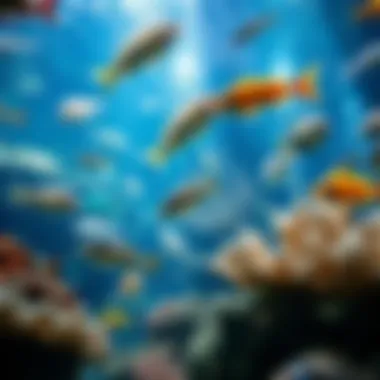
While it shines in education, the visitor experience at the Aquarium of the Pacific is nothing short of splendid. Each exhibit is meticulously designed to provide sensory-rich encounters with marine life. The options include immersive galleries, behind-the-scenes tours, and special events that engage visitors of all ages. Furthermore, the combination of stunning visuals and educational narratives greatly enhances the visitor experience, ensuring they leave with a deeper appreciation for marine life and a commitment to conservation.
North Carolina Aquarium
Regional Biodiversity
The North Carolina Aquarium’s unique situational advantage lies in its location, which encompasses diverse marine ecosystems reflective of the state’s coastal regions. This aquarium showcases a wide variety of wetland, coastal, and oceanic species, capturing the essence of North Carolina's regional biodiversity. This variety is not just educational, but also highlights the importance of preserving these distinct environments. Visitors learn not just about marine life, but the habitats that support them, fostering a more holistic view of marine conservation.
Interactive Learning Spaces
Interactive learning spaces are a hallmark of the North Carolina Aquarium, designed to provide hands-on experiences tailored to both children and adults. Here, larger-than-life touch tanks and virtual experiences promote active participation, allowing guests to engage directly with marine life while under supervision. This creates a joyful learning atmosphere, encouraging questions and deeper understanding about marine biology and ecology. The settings are not just spaces for interaction; they become starting points for broader discussions about biodiversity and conservation.
Conservation Efforts
At the forefront of the North Carolina Aquarium’s mission are its conservation efforts, which include local restoration programs, community outreach, and collaborations with conservation organizations. Their commitment to sustainability shines through activities such as beach clean-ups, species monitoring, and habitat restoration initiatives. These hands-on efforts invite visitors to contribute to local marine health, cementing a sense of community responsibility towards ocean stewardship amongst both residents and tourists.
National Aquarium in Baltimore
Sustainability Practices
Sustainability is more than a buzzword at the National Aquarium in Baltimore; it’s woven into the very fabric of its operational ethos. With an impressive commitment to environmental stewardship, the aquarium employs a variety of practices ranging from renewable energy sources to water conservation strategies. Their deliberate focus on reducing the carbon footprint underlines their dedication to protecting marine life for future generations. The sustainability practices not just enhance the aquarium’s appeal, but serve as a blueprint for others aiming to achieve similar environmental objectives.
Exhibit Diversity
A standout feature of the National Aquarium is the remarkable diversity of its exhibits. From the vibrant Amazon Rainforest to the Atlantic Coral Reef, guests are taken on an educational journey that mirrors the world's diverse habitats. The richness of its exhibits plays a significant role in attracting visitors and educating them on various marine ecosystems. This diversity serves both to entertain and inform, establishing a deeper understanding of the need for global conservation efforts and biodiversity protection.
Public Outreach Programs
Public outreach is an essential part of the National Aquarium’s mission. Through various programs, including community lectures, family events, and conservation workshops, the aquarium reaches out beyond its walls. These initiatives aim to educate the community about aquatic life and ecosystems while encouraging collective action towards marine conservation. By fostering public engagement, the aquarium reinforces the importance of its role as a community resource, nurturing informed advocates for marine life.
Through these remarkable establishments, the East Coast aquariums not only draw in visitors but also underline the significance of marine conservation and education in today’s world. They serve as beacons of knowledge, guiding us toward a better understanding of our oceans and the need to protect their myriad wonders.
Educational Value of Aquariums
Aquariums serve more than just the role of showcasing marine life; they are hotspots for education, fostering a deep understanding of aquatic ecosystems. These institutions play an essential part in connecting people—especially younger generations—to the wonders of the ocean. The educational value of aquariums lies in their ability to engage visitors in the sciences, emphasizing the importance of marine conservation and biodiversity.
By offering programs tailored for schools and communities, aquariums become focal points for learning and curiosity. The hands-on experiences available can transform a child's understanding of marine biology, making it more relatable and exciting. Aquariums not only bring the ocean to the shore but also empower visitors to advocate for the environment, which is increasingly critical in today’s world.
School Programs and Partnerships
Curriculum Integration
Curriculum integration at aquariums aims to weave marine education into the existing school subjects, creating a seamless learning journey for students. This approach allows teachers to tie their lessons on ecosystems, biology, and environmental science to what students observe firsthand during their visits. Schools can craft visits that correlate with their current curriculum, giving workshops or additional activities that extend learning beyond mere facts.
The unique feature of this integration is that it creates a memorable experience for students. Rather than just reading about marine life, they can see the vibrant colors of coral reefs or the grace of a jellyfish up close. This sensory experience can cement information more solidly in a child’s mind compared to traditional classroom settings. However, finding ways to meet educational standards while making a visit engaging can be tricky.
Field Trips and Workshops
Field trips and workshops present another dimension of learning, where students step out of their regular classroom environment into the expansive world of marine ecosystems. These outings enable students to apply their theoretical knowledge in real-world scenarios, often leading to more profound realizations about the importance of marine environments.
The highlight of such trips often comes from interactive learning experiences, such as touch tanks or behind-the-scenes tours. These activities stimulate curiosity, encouraging students to ask questions and investigate further. On the downside, organizing a field trip can be a logistical challenge, often requiring funds and planning that can limit access for some schools or communities.
Public Programs and Events
Lectures and Talks
Public programs, particularly lectures and talks, foster a culture of learning that extends to adults and families. Many aquariums host expert speakers who share insights about marine science, conservation efforts, or the latest research findings. These sessions provide an enriching opportunity for attendees to deepen their knowledge and perhaps inspire action.
One impressive characteristic of these lectures is the accessibility of knowledge from those at the forefront of marine research. Audiences can often interact, ask questions, and engage in discussions that might not happen in typical educational settings. Yet, attendance may vary depending on factors like scheduling, which sometimes limits opportunities for those eager to learn.
Special Exhibits
Special exhibits continually refresh visitor experiences and create buzz around lesser-known marine topics that deserve attention. These temporary exhibitions focus on specific themes or conservation efforts, attracting repeat visits from the public and offering insights that respect the rich biodiversity of our oceans.
The uniqueness of these exhibits often includes immersive displays and cutting-edge technology. For instance, some aquariums use augmented reality to provide visitors with a deeper understanding of the ecosystems represented. However, the ephemeral nature of special exhibits means that once they’re gone, the opportunity to learn from them is lost, making it crucial to plan visits accordingly.
Aquarium Conservation Efforts
Aquariums play a crucial role in not just education and tourism, but also in the significant area of conservation. The water-logged realms of our planet's oceans and rivers are facing unprecedented challenges due to climate change, pollution, and overfishing. Therefore, the conservation initiatives spearheaded by aquariums are vital in both preserving marine biodiversity and fostering a deeper appreciation among the public for these critical ecosystems. Through their research and outreach, aquariums not only safeguard species but also engage communities, bringing to light the importance of caring for our blue planet.
Research Initiatives
Marine Species Studies
Marine species studies delve into the world beneath the waves. They aim to understand the behaviors, needs, and interactions of various aquatic life forms. These studies often focus on species that are endangered or vulnerable. By investigating their life cycles, breeding patterns, and habitat requirements, aquarists can document trends and fluctuations that inform conservation strategies.


One key characteristic of these studies is their emphasis on field research; not everything can be done from behind a glass tank. Field research examines organisms in their natural habitat, which makes the data more applicable and accurate.
Additionally, unique features of marine species studies highlight collaborative efforts with universities and governmental agencies. Such partnerships enhance data collection and broaden the reach of conservation initiatives. However, these studies can sometimes be limited by funding and access to specific habitats, which restricts what researchers can achieve.
Habitat Restoration Projects
Habitat restoration projects aim to rehabilitate ecosystems that have been degraded or destroyed. The goal here is to bring back the natural conditions that support marine life, thus encouraging biodiversity. One prominent example can be found in coral reef restoration projects, where aquariums engage in planting coral fragments to assist the recovery of these crucial habitats.
The primary strength of these projects lies in the community involvement they foster. Local volunteers often partake, which builds awareness and a sense of ownership over the environment, creating a broader base of conservation-minded citizens. A unique aspect of habitat restoration work is the multi-faceted approach involved; it often includes replanting, community education, and sometimes even legislation advocacy to protect those environments in the long run.
Nonetheless, challenges exist. Restoration efforts can take years before progress is visible, and they require sustained funding and commitment from all stakeholders. Patience, commitment, and community support are essential for success.
Breeding Programs
Breeding programs focus on ensuring the survival of species whose populations are dwindling in the wild. These initiatives help maintain gene pools, allowing aquariums to contribute uniquely to wildlife conservation efforts.
Endangered Species Conservation
Endangered species conservation as part of breeding programs helps manage populations of species facing extinction. By breeding species in controlled environments, aquariums can potentially reintroduce these animals back into their natural habitats. This effort not only sustains the species but also supports ecological balance.
The key feature of this approach is genetic monitoring, which provides insight into the health of the breeding populations. Keeping track of genetic diversity is essential to prevent inbreeding and ensure resilience among the species. Such programs demonstrate how controlled environments can effectively bolster nature’s populations.
A point of concern can be the challenges associated with reintroducing species into the wild, as environmental factors must be favorable for these animals to thrive once released.
Genetic Diversity Maintenance
Genetic diversity maintenance in breeding programs is paramount to species survival. With a solid focus on preserving the genetic variability among animal populations, these efforts help ensure adaptability to changing environments and diseases. Each breeding decision is often guided by genetics to maintain a healthy population for future generations.
The primary strength of this aspect lies in the long-term sustainability of species. By carefully managing genetic information, aquariums can maintain robust populations that will adapt and survive.
However, this approach can prove complex. Genetic data must be analyzed continuously, as population dynamics change. Additionally, maintaining genetic diversity often requires a broader collaboration across different aquariums and conservation organizations. Without solid networks, the success of these efforts may be compromised.
"Conservation isn't just about protection; it's about understanding and reshaping how we interact with our ecosystems."
In summary, aquarium conservation efforts encapsulate a diverse array of strategies focusing on research, restoration, and education. The tangible benefits extend far beyond the walls of aquariums, promoting a more sustainable future for marine life and humanity alike. For more information about conservation practices, you can check resources such as NOAA, WDC and WWF.
Visitor Experience and Amenities
The visitor experience in aquariums holds great significance in fostering a connection between individuals and marine life. When people step into an aquarium, they are not just spectators; they are embarking on a journey into a world filled with diverse species, vibrant colors, and intricate ecosystems. Amenities play a crucial role in enhancing this experience, ensuring that guests feel comfortable, informed, and engaged throughout their visit. From the moment they arrive, each aspect should facilitate learning, enjoyment, and, ideally, a lasting impact that encourages advocacy for marine conservation.
Admission and Hours
Understanding admission policies and hours of operation is vital for an enjoyable visit. Most aquariums have various ticket options, ranging from general admission to special behind-the-scenes tours. Pricing can vary widely based on season, with discounts often available for students and seniors. Familiarity with the hours of operation is also crucial; many aquariums choose to extend their hours during peak tourist seasons or on weekends to accommodate increased traffic. Researching ahead of time can spare visitors from disappointment at finding a location closed on a day they expected to explore.
Facilities and Services
Gift Shops
The gift shops found within aquariums are more than mere retail spaces; they serve as an extension of the aquarium experience itself. Here, visitors can purchase souvenirs that resonate with the aquatic world they’ve just explored. The offerings often feature educational toys, apparel celebrating marine conservation, and artisanal crafts that reflect local culture. What sets these gift shops apart is their contribution to conservation efforts—the proceeds from sales frequently go towards funding initiatives aimed at protecting marine ecosystems. This makes it easy for visitors to leave with a tangible reminder of their trip while also supporting a good cause. However, navigating through various choices might be overwhelming at times, leading to impulsive buys, which can sometimes overshadow the value behind the products.
Cafes and Restaurants
Dining facilities in aquariums blend convenience and culinary delight. Often featuring menus inspired by marine themes, these cafes and restaurants provide nourishment to tired explorers without needing to leave the premises. They not only cater to different dietary preferences—whether vegetarian, vegan, or gluten-free—but they also reflect the local culinary scene, offering dishes made from sustainable ingredients when possible. A unique feature of these eateries is the opportunity to enjoy meals while observing aquatic life, a setting that can provide a tranquil interlude during a busy day. Nevertheless, dining experiences can vary; some visitors might find options limited, and prices may be on the higher end compared to local eateries, which could make budgeting a little trickier.
Accessibility Features
An aquarium's commitment to accessibility can greatly enhance the experience for all visitors. Many establishments implement features such as ramps, sensory-friendly spaces, and audio guides tailored for those with disabilities. For families visiting with strollers or elderly members, accessible pathways can make navigation much easier. Furthermore, some aquariums organize special days with programs designed for individuals with sensory sensitivities, showcasing their dedication to inclusivity. Attention to these elements demonstrates a sincere understanding of the diverse needs of the community, allowing everyone to appreciate the beauty of marine life.
"An aquarium isn't just a place. It's a journey into the watery realms, an adventure where learning intersects with enjoyment."
The End and Future Directions
The exploration of aquariums along the East Coast brings to light not just their visual allure but also their vital role in nurtuing education and marine conservation. As we wrap up this guide, it's clear that aquariums serve as critical touchstones for understanding complex ecosystems and fostering a sense of stewardship among the public. The future of these institutions relies heavily on collaboration between educators, researchers, and the community.
Emphasizing Education and Awareness
Aquariums aren't merely places to gawk at marine life; they are educational sanctuaries that empower guests to engage with the wonders of the sea. They highlight the crucial link between human actions and environmental health. Educational programs, whether they're geared towards eager young minds or seasoned adults, serve as platforms for raising awareness about climate change, marine biodiversity, and conservation efforts.
Many aquariums form partnerships with local schools, allowing students to participate in hands-on experiences that deepen their understanding of marine ecosystems. Field trips, workshops, and interactive exhibits are tailored to increase engagement and spark curiosity among students. Such initiatives not only enrich educational experiences but also plant the seeds for the next generation of marine biologists and conservationists.
"Education is the most powerful weapon which you can use to change the world." – Nelson Mandela
These words resonate in the mission of many aquariums. They are not just displaying ocean wonders; they also aim to arm visitors with knowledge to influence how they interact with the marine environment. The more people know, the more they care, and the more change can happen at both the local and global levels.
Advancements in Conservation Technology
As technology progresses, so too must the approaches that aquariums take to enhance their conservation efforts. Innovations in technologies like virtual reality (VR) and augmented reality (AR) enable aquariums to present immersive experiences that effectively convey the urgent need for marine protection. These tools offer vivid simulations that demonstrate the impact of overfishing, pollution, and habitat destruction.
Additionally, advancements in genetic research, such as CRISPR technology, are already being utilized in various conservation projects. This allows scientists to engage in breeding programs with a new level of precision, targeting genetic diversity to ensure the long-term survival of endangered species.
Monitoring technologies, including remote sensing and underwater drones, also play a pivotal role. These tools enable aquariums to gather real-time data about marine health and behavior. The combination of these technologies not only aids in conservation efforts but significantly strengthens the educational narrative for visitors, showcasing practical applications of science in real-time.
To conclude, the future of aquariums on the East Coast is intertwined with their ability to adapt to technological shifts and the pressing needs of marine conservation. As these institutions continue to evolve, so too will their impact on education and awareness, forging a meaningful path forward in the quest to protect our oceans and all who inhabit them.